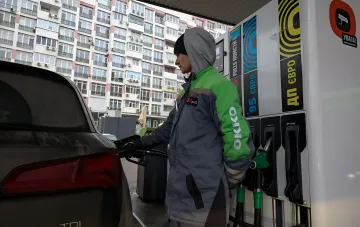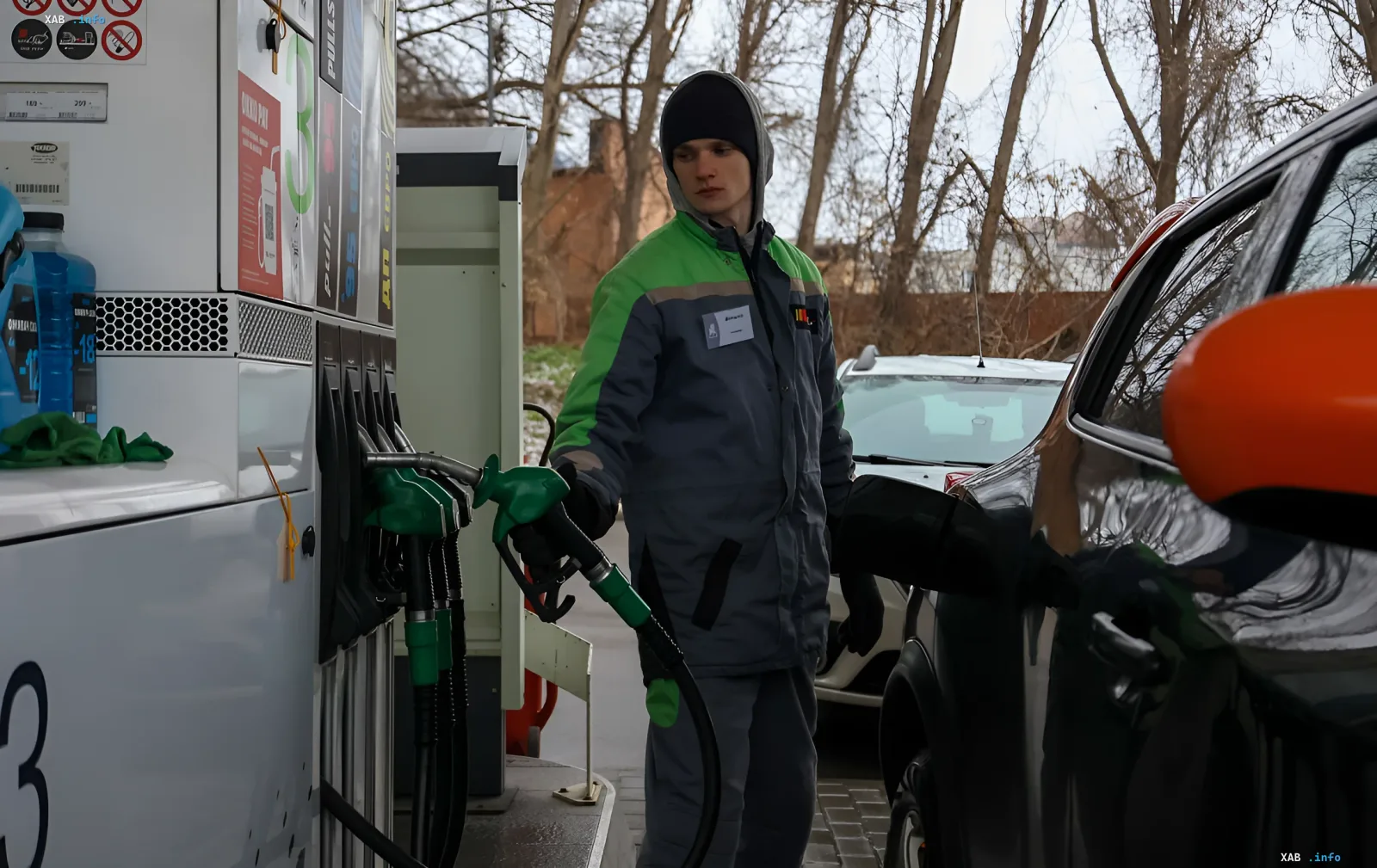
The Ukrainian filling station market continues to show noticeable fuel price dynamics as of October 9, 2026. While major players maintain stability in the petrol and diesel segments, the automotive gas market continues to demonstrate steady growth. Experts note divergent trends: while some networks raise the cost of liquefied gas to record highs, others selectively adjust petrol price tags.
Auto Gas Price Increase: New Maximums at Filling Stations
The LPG (auto gas) segment continues to become more expensive under market pressures. Specifically, leading premium networks OKKO and SOCAR synchronously increased gas prices by 1 hryvnia, bringing it to 47.90 UAH/l. Even higher figures were recorded at the WOG network, which also added 1 hryvnia to its price, establishing an absolute market maximum at 48.90 UAH/l. Meanwhile, budget operators and discounters took a restraining stance: Ukrnafta and UPG left gas prices unchanged at 43.40 UAH/l and 44.90 UAH/l, respectively, creating a significant price gap with the premium segment.
Selective Price Reductions and Premium Segment Stability
Alongside rising gas prices, local price drops are also occurring. The state-owned and largest station network, Ukrnafta, updated its price list for A-95 Energy petrol, reducing its cost immediately by 3 hryvnias down to 88.90 UAH/l. Thus, the price of advanced fuel equaled the cost of standard A-95 petrol in the same network. As for other major operators (OKKO, WOG, SOCAR), they decided to maintain stability: premium petrol grades, including the 100 series, are held within the range of 102.90–104.00 UAH/l.
Contradictory Data
Analyzing the current market situation based on operational data for the first decade of October 2026, certain discrepancies are observed in the pace of price adjustments between large nationwide networks and regional discounters. While official reports from leading monitoring agencies record a jump in auto gas costs to nearly 49 hryvnias per liter at premium locations, some independent regional gas stations maintain old price tags or run hidden promotions. Experts attribute this to the unevenness of liquefied gas supply logistics chains from Europe and varying depths of commercial inventories among major players compared to small operators.
Economic Consequences and Expert Forecasts
The current pricing situation at Ukrainian gas stations directly affects business logistics costs and car owners' expenses. The rise in auto gas prices forces drivers to reconsider routes and look for more affordable discount networks, though a substantial difference in service quality and fuel origin keeps brand loyalty for premium operators. Further developments in the fuel market will depend on the stability of import supplies, global oil price dynamics, and the national currency exchange rate, which are closely monitored by market participants and financial regulators.