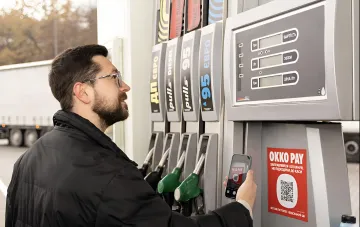
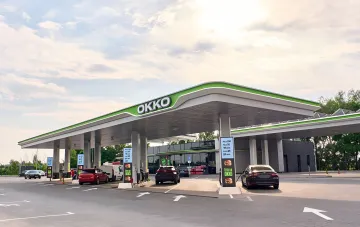
For the fourth day in a row, fuel prices at Ukrainian gas stations have remained unchanged. According to RBK-Ukraine monitoring data, the cost of gasoline, diesel fuel, and liquefied gas at the largest network gas stations — OKKO, WOG, SOCAR, and Ukrnafta — has not changed compared to previous days. This period of price stability covers September 21–24, 2026, which is a fairly long pause in the series of regular adjustments characteristic of the Ukrainian fuel market under current conditions.
A 300-hryvnia gap on a single tank
The key indicator of the current price landscape remains the significant difference between the most affordable and the most expensive offers on the market. The difference in the cost of filling a full tank of gasoline between Ukrnafta (the cheapest operator) and SOCAR (the most expensive) is exactly 300 hryvnias. For diesel fuel, the gap is even more pronounced: between Ukrnafta's basic offer and SOCAR's premium diesel, it reaches 305 hryvnias at the top price point. Thus, choosing a specific gas station network can save a driver up to three hundred hryvnias per fill-up, or conversely, add that much to the cost.
Diesel: the premium segment is getting more expensive relative to the basic one
Particular attention should be paid to the dynamics in the diesel fuel segment. If the gap between operators for gasoline has stabilized at 300 hryvnias, then for diesel it exceeds this figure, reaching 305 hryvnias at the upper end of the price range. This indicates that premium diesel grades at SOCAR maintain a higher markup compared to the basic offers of state and semi-state networks. For owners of diesel vehicles, especially commercial transport, the choice of gas station becomes a significant factor in operating costs.
Context: why prices have "frozen"
Four-day price stability amid ongoing market turbulence may point to several factors: a seasonal slowdown in demand, the stabilization of wholesale quotes on international markets, or a deliberate policy by major networks to hold retail prices steady ahead of possible changes. None of the operators has announced planned adjustments for the coming days, which allows drivers to expect current prices to remain in place at least in the short term.
What this means for the driver
The practical takeaway for car owners is simple: with a difference of 300–305 hryvnias per full tank, regular refueling at a more expensive network could add anywhere from 1,200 to 1,800 hryvnias or more to monthly fuel expenses, depending on tank size and trip frequency. In conditions where price changes have been suspended, the optimal strategy is to lock in current prices and, if necessary, stock up, rather than waiting for a further price drop, which has not been announced by any of the major operators at this time.