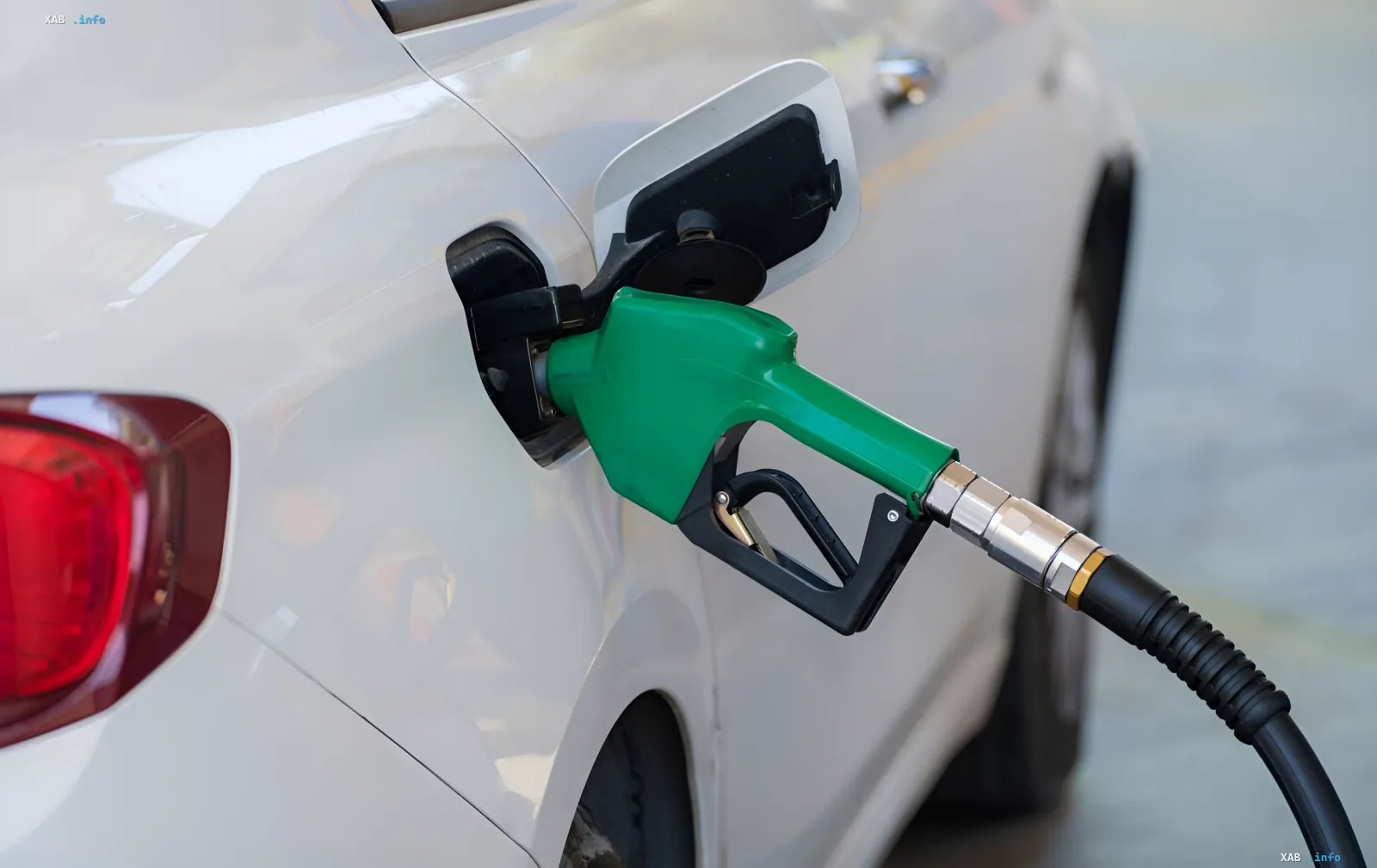
The Ukrainian fuel market is experiencing a period of sharp instability. Starting Monday, July 20, a wave of mass increases in retail fuel prices began across the country. Drivers and experts are noting unprecedented activity among gas station networks, which started changing price tags immediately after the weekend, raising fuel costs by 1–3 hryvnias per liter.
Forecast: Gasoline at 83 Hryvnias
According to experts, the situation at gas stations is only in its initial stages. Serhiy Kuyun, Director of the Consulting Group «A-95», whose forecasts are cited in the media, warns of the imminent reaching of new price highs. According to his calculations, based on current wholesale quotes, the cost of A-95 gasoline will rise to at least 83 UAH/l in the near future. Diesel fuel will become even more noticeably expensive — up to 86 UAH/l.
The expert emphasizes that further fluctuations in the external market may adjust these figures, but exclusively in the direction of an increase. A cooling of prices is not foreseeable in the near future.
Global Causes of a Local Crisis
The sharp spike in prices in Ukraine is not an isolated event but a direct consequence of escalating geopolitical tensions and problems in the global energy market. The key factors that provoked the situation include:
- A new escalation of the conflict surrounding Iran and the threat of a blockade of the Strait of Hormuz.
- The halt of diesel fuel exports from Russia.
- The depletion of global oil and petroleum product reserves, which have not had time to recover after the spring season.
As a result, Ukrainian companies have faced fierce competition when purchasing resources in Europe. Serhiy Kuyun cites a vivid example of the shortage: a massive tanker carrying 100,000 tons of Middle Eastern diesel, which was supposed to arrive at the Romanian port of Constanța, was intercepted by competitors. A buyer offered a higher price, the tanker changed course, and preliminary orders for Ukraine were canceled.
Logistical Problems and the Transition to E10
Additional pressure on the market is being exerted by internal regulatory decisions. The transition to the mandatory use of gasoline with added bioethanol (E10) has caused serious logistical difficulties. Manufacturers found it problematic to produce the necessary volume of new fuel within a short timeframe.
This has led to «zeros» appearing on the boards at individual gas stations opposite the A-95 gasoline positions. The expert critically assesses the implementation of such reforms precisely at the peak of the summer-autumn seasonal consumption, noting that this exacerbates an already crisis situation.
More Difficult Than in Spring
Specialists warn that the current crisis may turn out to be more difficult than the spring one. The factor of seasonality is working against consumers: in the next two months, the peak of fuel consumption arrives, when demand is traditionally high. At the same time, global reserves are depleted, and gas station operators were only able to keep retail prices at previous levels due to their own warehouse stocks, which were practically exhausted by mid-July.
The wave of price hikes intensified as early as Saturday, when some operators changed price tags twice a day. Now, when stocks have run out and global prices continue to rise since July 7, Ukrainian drivers have to prepare for life with new, significantly higher tariffs at gas stations.