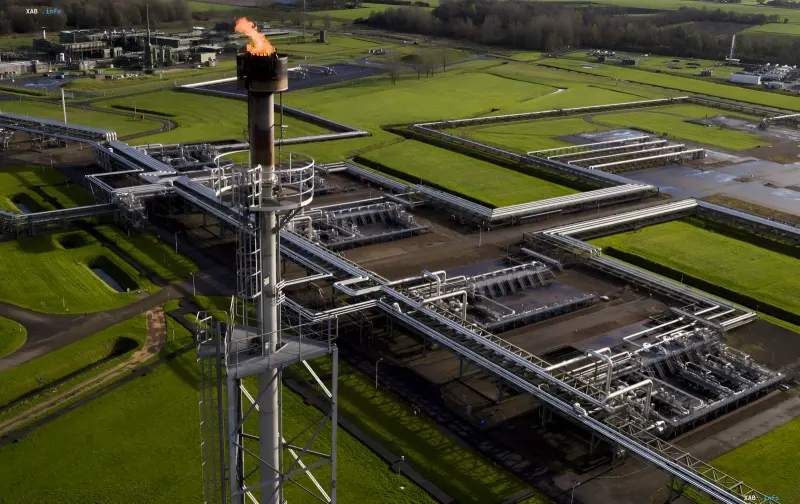
The European gas market is facing a serious challenge: the continent is unlikely to reach the target storage fill rate of 80% by the start of the heating season. This was warned by Anders Opedal, CEO of Equinor, the largest supplier of natural gas.
Alarming figures and market vulnerability
The situation with stockpiling reserves looks tense. At present, the storage fill level stands at only 54%. Experts note that low reserve levels make Europe significantly more vulnerable to sharp fluctuations in market prices this winter compared to previous years.
According to Opedal, the main reason for the shortage lies in global competition. Tension in the global market has led to Asian buyers, offering higher prices, diverting resources that were previously intended for the Old World.
Battle for LNG: Asia vs. Europe
A key factor influencing the situation has been the redirection of liquefied natural gas (LNG) supplies. This type of fuel, transported by sea tankers, covers about 30% of Europe's imported gas needs. However, a significant portion of these supplies is now not reaching European ports.
"Gas that should come from Qatar was meant for Asia, which means that LNG that was coming to Europe earlier this year is now being directed to Asia," explained the head of Equinor. Simply put: Asian markets are buying up volumes that Europe planned to use to fill its tanks.
Import paradox: Russia and Azerbaijan
Despite political rhetoric and plans to phase out Russian gas by 2027, reality dictates its own terms. Due to the shortage in the EU, purchases from Moscow have sharply increased. According to estimates by the non-governmental organization Urgewald, the Kremlin received about €6 billion for these supplies.
At the same time, Europe is looking for alternative sources. Azerbaijan has expressed willingness to increase supply volumes to help replace Russian flows. Currently, Baku supplies about 1.5 billion cubic meters of gas per year, but the country is ready to scale these volumes if demand from the EU allows.