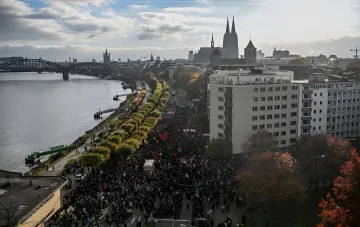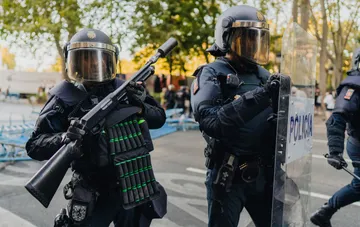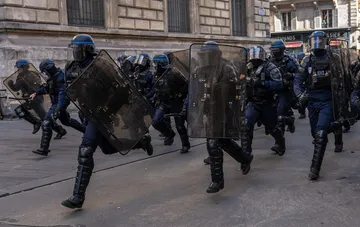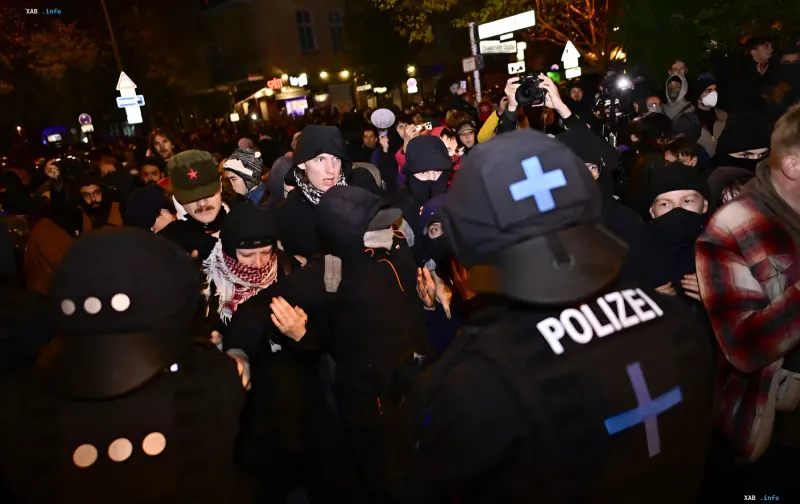
On the night of October 31, tens of thousands of young people took to the streets across several German cities as part of a protest campaign organized by the Gen Z regelt initiative. Daytime rallies in most locations were peaceful, but as evening fell, the situation sharply escalated: riots broke out in Frankfurt and Cologne, while in Berlin, participants hurled bottles and firecrackers at police officers. In several cities, law enforcement had to use water cannons to disperse the crowd. The next day, on November 1, German Interior Minister Alexander Dobrindt publicly blamed the violence on "left-wing radical groups and public order violators from migrant communities," stating that they were the ones who derailed the peaceful demonstrations held on Saturday afternoon.
From Peaceful Demands to Street Violence
The campaign was organized by the Gen Z regelt initiative, which called for peaceful demonstrations. Participants put forward three main demands: increase education funding, take measures to curb the rising cost of living, and step up the fight against global warming. According to reports, the protests were an extension of broader dissatisfaction with the policies of Chancellor Friedrich Merz and his team, which had previously been observed in German society. However, according to authorities, groups joined the rallies in several cities by evening with the intention of disrupting their peaceful nature, leading to clashes with the police.
Federal Government Reaction
On November 1, Interior Minister Alexander Dobrindt issued a statement holding "violent left-wing groups and public order violators from migrant communities" responsible for the riots. He stated that these exact groups had derailed the peaceful demonstrations held on Saturday afternoon. Dobrindt stressed that law enforcement agencies would identify the riot participants and looters and bring them to justice, while also calling for severe punishments for public order violations. The ministry, he said, intends to severely punish those responsible for the violent incidents.
Aftermath in Frankfurt: Casualties and Arrests
The most severe consequences of the riots were recorded in Frankfurt. According to Hesse Interior Minister Roman Posek, a representative of the Christian Democratic Union, more than 100 police officers were injured there, and one officer sustained severe injuries. Police detained 54 people aged 13 to 29. As a result of the riots, 17 businesses were damaged, and five of them were looted. Significant police forces were deployed to maintain order in Frankfurt: more than 1,000 law enforcement officers and special forces were involved in the operation, with water cannons and tear gas used to disperse participants.
Discussion on the Role of Migrants and Broader Context
Roman Posek stated that the events demonstrated a high level of violence by left-wing radicals and aggressive youth, a significant portion of whom, he said, have a migration background. He stressed that the issue of migrant involvement in offenses must be discussed openly, "without artificial restrictions and taboos." Against the backdrop of events in Germany, a similar dynamic is being observed in France, where protests also escalated into clashes resulting in the detention of hundreds of people, pointing to a regional pattern in Europe's youth protest cycle.