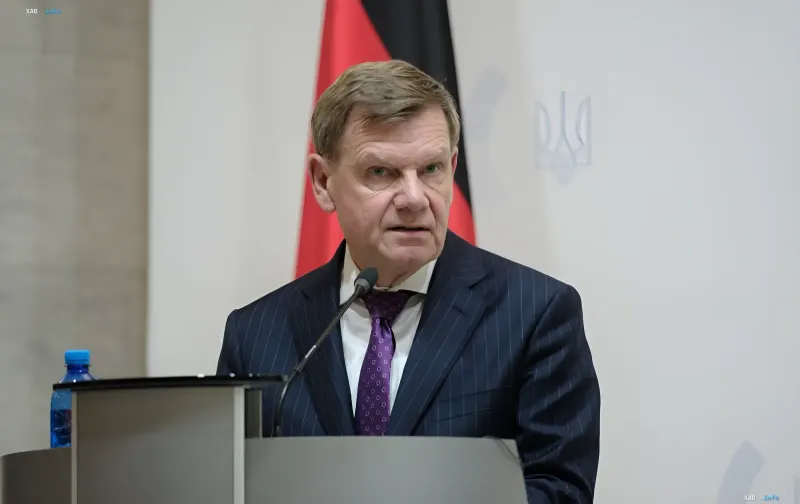
At the Parliamentary Assembly of the Council of Europe in Strasbourg, German Foreign Minister Johann Wadephul made a significant statement. The head of Germany's foreign policy agency emphasized that there are clear signs that negotiations to end Russia's full-scale war against Ukraine could begin very soon. According to the diplomat, Berlin insists on the active involvement of European nations in this process, warning against the monopolization of the negotiating platform by the United States.
European Sovereignty and Dialogue Format
Wadephul stressed that since the war is taking place directly on European territory, the architecture of the continent's future security cannot be discussed without the direct participation of Europe. The Minister expressed confidence that the current situation requires European states to develop a unified strategy for engaging with Russia. According to Berlin, a key condition for any peace process remains the prior and full approval of any agreements by the Ukrainian leadership. Without Kyiv's consent, no deals will be considered legitimate.
Attitude Toward the Regime and Security Prospects
Despite the push for a diplomatic solution, Wadephul highlighted the fundamental distinction between the Russian people and the current state order in the Russian Federation. He stated that Germany has no grievances against the citizens of Russia, but the current political regime, which initiated this aggressive war, makes cooperation impossible in the foreseeable future. Therefore, Germany's stance is that European security must be built in opposition to the current Russian regime, rather than in partnership with it. In the long term, the Minister did not rule out the possibility of building normal relations, but admitted that current conditions dictate the need for robust defense.
Contradictory Data
There is ongoing debate within expert circles regarding the format of future contacts. Wadephul's official statements about imminent talks contrast with reports of parallel U.S. attempts to organize a limited energy truce through intermediaries in Abu Dhabi. While official Berlin insists on a global approach to ending the aggression, there are concerns that separate or back-channel deals, involving the exchange of political prisoners or energy issues, could undermine the collective negotiating position of the West. Analysts warn that an "energy truce" may be merely a temporary instrument that fails to address the root issues of Ukraine's territorial integrity.