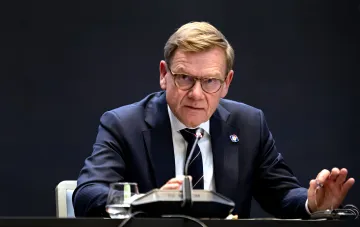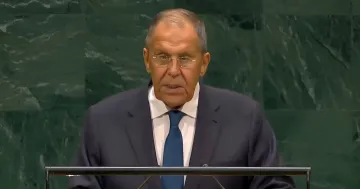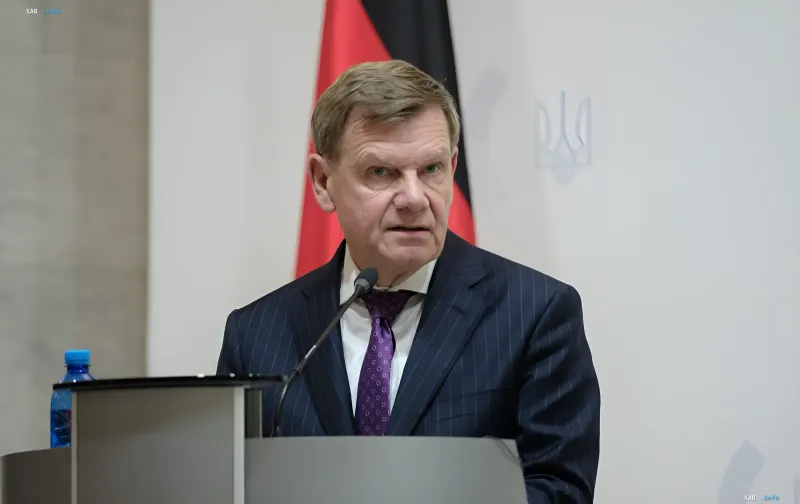
German Foreign Minister Johann Wadephul held tough talks with Russian Foreign Minister Sergey Lavrov on the sidelines of the UN General Assembly in New York. The meeting between the top diplomats of the two states marked the first direct conversation at this level since the full-scale invasion of Ukraine by the Russian Federation in February 2022. The negotiations lasted only 20 minutes, yet during this brief time, the German side outlined key red lines in relations with Moscow and demanded an immediate halt to hostile actions.
Core Claims and Hybrid Threats
According to the official German delegation, the central topic of the conversation was ongoing hybrid attacks by Russia against European countries and NATO. The head of Germany's foreign policy department specifically highlighted a recent attempted attack incident in Leipzig, which Berlin believes was orchestrated by Russian military intelligence (GRU). The German minister emphasized that such subversive acts will not shake Germany's resolve in its continued comprehensive support for Ukraine and the defense of international law.
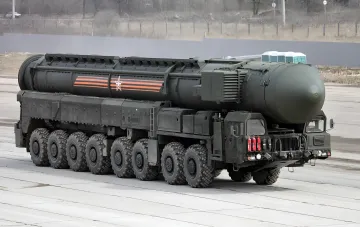
During the twenty-minute discussion, it was clearly stated that any attempts at pressure and external destabilization only worsen the already deep crisis in bilateral relations. Berlin made it clear that the security of European allies remains an absolute priority, and the Kremlin's aggressive actions will not go without a resolute response from united Europe and the North Atlantic Alliance.
Conditions for Dialogue and Moscow's Stance
Despite the sharp tone of the discussion, the German side outlined potential prospects for restoring normal interstate dialogue. Berlin's position is that a return to constructive cooperation will only be possible if Moscow completely halts its war against Ukraine, which constitutes a blatant violation of fundamental norms of international law. Nevertheless, as observers note, no genuine readiness for compromise and cessation of aggression was observed from the Russian delegation.
Controversial Data
It is worth noting certain discrepancies in how various sources cover and contextualize the diplomatic contacts on the sidelines of the UN. While European media focus on Berlin's ultimatum demands to cease hybrid sabotage in Europe and unwavering support for Ukraine, Russian state and independent media concentrate on discussing the broader international agenda. In particular, the Russian side emphasized the very fact of dialogue after a multi-year break, as well as claiming the presentation of its own geopolitical demands to Washington regarding Venezuela and Iran, which significantly diverges from the primary European security agenda.
Consequences and Global Policy Context
This meeting took place against the backdrop of intensified diplomatic efforts by Western countries seeking to regain the initiative in resolving the Ukrainian conflict. In parallel with contacts with the German representative, Russian Minister Sergey Lavrov held talks with US Secretary of State Marco Rubio, following which the American side invited Russian leader Vladimir Putin to the upcoming G20 summit in Miami. This testifies to the multi-level nature of current diplomatic maneuvers, where tough confrontation on the European track coexists with attempts at a global negotiation process in other venues.