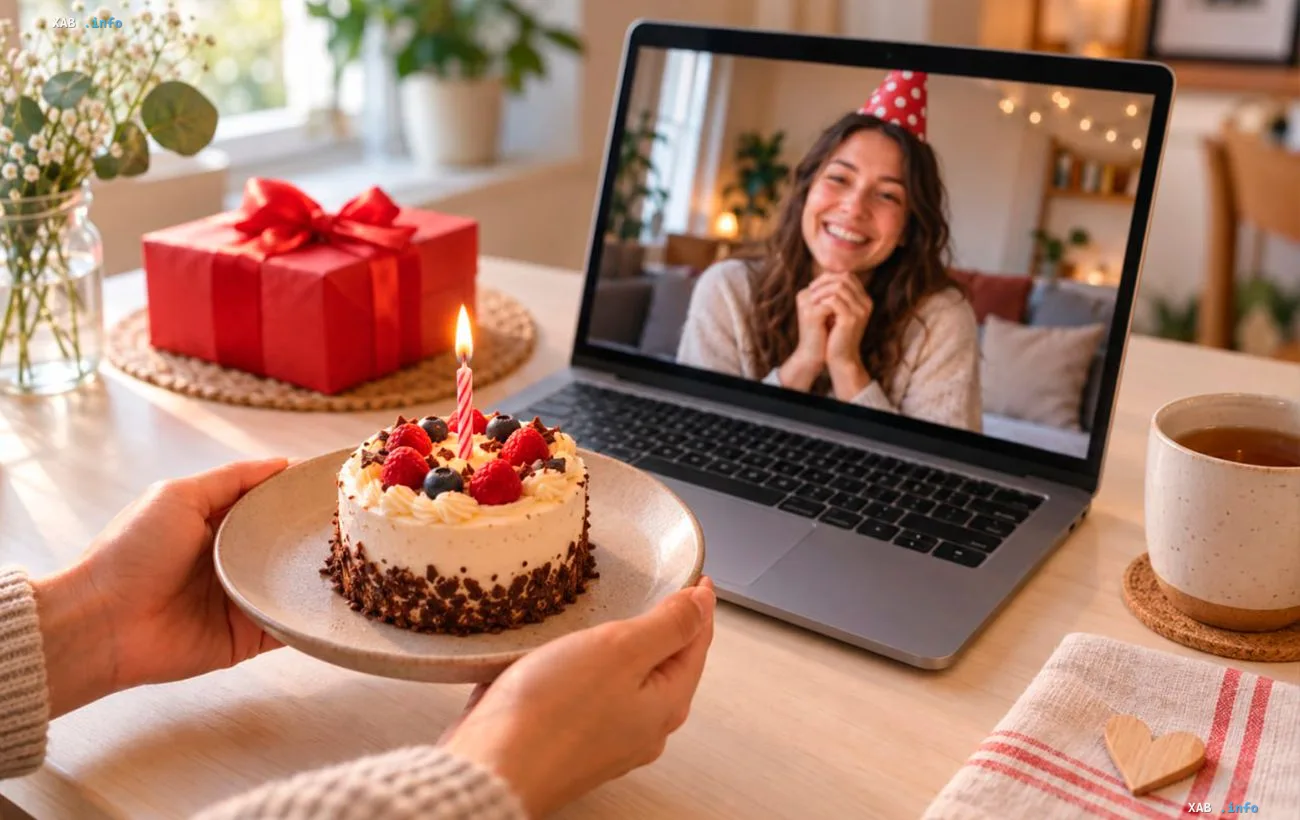
The war has turned distance into an everyday reality for thousands of Ukrainian families. Loved ones and friends have ended up in different countries, meetings have become rare, yet the need for support and a sense of closeness has not disappeared. In addition to phone calls and messenger messages, gifts have become a lasting expression of care across the distance. This is evidenced by the results of a study conducted by Info Sapiens together with the bodo brand and published by RBC-Ukraine in September 2026.
The scale of connections with loved ones abroad
According to the survey data, 83% of respondents have close relatives, friends, or acquaintances living abroad with whom they maintain contact at least from time to time. This shows that diaspora connections have become not the exception but the norm for the vast majority of Ukrainian families. Among those who do have such loved ones, 69% receive gifts from them at least occasionally. Most often, deliveries happen several times a year or once a year — that is, not on a weekly basis, but not as a one-off episode either.
Occasions and frequency: birthdays lead, but "just because" is almost half
The most common occasion for a gift from abroad remains the birthday: 58% of respondents who receive something from abroad get gifts on this date. Another 37% mentioned New Year or Christmas as a typical moment for receiving a surprise. However, the figure that stands out to researchers is that 46% of those surveyed receive gifts without a specific occasion. This indicates that care across the distance is increasingly not tied to a calendar date: an unexpected delivery, an impression, or a small surprise has become a way to support a person after a tough week, to remind them of you, or simply to create a pleasant moment in the routine.
What is most often sent: food, clothing, and money
In terms of gift structure, food and sweets lead — 53% of recipients reported them. In second place is clothing or footwear (40%), in third — money (35%). Souvenirs are mentioned by 24% of respondents. The list of gifts from abroad also includes cosmetics, household appliances, medicines, and vitamins. This structure reflects the pragmatic nature of the support: loved ones abroad try to meet basic needs or provide what is lacking in everyday life under wartime conditions.
Impression gifts: 60% in favor of rest, SPA, and master classes
At the same time, researchers emphasize: a gift does not have to be a physical object. 60% of those surveyed respond positively to the possibility of receiving an impression or service from a loved one in Ukraine — rest, SPA, a master class, dinner, or entertainment. Among the most desired impression gifts, Ukrainians named a country-house holiday or a trip (32%), family experiences (28%), and the ability to choose a gift themselves within a set amount (25%). Another 20% are interested in SPA, massage, or self-care. This format of gift can be ordered online from any country and sent to a person in Ukraine. It not only helps maintain an emotional connection but also gives loved ones the chance to rest, spend time with family, or gain a new positive experience when an in-person meeting is impossible.
Methodology and data limitations
The study was conducted by Info Sapiens in August 2026 using the online interview method. The survey involved 1099 respondents aged 18 to 65. The data reflect the attitudes and practices specifically of those Ukrainians who have loved ones abroad and maintain regular contact with them. It should be noted that the sample is limited to the online audience, and the study itself is descriptive in nature and does not involve comparison with previous periods.
A gift as a language of care across the distance
When meeting in person is impossible, a gift becomes a simple yet meaningful way to say: "I think of you, I support you, and I remain close despite the distance." In a situation where a family's geography is spread across thousands of kilometers, it is precisely such gestures — from a box of sweets to a certificate for a country-house holiday — that become the invisible threads keeping family and friendship bonds intact.