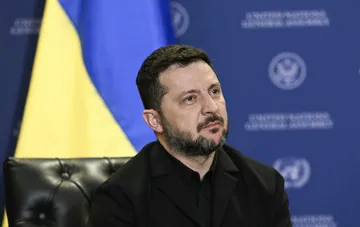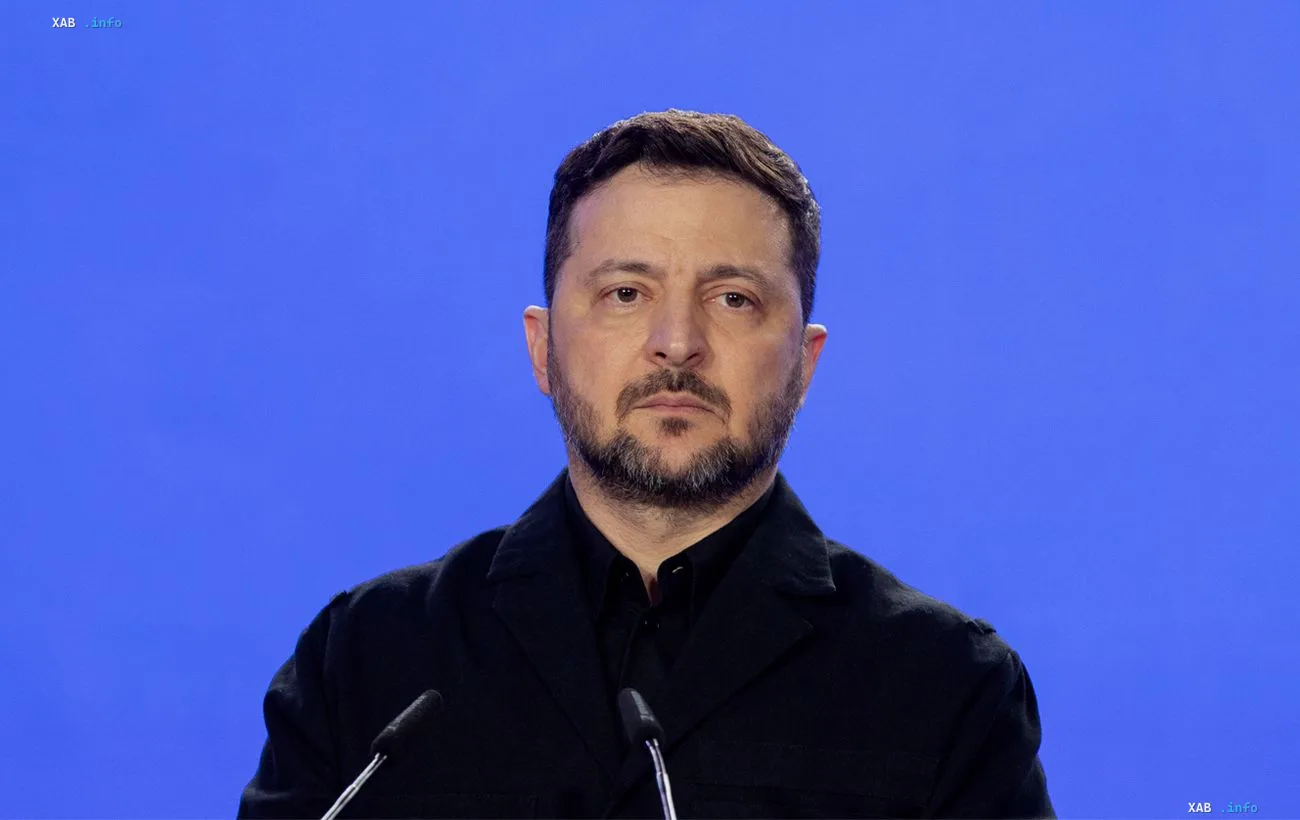
During his visit to New York, Ukrainian President Volodymyr Zelensky, while meeting with the Ukrainian diaspora in the United States, stated that the so-called "Anchorage agreements" are no longer a subject of the negotiation process between Ukraine and Russia. According to him, the negotiation process has "moved away" from this format, which included discussions on Ukraine's neutral status and the recognition of Russia's sovereignty over Crimea, Donetsk and Luhansk regions, as well as the occupied parts of Kherson and Zaporizhzhia regions. Zelensky emphasized that "the US team played a role" in this process, but the most significant role in taking the so-called "spirit of Anchorage" off the agenda was played by the Armed Forces of Ukraine.
What was meant by the "Anchorage format"
This refers to the negotiation framework known in Ukrainian and international media as the "3+2" format, in which the key conditions on the Russian side were the demands for recognition of Russia's sovereignty over the Crimean peninsula and the two regions of Donbas, as well as over the temporarily occupied territories of Kherson and Zaporizhzhia regions. An additional element of discussion was the issue of so-called "neutrality" of Ukraine. Zelensky stated outright that Kyiv "will never accept" such demands "in this format," and that it is precisely the current situation on the front that deprives Russia of the negotiating leverage to put forward such demands.
The situation on the front as a factor in the negotiating position
Commenting on the military situation, Zelensky stated: "On the battlefield, we are today controlling the situation. It is difficult for us, but there are no global advances by the 'Russians,' and where there are any, they come at a very high cost to Russia, and that cost is in people — in hundreds, in thousands." Thus, the president linked the removal of the "Anchorage" conditions from the agenda to the fact that Russia, losing in the pace of its offensive and suffering significant personnel losses, objectively cannot dictate to Ukraine the conditions for recognizing occupied territories. Zelensky also emphasized that Kyiv has "no illusions" about the ultimate goals of Vladimir Putin, who, in his assessment, "still strives for the occupation of all of Ukraine, not just Donbas," so that "Ukraine would be part of his state."
Context: the position of Washington and Trump's statements
Earlier, Zelensky reported that the administration of US President Donald Trump insists on three urgent steps to de-escalate Russia's war against Ukraine. The specific content of these steps within the framework of this statement was not disclosed. Meanwhile, after meeting with Trump in New York, Zelensky named the condition for an energy ceasefire with Russia. Trump himself, speaking at the 81st session of the UN General Assembly, stated that the war in Ukraine will end "sooner than people imagine." The totality of these signals indicates that Washington, while maintaining pressure on both sides, is simultaneously adjusting the negotiation framework in a direction acceptable to Kyiv.
The significance of the statement for the negotiation track
Zelensky's public statement that the "Anchorage agreements" no longer feature in the negotiations has several consequences. First, this is a public marking of a red line: Kyiv is not ready to discuss the recognition of territorial losses as a basic condition for a settlement. Second, the statement is also directed at the Russian audience, demonstrating that Moscow is losing a key argument it had been counting on in the diplomatic track. Third, the mention of the role of "the US team" and the Armed Forces of Ukraine simultaneously fixes the two-vector basis of the shift: diplomatic pressure from Washington and military resistance on the front. At the same time, Zelensky did not rule out that the peace process remains "difficult precisely because of Russia's position," which leaves room for further diplomatic maneuvers without changing Kyiv's basic territorial position.