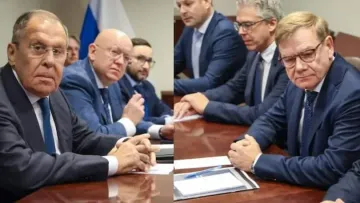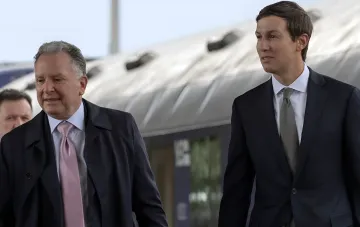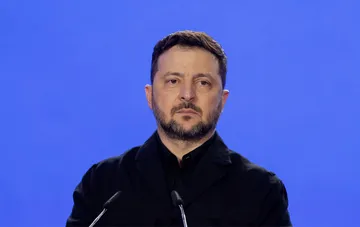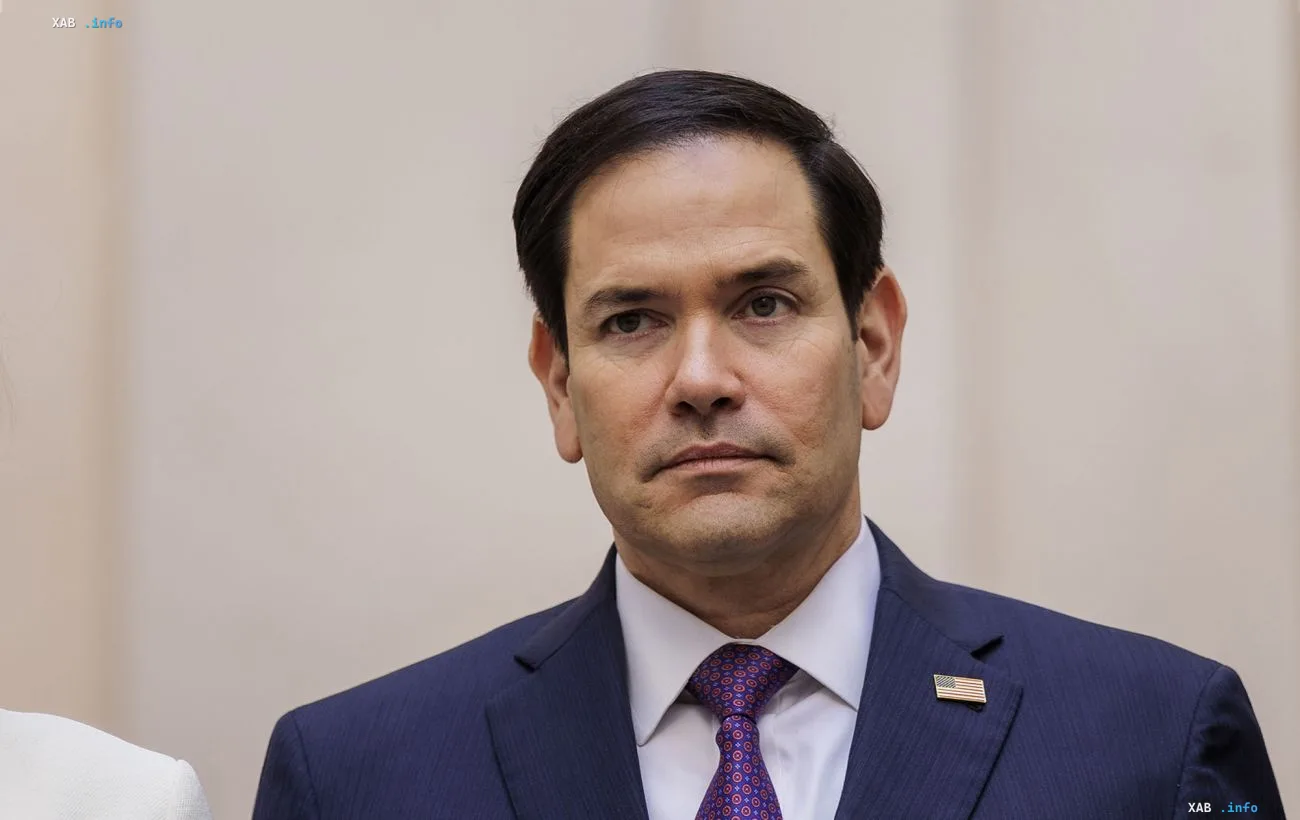
On Wednesday, September 23, 2026, a meeting between Russian Foreign Minister Sergey Lavrov and U.S. Secretary of State Marco Rubio began in New York. The talks are taking place on the sidelines of the 81st session of the UN General Assembly and, according to reports, are focused on resolving the war in Ukraine. The format of the meeting is closed: journalists were allowed to be present and film only the first minutes of the negotiations, after which media representatives were asked to leave the room.
Closed Format and No Answers to Questions
According to the publication, accredited journalists managed to ask the participants questions, but they did not receive any answers. This indicates that the parties are deliberately limiting public communication and are not ready to bring the details of the discussion into the open. Such practice is typical for sensitive diplomatic contacts, where every formulation can be used by an adversary or by political opponents within the countries.
Context: The Day Before, Zelensky and Trump Discussed a Ceasefire
The Lavrov–Rubio meeting is taking place against a backdrop of intense diplomatic activity around the Ukrainian settlement. The day before, on September 22, Ukrainian President Vladimir Zelensky met with his American counterpart Donald Trump on the sidelines of the UN General Assembly, and after the conversation he named a condition for a so-called energy ceasefire with Russia. Trump himself, speaking at the 81st session of the UN General Assembly, emphasized that the war in Ukraine will end “sooner than people imagine,” while Zelensky, in turn, expressed hope that the conflict could be resolved by winter with the assistance of the American president.
Positions of the Parties: From “No Winners” to a “Logical End”
The rhetoric of the American side in recent weeks has been built around the idea of the inevitability of a peace agreement. Recently, Marco Rubio stated that there will be no winners in the war in Ukraine, and added that it would be logical to end the conflict, since ultimately it will end with a peace agreement. These statements set the tone for the upcoming and already ongoing negotiations: Washington, it seems, is promoting a scenario of a managed cessation of hostilities, rather than a one-sided victory by either side.
What This Means for the Negotiation Track
The combination of the closed Lavrov–Rubio meeting, the preceding contact between Zelensky and Trump, and public statements about the imminent end of the war forms a picture of an accelerating diplomatic track. At the same time, the absence of public results and the refusal to answer journalists' questions leave room for various interpretations: the parties may be working out specific parameters of a settlement, or testing positions without commitments. It will only be possible to assess real progress after the appearance of official communiqués or comments from the presidents.