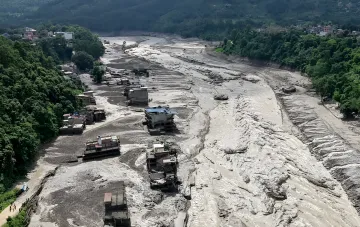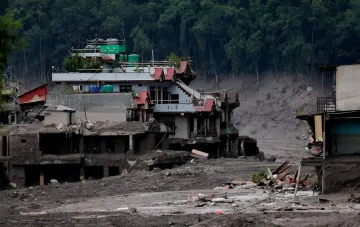
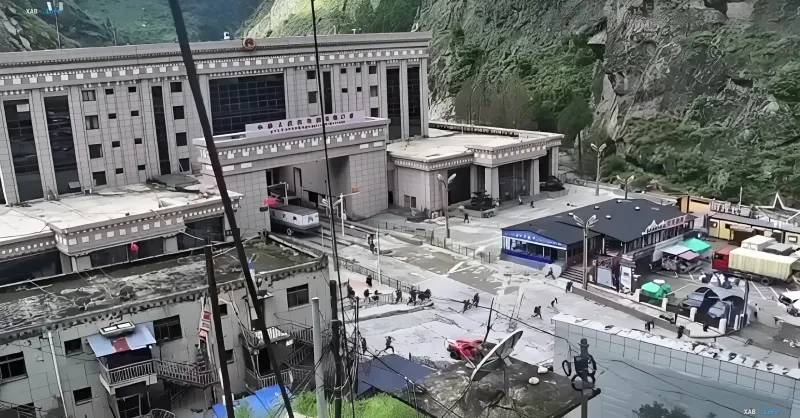
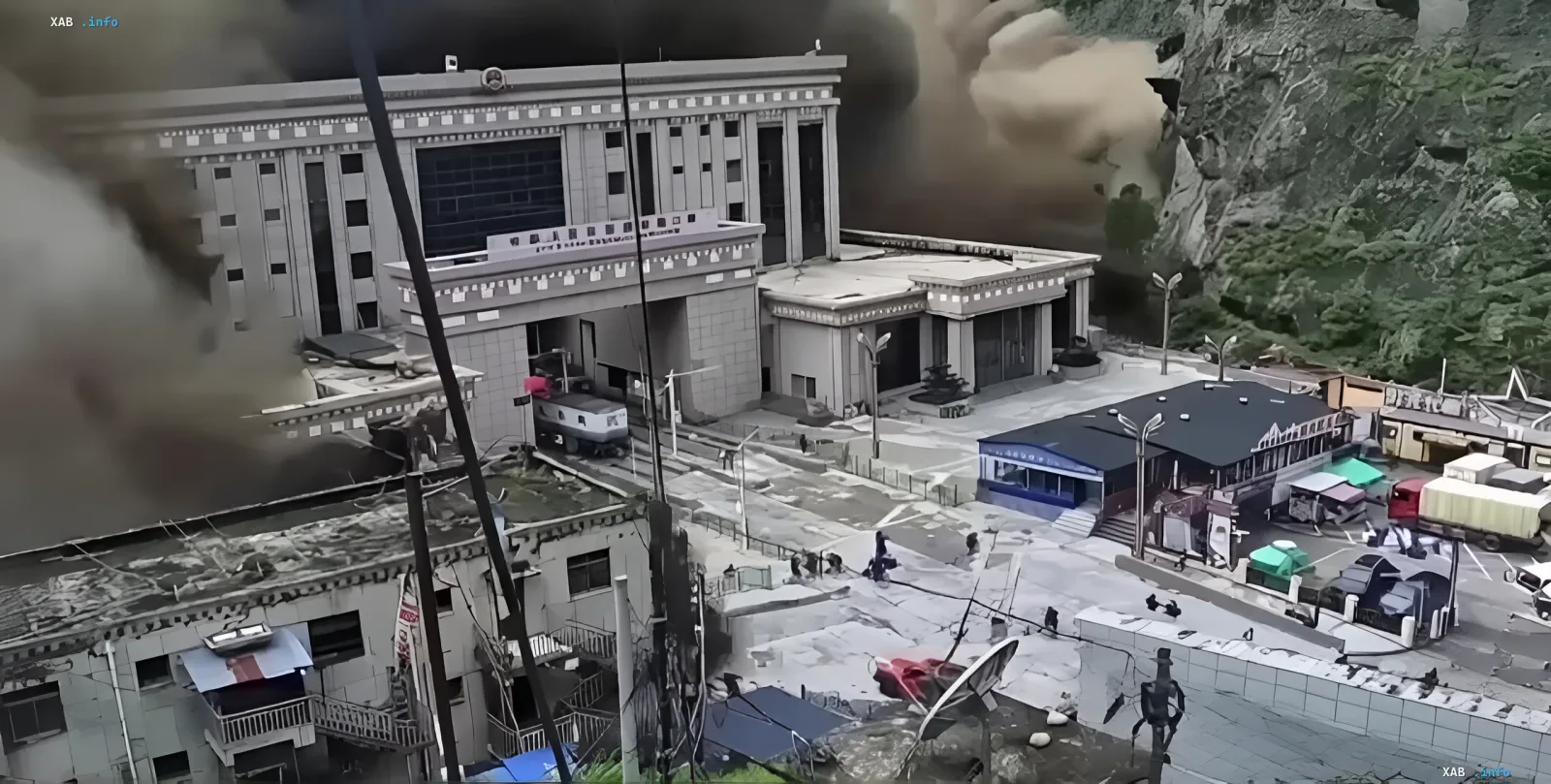
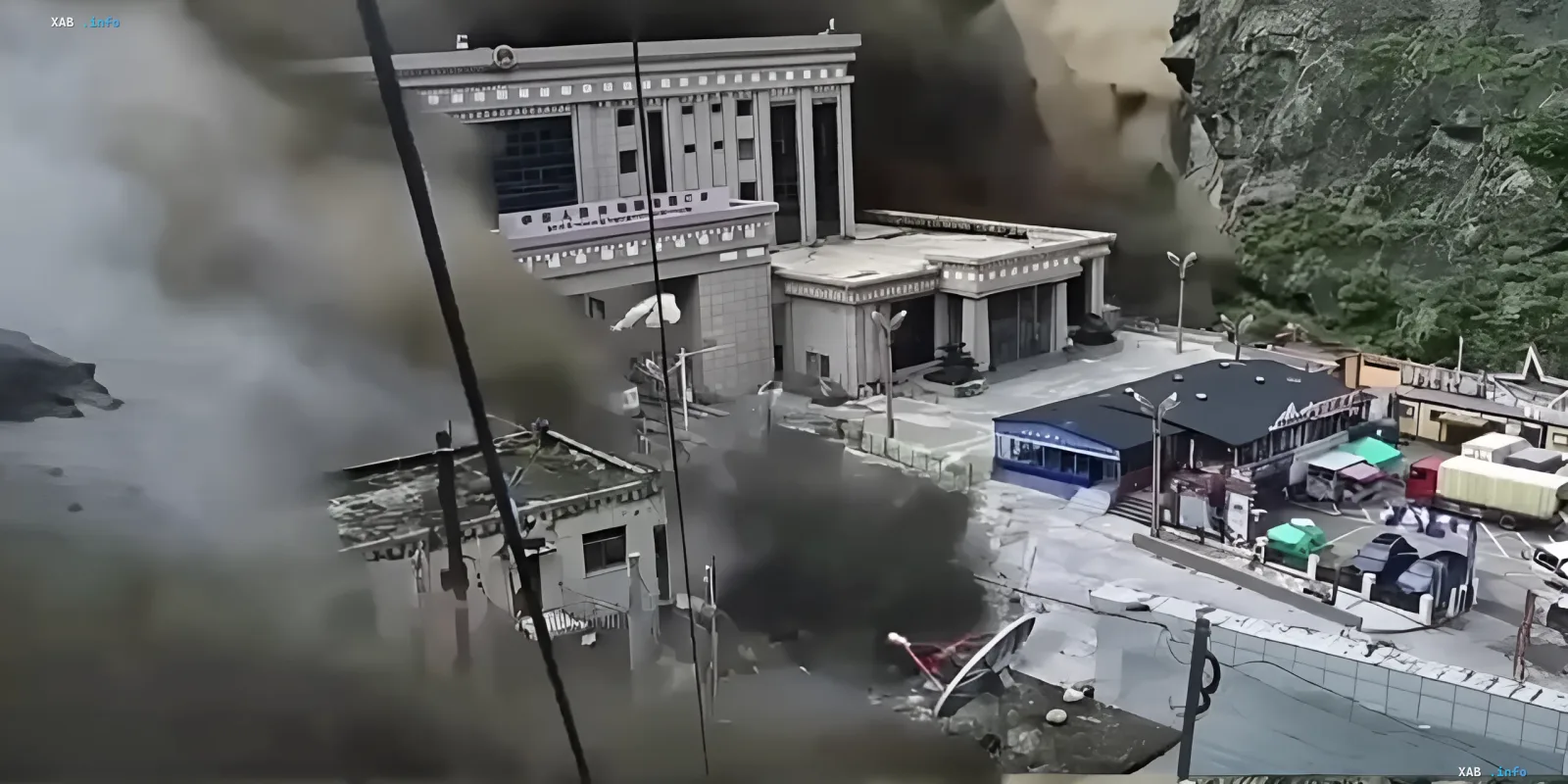
The Himalayan region at the junction of Nepal and Tibet is experiencing one of the most destructive natural disasters in decades. On the morning of 26 August 2026, in the upper reaches of the Bhote Koshi river on the Tibetan side, a massive collapse of a glacial mass occurred, generating a breakout debris flow of colossal power. A wall of mud, boulders and tree debris several metres high crashed down the riverbed, virtually wiping the border settlements of Thaimure, Syabrubesi and Thulsie off the map, sweeping away the strategic "Friendship Bridge" on the border with the PRC, dozens of residential houses, tourist bus parking lots and small hydroelectric plant sites. The layer of silt on the roads reaches 1.5–2 metres — heavy wheeled vehicles physically cannot break through to the disaster zone. According to the latest data, the number of fatalities has exceeded 170 people, while hundreds remain missing.
What is known about the missing Ukrainian citizens
Ukraine's Ministry of Foreign Affairs has officially confirmed receiving an emergency appeal: on the morning of 26 August, contact was lost with an organised tour group of 46 Ukrainian citizens in the high-mountain Rasuwa district. According to Nepal's Tourist Police and operational reports from consular services, the total number of Ukrainians registered in the disaster area and not making contact has reached 53. Dozens of appeals from worried relatives have already come in on the MFA's hotline. Ukraine's honorary consul in Nepal has been involved in the search-and-rescue operation, while the diplomatic missions in New Delhi and Beijing are coordinating actions with Nepal's and China's emergency services. At this time, there are no official confirmations of the death or injury of any Ukrainians: rescuers emphasise that the high-mountain gorges are completely cut off from the outside world — cellular communication towers have been destroyed and power lines washed away.
Anatomy of the disaster: why the water came suddenly
The natural disaster in the Rasuwa area is not a seasonal flood, but a rare and extremely dangerous phenomenon known in geology as GLOF (glacial lake outburst flood) combined with a large-scale landslide. According to data from the USGS geological services and Nepali authorities, a collapse of a glacial mass and rock occurred in the upper reaches of the Tibetan ridges. The rock-and-ice mass blocked the riverbed, forming a temporary natural dam. The accumulated millions of cubic metres of water broke through the barrier, generating a debris flow that in a matter of minutes turned the transit corridor into a zone of total destruction. That is why the flood warning did not reach the tourists and local residents in time — the speed and power of the flow left no chance for evacuation.
Scale of the tragedy: hundreds of missing foreigners
The disaster area is a traditional transit hub for trekkers in Langtang National Park, as well as for pilgrims heading through Nepal to the sacred Mount Kailash and Lake Mansarovar in Tibet. The lists of missing persons include between 800 and 1,400 people, of whom more than 300 are foreign tourists. In addition to Ukrainians, rescuers are searching for 133 pilgrims from India, 34 citizens of Australia, 17 from Malaysia, 12 from the United Kingdom, as well as groups of tourists from the USA, South Korea, South Africa and the Netherlands. The Rasuwa region in peacetime is one of the busiest high-mountain tourism routes in South Asia, and it was right in the middle of the pilgrimage season that it found itself in the epicentre of the disaster.
Contradictory data
The operational reports published in the first day after the disaster show a number of discrepancies in the figures, which is typical for a developing emergency. Thus, the number of missing Ukrainians in the MFA's initial messages was given as 46 people (the composition of one organised group), whereas Nepal's Tourist Police and updated consular reports indicate 53 people, and in some diplomatic reports, taking into account the border zone of Tibet, the figure of up to 55 is mentioned. A similar mismatch is observed in the data on fatalities: the initial estimate of 157 people has already been revised upward to 160–180, while the number of missing persons ranges from 400 (early reports) to 800–1,400 (updated data taking into account the cut-off settlements that the search group has not yet reached). All the discrepancies mentioned are explained by the complete blackout in the disaster zone: without cellular communication and working infrastructure, an accurate accounting of the victims is possible only as the rescue teams advance.
Current situation in the search zone
The rescue operation is severely hampered by weather conditions and the risk of repeat landslides. Nepali army helicopters and Chinese rescue teams are breaking through to the cut-off settlements, however the dense layer of silt and debris makes ground advancement of heavy equipment impossible. The rescuers' hope is built on the fact that most tour groups, at the first signs of danger, managed to climb to the higher slopes of the ridges and take shelter in base camps, where they are now awaiting aerial evacuation. Ukraine's MFA and the embassies in New Delhi and Beijing state that the situation is being reassessed every few hours, and the families of the missing are advised to contact only the official channels of the diplomatic missions.