The global automotive industry is entering a period of deep restructuring as manufacturers simultaneously face multiple challenges such as weakening demand, rising costs, pressure from Chinese electric vehicles, and rapid technological changes. Traditional auto giants are forced to rethink their survival strategies.
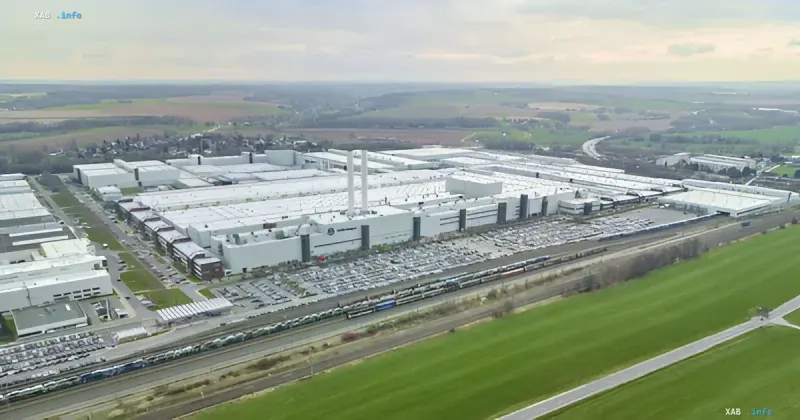
At the center of this process is Volkswagen Group. The company plans to cut another 50,000 jobs worldwide, with half of them potentially concentrated in Germany. This figure follows a plan to cut 35,000 jobs in Germany agreed upon in late 2024. Financial pressure is mounting as Volkswagen forecasts that operating profit margin will peak at 1% in 2026, while profits in China continue to decline.
Contradictory Data
While official Volkswagen management plans focus on large-scale optimization and investment in plant modernization, independent sources and trade unions cite significantly more alarming figures. According to union warnings, the total wave of cuts across the group's enterprises could affect up to 140,000 jobs, substantially exceeding initial corporate estimates.
Expert Analysis and Technological Shift
Stefan Bratzel, director of the Center of Automotive Management (CAM), believes that Volkswagen needs to reduce costs, model count, and production complexity. However, he argues these measures will not be enough unless the company finds new revenue sources. According to him, the automaker was slow to adapt to EVs and software-defined models.
Pressure is spreading from manufacturers to the entire supply chain. While European companies are scaling down operations, Chinese enterprises are expanding their presence in Europe, capturing market share and forcing traditional automakers to seek new alliances and technological solutions.