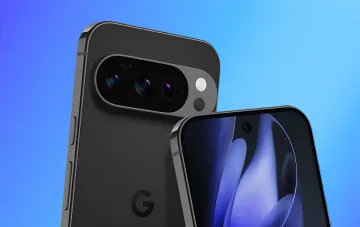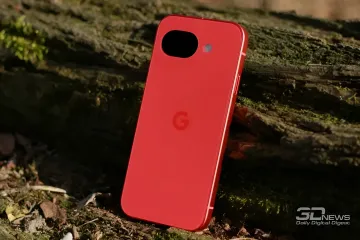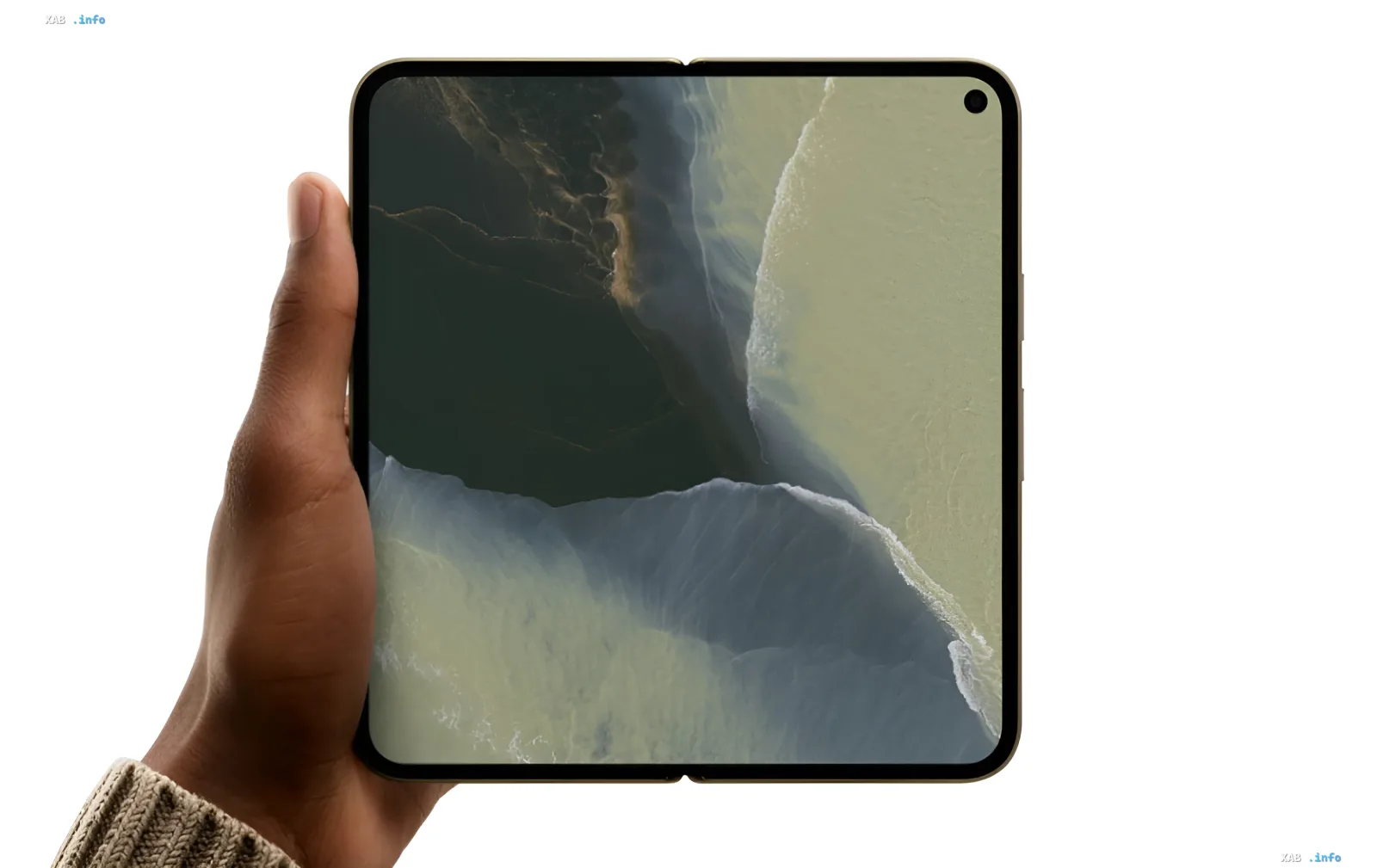
On August 13, 2026, Google officially unveiled its new flagship foldable smartphone — the Pixel 11 Pro Fold. The device is the result of a deep redesign aimed at improving ergonomics and visual appeal, though engineers were forced to make several compromises to achieve the stated specifications.
Design and Ergonomics: Evolution, Not Revolution
Externally, the new model almost completely replicates the design of its predecessor. Google decided not to experiment with proportions or body shape, unlike competitors from Samsung, maintaining familiar dimensions that have already become the standard for the series. However, the internal structure has been significantly overhauled: developers created a completely new and more robust hinge mechanism, which should increase the device's durability during frequent use.
The key change was a reduction in dimensions. The smartphone has become lighter and noticeably thinner. Reducing the battery allowed the body to be 1 mm thinner and the device weight to be reduced by 20 grams. This makes the Pixel 11 Pro Fold one of the most comfortable foldable smartphones to hold on the market, despite its premium status.
Super Actua Display: Record Brightness
The main changes concerned the quality of content display. The external display of the Pixel 11 Pro Fold received a new Super Actua panel with a peak brightness of 3600 nits. According to the company, both internal and external screens are 20 percent brighter compared to last year's model. This allows for comfortable use of the device even under direct sunlight, which was previously a problem for many foldable gadgets.
Compromise for Thinness: Battery and Charging
The drive for thinness and lightness forced engineers to make a certain compromise regarding battery life. Instead of the 5015 mAh battery used in the previous version, the new model received a battery with a capacity of 4750 mAh. A reduction in capacity by 265 mAh is a significant step back for those accustomed to long usage times without recharging.
However, developers partially compensated for this with an improvement in wireless charging speed, which now supports a power of 25 W. This will allow for faster recharging during the day, although it does not fully solve the problem of lower capacity.
Photography and Performance: Tensor G6
The photo and video capabilities of the Pixel 11 Pro Fold have been significantly expanded thanks to modern hardware. The device is equipped with an updated 48-megapixel main sensor capable of capturing more light for detailed shots in challenging lighting conditions.
Thanks to the fresh Tensor G6 processor and the updated image processing chip, the maximum digital zoom has increased from 20× to 30×. This makes the smartphone a serious competitor to monolithic flagships in the segment of portrait and long-range photography.
Pricing and Availability
The Pixel 11 Pro Fold will go on sale in two color options — Olive and Obsidian. The new model is priced at $1899 at launch. A significant price increase compared to the previous generation may be a barrier for the mass buyer, but for brand fans and foldable technology enthusiasts, the new model will be the main event of the summer of 2026.