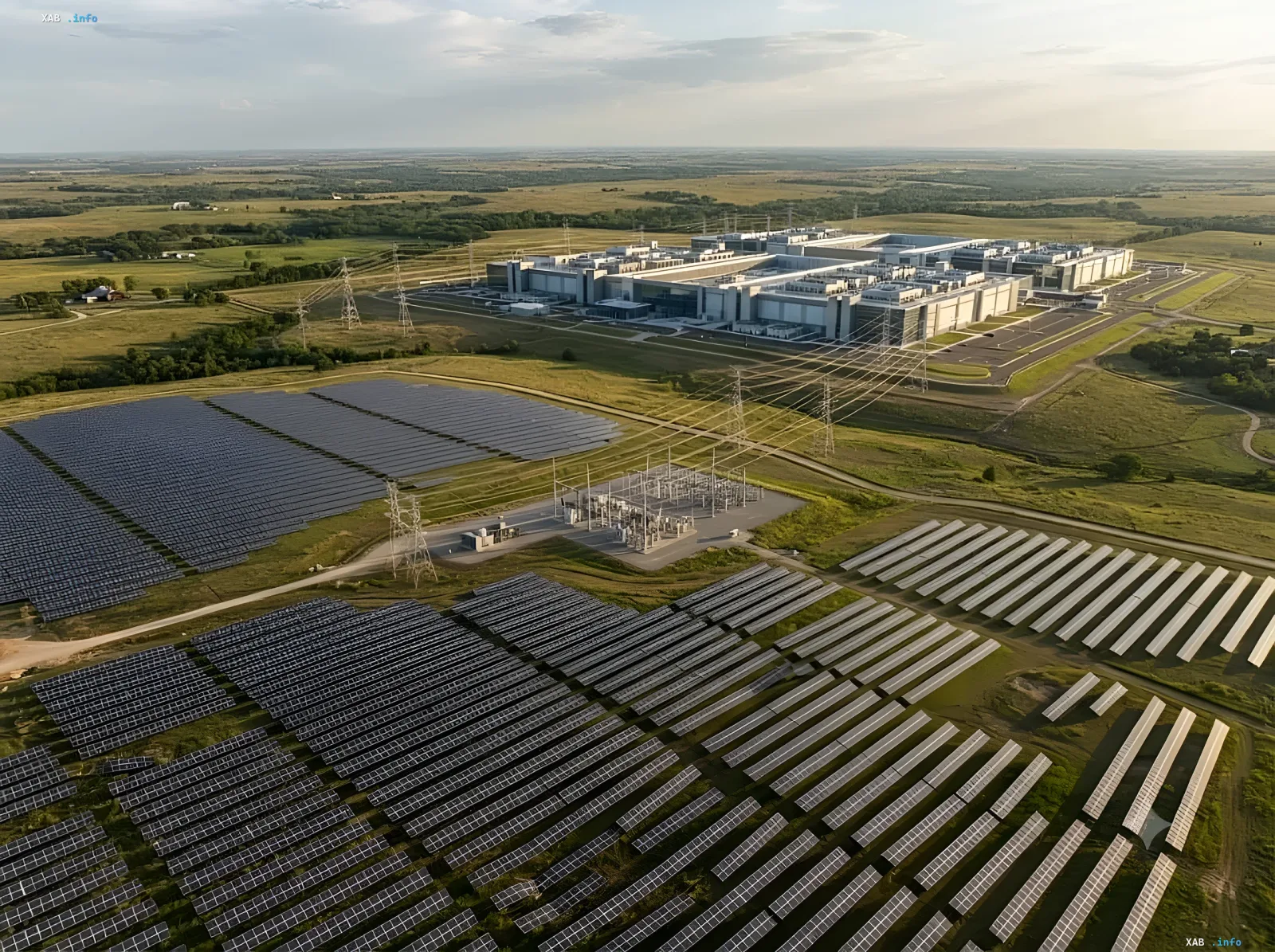
Technology giant Google has taken a strategic step to ensure its growing artificial intelligence and cloud services infrastructure is powered by sustainable energy. The company has signed a long-term agreement with leading German energy operator RWE (RWE AG) to purchase 155 megawatts of solar energy in the US state of Oklahoma.
According to data published by Ixbt.com, the deal is calculated for 15 years and will become a key element of Google's energy strategy in the region. Electricity will be supplied as part of the Crooked Creek Solar project, which RWE plans to build directly in Oklahoma.
Project implementation timing
Construction of the large-scale solar power plant is scheduled for the end of 2026. Full commissioning of the facility is expected in 2028. This decision will allow Google to synchronize the appearance of new capacity with plans to expand its data centers, which consume colossal amounts of electricity to run AI servers.
Context of RWE's presence in Oklahoma
The Crooked Creek Solar project is not an isolated case. The German company RWE already has significant experience working in the state of Oklahoma. Currently, the operator manages the Boiling Springs wind farm with a capacity of 148 megawatts.
In addition, six more major energy projects with a total capacity of 1.6 gigawatts are in the development stage in the region. This indicates that Oklahoma is becoming an important hub for RWE in the US, while Google is a key partner in implementing these initiatives.
Google's infrastructure boom in the state
Google's interest in Oklahoma is long-term. In 2011, the company opened a large campus in the city of Pryor, which has been regularly expanding since then. In August of last year, Google announced massive investments of $9 billion to develop cloud technologies and artificial intelligence infrastructure in this state.
At the beginning of 2026, local authorities officially approved the project to build a new company data center in the city of Tulsa. The purchase of solar energy from RWE fits logically into this plan, ensuring the environmental sustainability and energy security of new capacities.