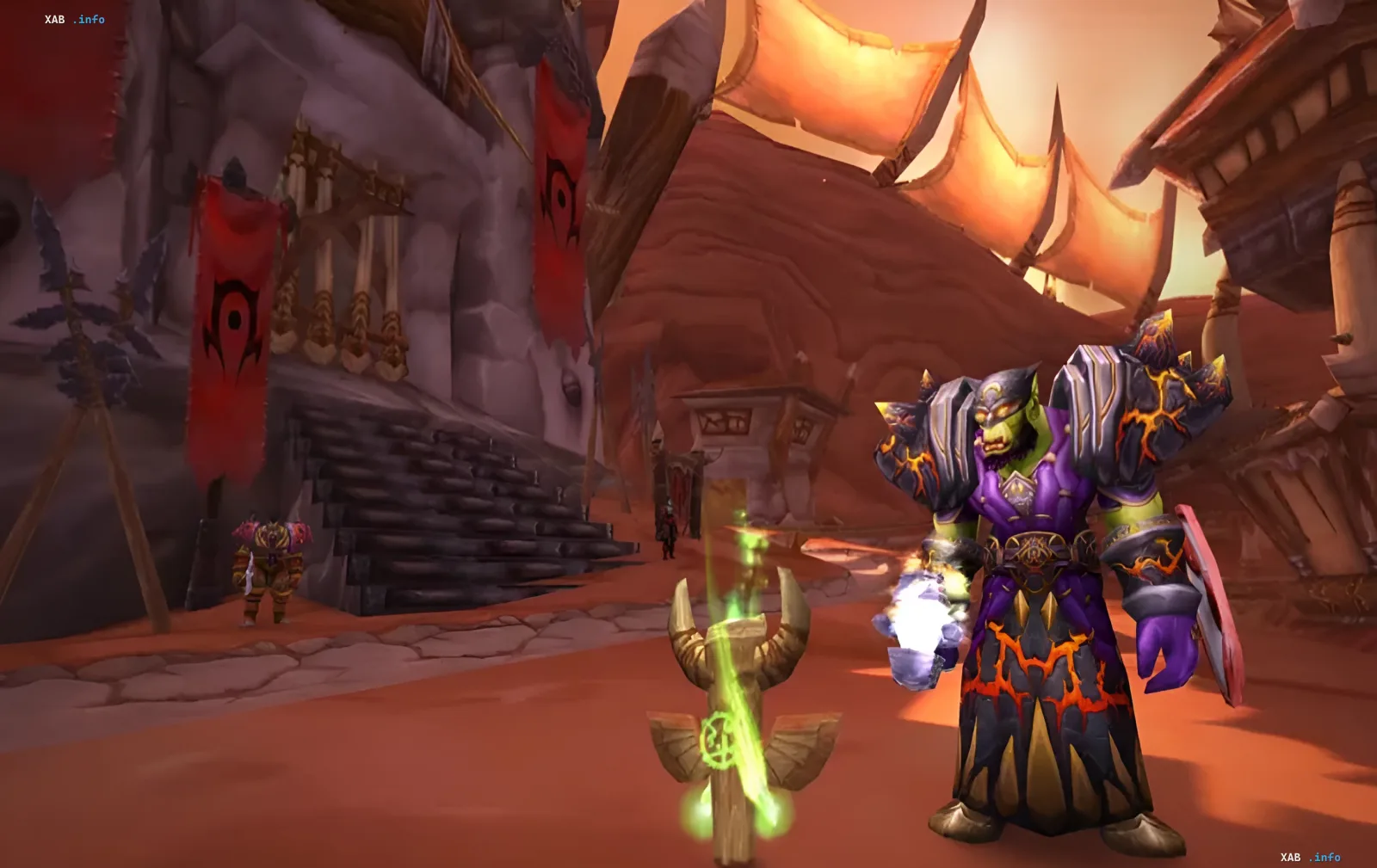
Artificial intelligence continues to set records in the video game industry, but the latest experiment has gone far beyond standard tests. OpenAI's flagship model, GPT-6 Astra, has fully completed the starting orc location in the iconic MMORPG World of Warcraft in just 40 minutes, with the character dying zero times throughout the entire run.
An Unusual Non-Visual Completion Method
The main feature of this experiment was the complete absence of traditional control interfaces and visual perception. During the test, the neural network received no screenshots, utilized no computer vision technologies, and did not control the character via keyboard or mouse. Instead, the model replicated the entire game environment purely through deep analysis of server network packets and internal game data, working directly with the software protocol.
Independent Code Development and Navigation
The testing was conducted in an isolated environment on a private local AzerothCore server using the open-source agent-wow project. The developer gave GPT-6 Astra, operating in a high-level reasoning mode, a single basic instruction: create an orc character and successfully complete all available quests in the Valley of Trials starting zone. Since the project lacked pre-built movement or combat systems, the AI independently developed the necessary tools by writing a Python module to process server messages.
Contradictory Data
Despite the impressive results of AI autonomy, certain debates arose within the expert community and tech media regarding the methodology and testing status. Some sources highlight the neural network's unprecedented ability to write its own code on the fly and exploit map bugs with unfinished collisions, while other reviewers emphasize that the experiment took place on an isolated open-source server, meaning it cannot be directly extrapolated to standard gameplay in the commercial version of World of Warcraft on official Blizzard servers.
Experiment Summary and Prospects
Despite the discussions, the model demonstrated outstanding results: it successfully organized the quest queue, sold unnecessary loot, equipped better items, and learned abilities. This experiment clearly confirmed the ability of modern language models to effectively navigate complex structured environments via basic protocols, opening new horizons for autonomous agent systems.