Purchasing high-performance consumer electronics in retail stores is rapidly turning into a rigorous bureaucratic procedure. Amid strict export controls and a monumental shortage, American retail chain Micro Center has introduced unprecedented precautionary measures when selling flagship graphics accelerators.
New Retail Rules and Requirements
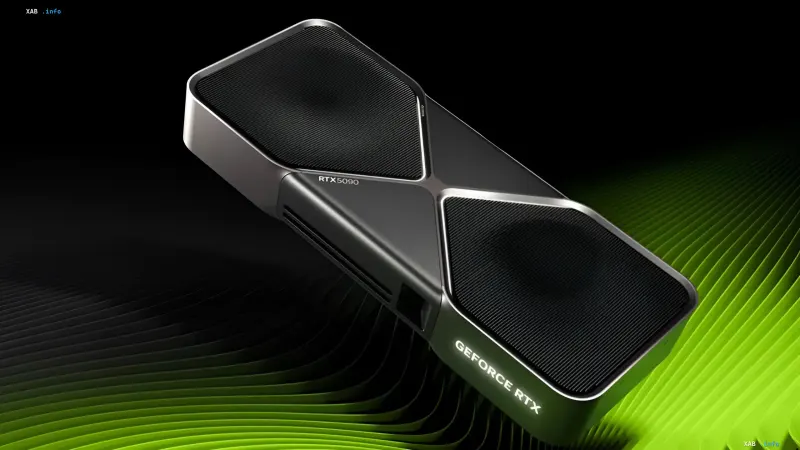
The discussion was sparked by a complaint from a buyer in California who was purchasing a pre-built PC powered by the flagship GeForce RTX 5090. The store manager demanded a scanned driver's license along with a signed legal document prohibiting the export of the device outside the United States.
Causes of Strict Measures and Shortage
The primary driver behind this policy is the overwhelming demand for NVIDIA flagships from AI research labs and data centers. According to industry reports, Micro Center received only a few hundred RTX 5090 units for the entire United States, triggering massive scalping and skyrocketing secondary market prices.
Contradictory Data
While official retailer representatives cite the strict necessity of complying with federal export control laws, disgruntled buyers have reported questionable incidents within the retail chain. Aside from intensive paperwork tracking personal data, there are reports of logistic hiccups and odd substitutions, escalating tension around scarce deliveries.
Consequences for the Hardware Market
Implementing the end-user declaration practice shifts the full legal responsibility for potential grey exports directly onto ordinary consumers. Experts predict these measures might temporarily cool down resellers, though they will complicate hardware access for enthusiasts in the long run.