Oleg Ivashchenko, head of the Main Directorate of Intelligence (HUR), warned in an interview with Ukrinform that Ukraine faces combined strikes from the Russian adversary this autumn and winter: ballistic and cruise missiles, 'Shahed' suicide drones, and new loitering munitions will hit primarily the energy infrastructure and heating plants. This was reported by RBC-Ukraine.
"I can't give you good news": warning from the HUR head
"I can't give you good news, and I can't mislead people. As the head of intelligence, I must speak objectively. People need to understand this, and our country needs to prepare for it," Ivashchenko stated. According to him, intelligence knows which targets the adversary plans to strike, with what weapons, and approximately when. Russia's main goal, he emphasized, is to reduce Ukraine's military potential and its strike capabilities: the enemy is hitting ammunition storage sites and attempting to destroy defense production facilities.
Combined strikes: what is in the adversary's arsenal
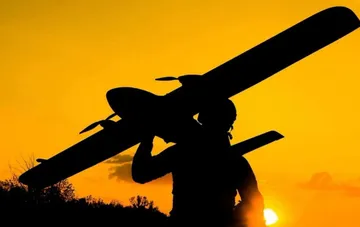
Intelligence is recording a significant increase in the share of 'Shahed' suicide drones in Russian attacks — their number, by estimates, may reach 120, 300, or even 500 per day. At the same time, the adversary is using ballistic and cruise missiles and unmanned aerial vehicles. Ivashchenko separately mentioned new loitering munitions — something between a suicide drone and a cruise missile: they can reach speeds of 500–700 kilometers per hour and be launched from air or ground platforms. Since Russia is employing all these means simultaneously, the air defense system has to handle several tasks at once. "The adversary is adapting. And our task is to adapt faster," the HUR head emphasized.
Energy and heating plants — the main target in winter
According to Ivashchenko, the closer the cold weather, the more frequently energy facilities and heating plants, on which the life of cities and villages depends, will become targets. Intelligence is working in direct contact with the Air Force: it passes information about threats, and the Air Force prepares to shoot down aerial attack means. A separate problem remains the sufficient number of PAC-3 missiles in Patriot systems for defense against ballistic missiles — the 'Iskanders' and 'Tsirkons,' which, according to the HUR head, remain among the most difficult types of targets to intercept. He noted that President of Ukraine Volodymyr Zelenskyy, the President's Office, diplomats, and intelligence are working on resolving this issue.
There will be no famine: what is being said about food reserves
On September 4, Serhiy Beskrestnov, the President of Ukraine's advisor on technological defense areas, explained in a comment to DOU why there will be no famine in the country: the Ukrainian food market is too closely intertwined with the European one, and partners will quickly fill any niche. At the same time, he advised buying generators and power banks already today — before prices rise due to panic buying. As RBC-Ukraine previously reported, the capital has begun accumulating food and drinking water reserves in case of prolonged blackouts: these stocks will go to "points of invincibility," as well as to aid those affected by emergencies and rescuers working on the ground.