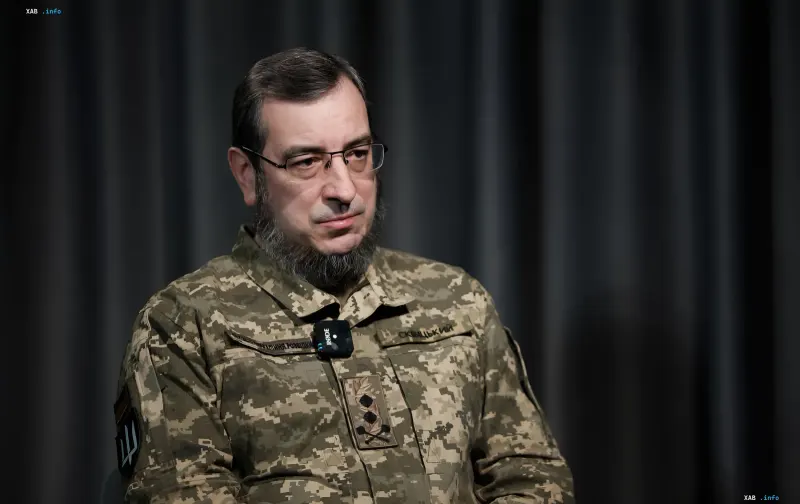
Vadym Skybitskyi, a representative of the Main Directorate of Intelligence (GUR) of the Ukrainian Ministry of Defence, warned at a meeting of the Ukraine–NATO Interparliamentary Council that Russia intends to carry out final tests of a new type of ballistic missile with a strike range of up to 800 kilometres by the end of the current year. According to him, in the course of such tests the adversary may strike targets in Ukraine's western regions. The statement came amid reports that Russia is already using upgraded Iskander-1000 ballistic missiles against Kyiv.
Ballistic missile tests and a bet on economic crisis
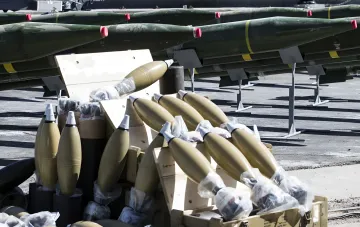
According to the GUR, Russia is seeking to intensify its missile and drone strikes on Ukraine in order to provoke an economic crisis. To this end, Skybitskyi noted, the adversary plans to ramp up the production of ballistic missiles and increase their range. That is why, according to intelligence data, final tests of a new type of ballistic missile with a range of up to 800 km are scheduled by the end of 2026, and the potential strike zone during these tests could extend to the country's western regions.
Mobilization of 600,000 and August losses
Skybitskyi also provided data on the Russian army's manpower situation: in August alone, according to the GUR, Russia lost 43,000 soldiers in the war, while over the same period 39,000 new recruits were conscripted into the Russian armed forces. The intelligence representative emphasized that the Russian General Staff believes that without mobilization the aggressor will not achieve its goals — the full occupation of Donbas and the securing of the strategic initiative. According to him, Russia's plans for 2026–2027 include the mobilization of around 600,000 people, half of whom — by the end of the current year.
Belarus, a Black Sea blockade and pressure on NATO
Among Russia's long-term plans, according to the GUR, are a blockade of the Black Sea and attempts to drag Belarus into the war against Ukraine. At the same time, no actual strike groupings have been detected on Belarusian territory to date. Skybitskyi pointed out that the key factors holding Minsk back are internal risks, limited military capabilities, and potential economic problems. Nevertheless, in his assessment, Belarus will continue to provide Russia with its territory to create pressure on the border with NATO countries.
Contradictory data
It is important to note that all the figures cited — losses of 43,000 in August, the recruitment of 39,000, the planned mobilization of 600,000, and the very prospect of testing 800 km missiles — are one-sided assessments by Ukrainian intelligence and are not confirmed by independent sources or by the Russian side. Official Russian data on losses and the scale of mobilization, as a rule, do not match the GUR's estimates. Moreover, the very fact of the tests and strikes on the western regions, at the time of the statement, is a forecast rather than a recorded event. As additional context, the GUR previously reported that a North Korean missile unit was being deployed in Russia for strikes on Ukraine, indicating an expansion of the sources of the missile threat, although this line has not been confirmed by independent data.