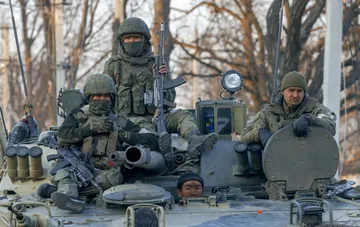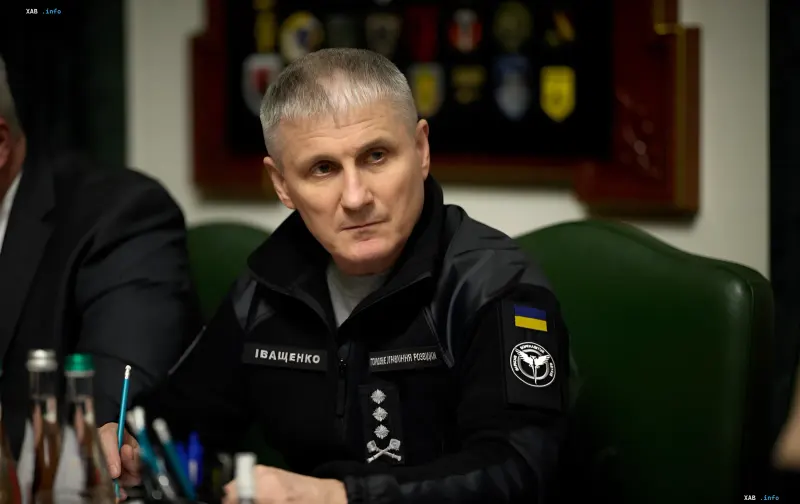
Oleg Ivashchenko, head of the Main Directorate of Intelligence (GUR) of the Ministry of Defense of Ukraine, told The Times, as cited by RBC-Ukraine, that Russia has enough military and economic resources to continue combat operations until approximately 2028. In his assessment, Moscow still has a reserve of capabilities for the coming year, but after that, if the current dynamics persist, its resources will be exhausted. The statement came against the backdrop of ongoing debate over the sustainability of Russia's mobilization machine and its ability to sustain the current level of losses.
The Math of Losses and Recruitment
Ivashchenko cited specific figures that, according to him, underpin the forecast. According to GUR data, Russia recruits between 1,000 and 1,200 people into the army each day, while front-line losses are significantly higher — around 1,400–1,500 servicemembers per day. Roughly 60% of this daily figure, intelligence estimates, are killed. Thus, the rate of losses consistently exceeds the rate of replenishment, creating a growing shortage of personnel.
Projection Over 18 Months
If this dynamic continues, the Russian army could lose a further approximately 765,800 people over the next 18 months, according to calculations cited in the interview. Of these, 459,480 would be killed and 306,320 wounded, according to the figures provided. In total, by 2028 the war could affect nearly 10% of men in Russia aged 25 to 49 — a figure that, in Ivashchenko's view, becomes not only a military but also a demographic factor limiting Moscow's ability to continue the operation.
Morale and Public Attitudes
The head of GUR emphasized that the scale of the losses is reflected not only in the state of the army but also in the mood of the population. In his words, willingness to support the combat operations is declining in Russian society and among the servicemembers themselves. "Morale is very low, because no one wants to fight. Morale among the Russian population is also very low: most people actually do not want the war," Ivashchenko stated. These intelligence assessments indicate that Russia's internal war resource, according to its data, is being depleted not only quantitatively but also motivationally.
Expected Strikes on Energy Infrastructure
Separately, Ivashchenko warned that this autumn and winter Russia may intensify combined attacks on Ukraine's energy infrastructure. According to him, ballistic and cruise missiles, Shahed kamikaze drones, and new glide munitions may be used for the strikes. The adversary's main targets are expected to be energy facilities and thermal power plants, which makes the forecast on Moscow's resources and the warning about energy strikes interconnected elements of a single intelligence assessment.