
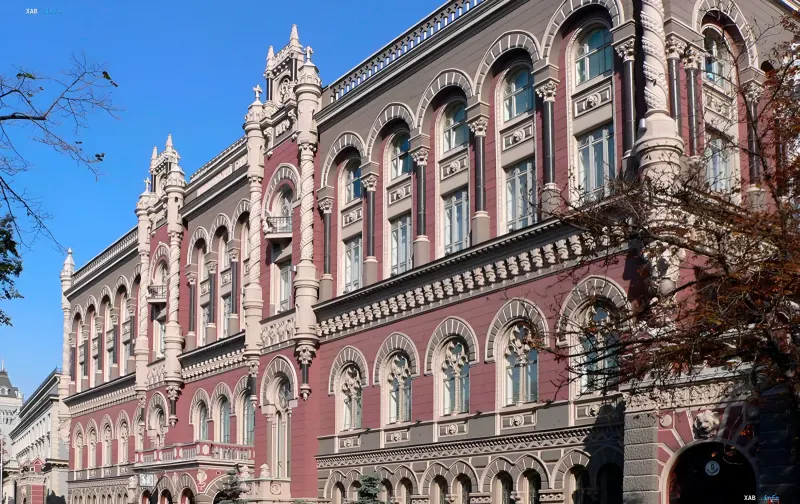
The National Bank's decision to raise the discount rate from 15.5% to 16% has become a crucial signal of how the country's main financial regulator assesses economic risks for the coming months. Autumn challenges, including ongoing threats and attacks on critical energy infrastructure, as well as inevitable increases in business costs, create strong additional pressure on consumer prices and overall market stability.
Preventive Measures Against Inflation
Under conditions where annual inflation shows a tendency to accelerate and businesses are forced to incur colossal expenses for backup power, fuel, and logistics, monetary authorities are forced to act proactively. Raising the rate to 16% is preventive in nature. Its main task is to preemptively curb inflation risks, preventing the national economy from spiraling out of control into a price surge.
Impact on Deposits and Citizens' Savings
For ordinary depositors, this regulatory decision opens up new opportunities to protect their savings from depreciation. Although an automatic jump in all deposit rates should not be expected, the overall yield of hryvnia deposits remains attractive and ranges between 13.5% and 17.5% per annum, depending on the terms and conditions of banking programs. Competition for public capital is intensifying thanks to NBU certificate instruments.
Lending Situation and Partnership Programs
In the lending sector, the situation looks more balanced, as the increase in the discount rate does not mean an instant rise in the cost of all loans for entrepreneurs. Due to the active development of partnership programs between banks and equipment or agricultural machinery suppliers, final business rates are successfully maintained at an acceptable level, minimizing the negative impact of macroeconomic factors.