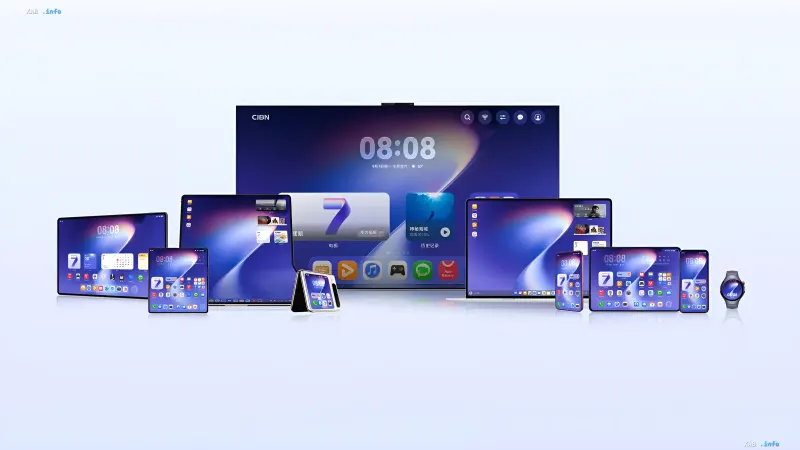
The number of devices running the HarmonyOS operating system has exceeded 99 million. According to a recent report, if current growth rates are maintained, Huawei is on track to surpass the landmark milestone of 100 million installations within the coming week. For the mobile market, which has been almost entirely controlled by two platforms—Android and iOS—over the past decade, this event is of fundamental significance: HarmonyOS has established a third major ecosystem and ranks third globally in popularity among mobile platforms.
The Third Force in the Mobile Market
For many years, competition in the mobile operating systems segment boiled down to a confrontation between Android and iOS, which together covered the overwhelming majority of devices. The emergence of HarmonyOS has altered this structure, creating an independent alternative capable of supporting tens of millions of active devices. For Huawei, this is not just a marketing figure: the scale of the ecosystem determines how attractive the platform appears to app developers and end-users, and long-term positioning depends precisely on this.
An Independent Software Platform Free of AOSP Compatibility Layers
The significance of HarmonyOS for Huawei extends far beyond the number of installed devices. The company is consistently developing its own software platform—from the kernel and programming language to the compiler and development tools. A fundamental step was taken in the current version, where developers abandoned the AOSP compatibility layer upon which previous iterations of HarmonyOS were built. This means the platform relies less and less on the Android legacy and increasingly on its own technological solutions.
Component Localization and Expansion Beyond Consumer Devices
The development of the platform also stimulates the use of proprietary components from Huawei and other Chinese manufacturers—Kirin processors, memory, displays, and native applications. Thus, the growth of the ecosystem closes the technological circuit within the company and its partner network. At the same time, HarmonyOS is not limited to smartphones and other consumer electronics: the open-source version of the system is used to create industrial solutions, including in energy and manufacturing, expanding its role far beyond the consumer market.
An Intermediate Milestone: What's Next
At the same time, reaching the 100 million device mark will be merely an intermediate result. Further development of the ecosystem will depend on application quality, developer interest, and seamless interaction between various devices within a unified environment. The installation count alone does not guarantee that HarmonyOS can compete on equal terms with Android and iOS. Therefore, the next stage—turning a quantitative advantage into sustainable user experience quality and a robust developer environment—will serve as a key test for the platform.