Analytics agency Counterpoint Research has published data on the global smartphone market for the third quarter of 2026, recording a notable shift in the balance of power among operating systems. Android's global market share dropped to 74% from 79% a year earlier—the lowest third-quarter figure in recorded history. Against this backdrop, the positions of iOS and HarmonyOS strengthened, signaling the gradual erosion of the Google platform's long-held monopoly.
Android's Historical Low and General Market Dynamics
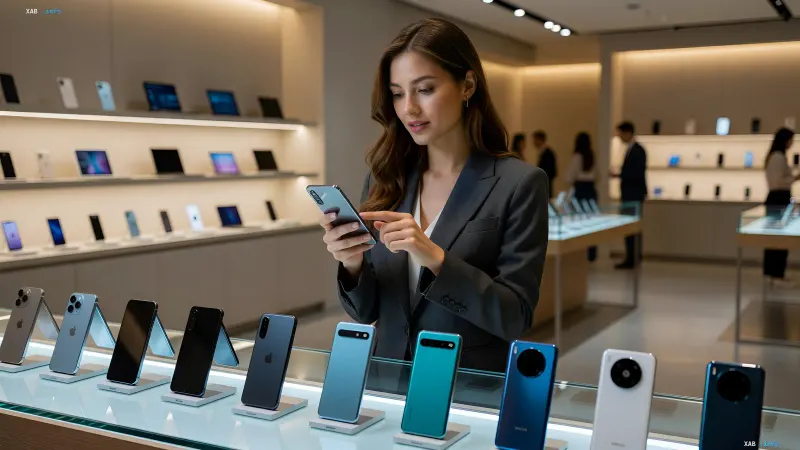
The decline in Android's share is taking place against a broader market downturn, with global smartphone sales falling by 16% year-on-year. According to Counterpoint Research, a key limiting factor was the shortage of RAM. Budget device manufacturers faced component shortages, while prices for finished goods rose in the higher-end segment. Android's widespread presence across all price categories—from ultra-budget to flagship—made the platform particularly vulnerable to the overall slump in demand, as it suffered simultaneously in both the lower and upper price ranges.
iOS Record High and Demand for iPhone 18 Pro
In contrast, iOS's share increased from 17% to 21%, a record result for the third quarter. iPhone sales grew by 2% year-on-year, which, amid a 16% overall market decline, represents a notable defiance of the trend. Analysts note that the iPhone 18 Pro series proved more in demand than its predecessors despite price hikes, pointing to resilient demand in the premium segment and strong loyalty to the Apple ecosystem audience.
HarmonyOS and Huawei's Growth in the Chinese Domestic Market
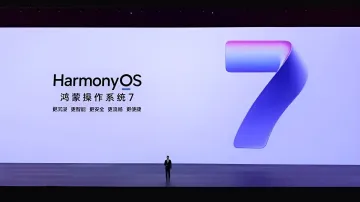
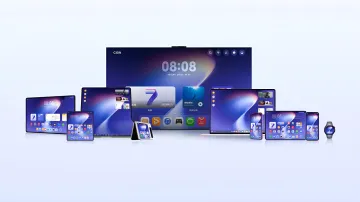
HarmonyOS maintained 5% of the global market, but its share in China rose from 17% to 22%. Huawei's domestic sales increased by 12%, while the broader Chinese smartphone market shrank by 10%. Thus, the company is reclaiming ground driven by overall market contraction and heightened local demand for its own devices. At the same time, Counterpoint Research warns that September price hikes on Huawei devices could slow the platform's further growth.
What This Means for the Market
The combined data indicates that the smartphone market in the second half of 2026 is undergoing a structural rather than merely cyclical shift: memory shortages and rising prices are hitting the mass market, where Android has historically dominated, while premium ecosystems (iOS) and local platforms (HarmonyOS in China) demonstrate relative resilience. Future dynamics will depend on how quickly RAM supplies normalize and how manufacturers respond to the redistribution of demand across price categories.