Hellebore (Helleborus) is one of the few garden plants capable of blooming even in the cold season, but autumn care determines whether it will survive until spring flowering. According to Styler (a project by RBC-Ukraine), November is a crucial month for preparing hellebores for winter: improper pruning, waterlogging, or late fertilization can damage the bush. Below is a summary of recommendations based on advice from the Royal Horticultural Society (RHS) and North Carolina State University specialists.
Pruning in November: What You Can and Cannot Do
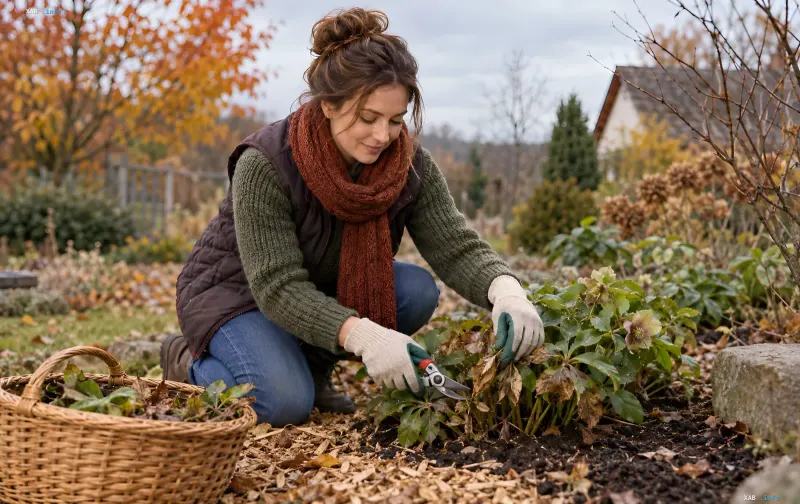
November is suitable for removing old leaves from eastern hellebore hybrids (Helleborus × hybridus). According to RHS recommendations, such pruning reduces the risk of fungal diseases and frees up space for future flower stems. However, completely pruning other types in autumn is not recommended: in stem-forming hellebores, flowers form on the shoots, and removing them will deprive the plant of blooms. If the variety is not precisely identified, it is safer to limit pruning to diseased and damaged leaves only.
Soil Moisture and Mulching
Hellebores prefer moderately moist soil, but stagnant water at the roots leads to rot. Specialists at North Carolina State University advise monitoring soil moisture even in winter, especially during periods without rain or snow, and paying special attention to potted plants since container soil dries out faster. Mulching with well-rotted compost, leaf mold, or shredded bark helps retain moisture, smooth out temperature fluctuations, and protect the roots. The mulch layer should be about 5 cm thick, leaving the center of the bush—where young shoots emerge—open: continuous contact between mulch and the base promotes rotting. Before the procedure, weeds and fallen leaves with signs of disease are removed.
Shelter and Winter Hardiness
Most common eastern hybrids tolerate winter well without additional shelter. The exception is the black hellebore (Helleborus niger), which, according to the RHS guide, is particularly sensitive to excess winter moisture: it is better to move a pot with such a plant to a sheltered house wall, ensuring drainage and no water stagnation. Less hardy species, in particular Helleborus lividus, overwinter better in locations protected from severe frosts, such as a cool greenhouse.
Fertilization and Disease Control
In late autumn, hellebores in flower beds generally do not need mineral fertilization: late fertilizers are washed out by winter precipitation. If the plant is developing well, it is enough to mulch the soil with well-rotted compost, which will gradually improve the soil structure; mineral fertilization is best postponed until spring. In autumn, it is important to inspect the leaves, especially after prolonged rains: common fungal leaf spot appears as rounded brown spots, after which the affected tissue falls out, leaving holes. Diseased leaves are removed, cut parts are not left on the flower bed, and pruners are cleaned after work.
Safety Precautions
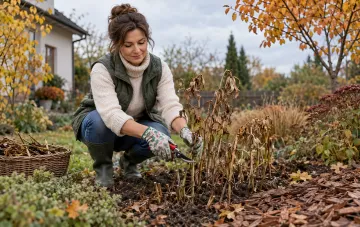
Finally, it is important to remember: hellebore is toxic if ingested, and its sap irritates the skin. Therefore, pruning and any other work with the plant should be done wearing gloves. Following these simple rules—careful selective pruning, moderate watering, mulching without covering the center of the bush, and timely removal of diseased leaves—will allow the hellebore to overwinter successfully and bloom in the cold season.