November is the time when owners of evergreen plants notice unpleasant changes in their Thuja trees: needles turn yellow, brown, and sometimes entire branches dry out. Color changes may occur only inside the crown or spread to outer shoots. According to experts at Oklahoma State University, natural autumn browning is common for Thuja and is linked to the gradual shedding of old scales that turn yellow and fall off. However, not every color change is normal: it is important to distinguish seasonal "upsets" from actual plant damage and take measures before sustained frost arrives.
Natural bronzing vs. signs of real trouble
According to the New York Botanical Garden, some Thuja varieties develop a bronze hue with the onset of cold weather. This seasonal color change is not accompanied by significant needle desiccation, and the green tone returns in spring. Specialists emphasize that if the needles remain flexible and do not crumble, the plant is likely just adapting to the cold. The picture is quite different when needles become dry and brittle, and brown spots spread to young shoots. In this case, it is necessary to carefully examine the plant and determine the root cause.
Main causes of pathological browning
University of Maryland experts point out that moisture deficiency is one of the key causes of browning in evergreens, with the effects of dehydration sometimes only becoming visible in the spring. At the same time, overwatering and waterlogging in the root zone are also harmful. According to the University of Wisconsin, dry soil in autumn, combined with strong winter winds and solar radiation, significantly increases the risk of desiccation for evergreens. Pests and fungal diseases constitute a separate group of causes: according to the Royal Horticultural Society (RHS), some fungal infections are accompanied by the appearance of small black structures on damaged needles. However, diagnosing a disease solely based on color change is impossible; a comprehensive inspection is required.
Four steps for Thuja care in November
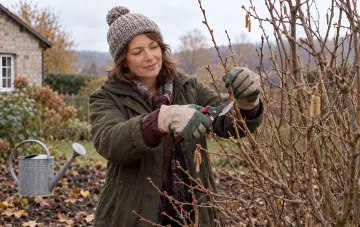
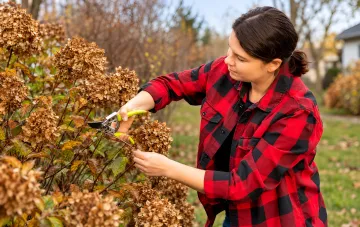
The first and most important step is checking soil moisture. Carefully test the soil at a depth of about 15 cm: if it is dry and there has been no rain, the plant should be watered thoroughly at the roots. Evergreens need sufficient moisture in autumn, and they can be watered until the ground freezes. The second step is mulching: spread a 5–7 cm layer of bark or other organic mulch around the Thuja, leaving about 15 cm of space around the trunk to prevent moisture accumulation. The third step is wind protection. Young and newly planted Thujas are particularly vulnerable to winter desiccation; on exposed sites, it is recommended to install a burlap screen attached to supports, which should not press against the needles. The fourth step is caution with pruning. If needles have turned brown but the shoots are alive, it is better to wait until spring. Obviously broken or dead branches can be removed earlier, but cutting back into old wood should be avoided, as Thuja barely regenerates growth.
Typical November mistakes and when to call a specialist
In November, it is important to avoid several common mistakes: overwatering already wet soil, premature pruning of live shoots, and ignoring signs of a progressing disease. If brown areas spread rapidly across the crown, entire branches dry out, or the plant becomes noticeably weak, you should contact a plant health specialist. The key principle emphasized by all cited botanical institutions is that while natural seasonal bronzing may disappear in spring, fully dried and dead needles will not regain their green color. Therefore, the owner's main task in November is to identify the cause of browning in time and preserve healthy shoots for the next season.