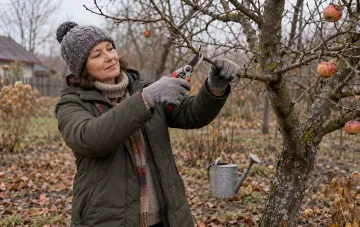
Ahead of the first frosts, gardeners traditionally reach for their pruners: they remove dry inflorescences, thin out bushes, and tidy up the garden. However, as experts remind us, autumn pruning is not a universal procedure: for some ornamental shrubs, it is not only useless but can also deprive them of spring flowering or weaken them before winter. Styler, citing recommendations from the Royal Horticultural Society (RHS), explains which plants are best left alone until spring and when is the right time to shape their canopies.
Why Autumn Pruning Is Dangerous for Certain Shrubs
The need for autumn pruning depends on the plant species, its flowering schedule, and where its flower buds are formed. Many ornamental shrubs form buds as early as summer or autumn; these remain on the branches all winter and produce flowers in spring. Shortening these shoots before frosts can cause the bush to bloom noticeably weaker next season or fail to bloom at all. Other plants, conversely, winter better with old stems and dry inflorescences: they partially protect young buds, trap snow, and serve as shelter for beneficial insects. Evergreen plants require special attention—heavy pruning right before cold weather disrupts the balance between the root system and the above-ground part of the bush.
Hydrangeas: One Bush, Multiple Rules
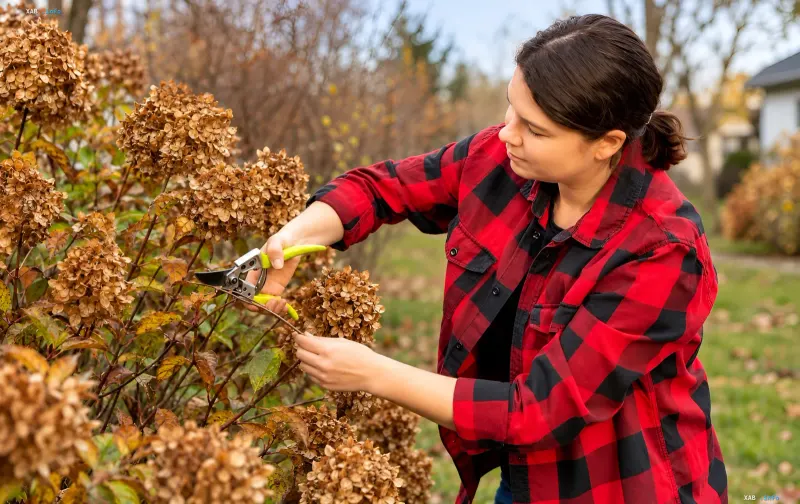
Hydrangeas often suffer from improper pruning, but the approach varies depending on the species. For most varieties of bigleaf hydrangea, flower buds form on previous year's shoots, so heavy autumn trimming of the branches can leave the bush without summer flowers. RHS experts advise leaving dry inflorescences of bigleaf hydrangeas on for the winter—they partially protect the buds from frost; it is better to prune them back to the first pair of healthy buds in spring, once the threat of severe cold has passed. The situation is different for panicle and smooth hydrangeas: they bloom on current year's shoots and tolerate heavier pruning, but it is preferable to carry this out in late winter or early spring, before active growth begins.
Lilacs and Lavender: No Pruners Ahead of Time
Lilacs set their flower buds long before spring blooming, so trimming them right before frosts is ill-advised: healthy shoots shortened in autumn may lose the buds from which the inflorescences should have appeared. According to RHS recommendations, the best time to shape lilacs is immediately after flowering concludes, when it is sufficient to remove faded inflorescences and, if necessary, slightly shorten branches that disrupt the bush's shape. Heavy pruning of old lilacs should only be done when necessary: it stimulates new shoot growth but often temporarily reduces the number of flowers. Lavender also dislikes late autumn pruning: old woody stems are poor at producing new growth, and cutting too low can ruin the bush's decorative appeal or prevent it from recovering. It is best to shape lavender in late summer, immediately after flowering, removing spent flower spikes and about 2.5 cm of young leafy growth; heavy pruning should be avoided before frosts, and in spring, cold-damaged parts should be carefully removed without touching old wood. Potted lavender requires special attention: its root system is less protected from the cold, making it crucial to provide shelter from frosts and excess moisture.
Forsythia, Weigela, and Other Early Bloomers
Forsythia is one of the first to bloom in spring, even before its leaves unfold, and its flower buds form on previous season's shoots, so heavy autumn shortening significantly reduces the number of yellow flowers. Weigela also predominantly blooms on previously formed shoots, and the main shaping of the bush is best done after the first wave of blooming so the plant has time to grow new branches. For both shrubs, late autumn pruning can remove some of the flower buds; before winter, it is sufficient to inspect them and remove only damaged branches if they pose a problem.
What to Do If the Bush Looks Untidy
If a shrub looks unkempt in autumn, it is safer to limit intervention to sanitary pruning—removing dry, broken, or diseased branches without touching healthy flower buds. This approach preserves decorative appeal and bud setting for the next season without weakening the plant before winter. As gardeners note, some crops finish forming their buds for the coming spring by autumn, and using pruners at this point is effectively equivalent to cutting off spring flowers; furthermore, a warm autumn following pruning stimulates the growth of tender young shoots that fail to harden off and die from the first frosts.