A breakthrough has occurred in the US Senate regarding the tightening of pressure on the Russian economy. Last week, lawmakers supported an initiative by the late Senator Lindsey Graham, dubbed "hellish sanctions" in the press. This document, developed jointly with Democrat Richard Blumenthal, aims to cut off Russia's access to global hydrocarbon markets through a mechanism of secondary tariffs.
The mechanism of "hellish sanctions" and the blow to buyers
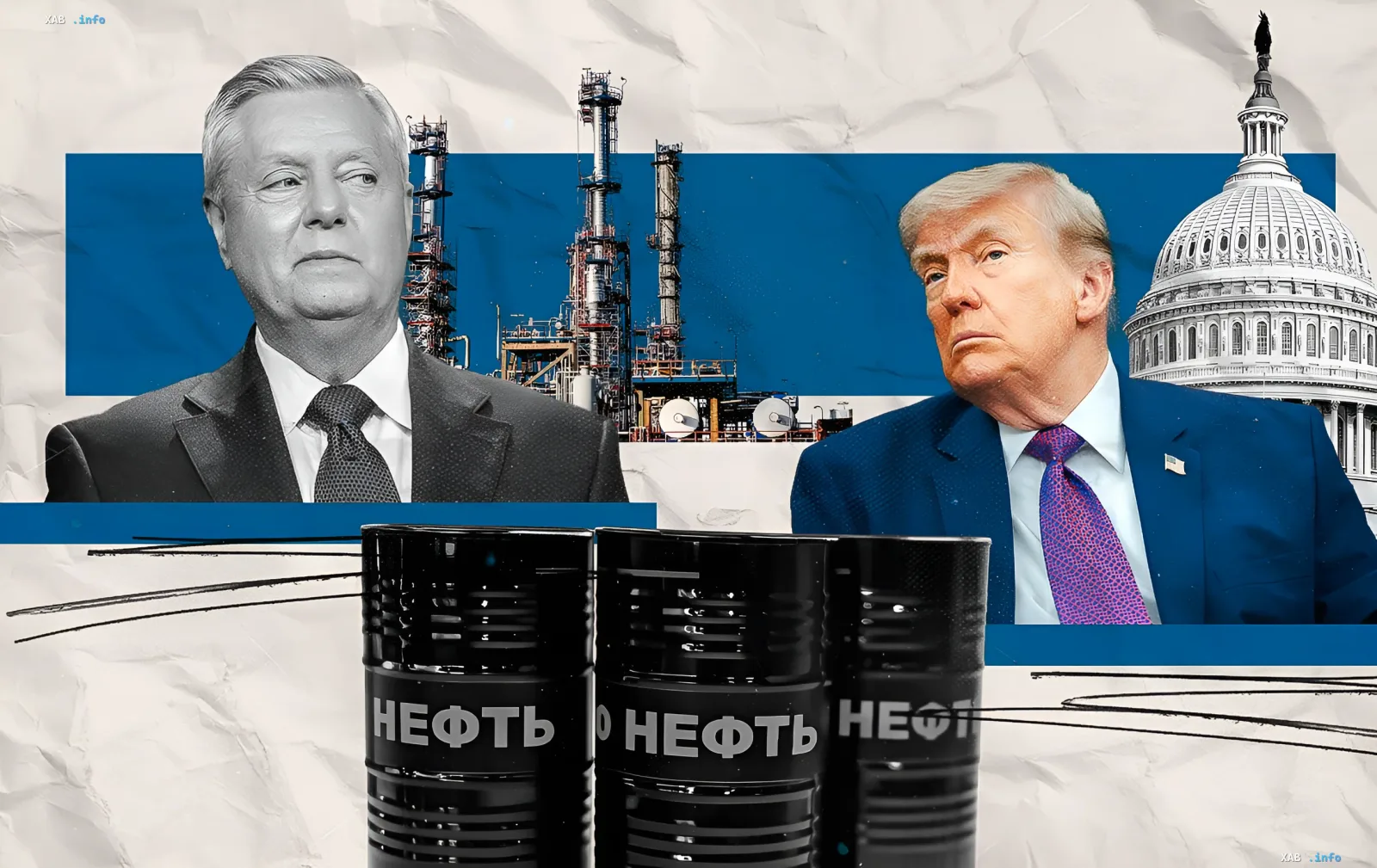
The essence of the bill lies in the introduction of additional tariffs for countries that continue to purchase Russian oil and gas. The main targets are countries that have traditionally been major consumers of Russian energy resources: China, India, and Turkey. The document empowers the US President to impose tariffs against such partners, with a maximum rate that could reach 100%.
In addition to the energy sector, the bill proposes a wide range of restrictions:
- Sanctions against suppliers of the Russian military-industrial complex.
- Restrictions on banks and insurance companies servicing the activities of the "shadow fleet".
- A ban on investments in the infrastructure of the aggressor state.
Experts note that the document significantly increases risks for any financial institutions and traders involved in the turnover of Russian energy resources.
Zelensky's role and the political context
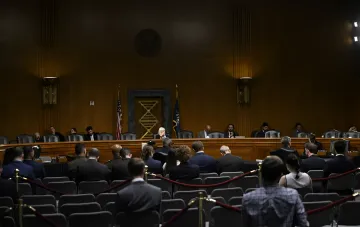
The resumption of the active phase of discussion on the bill coincided with the visit of Ukrainian President Volodymyr Zelensky to Washington. On July 28, the head of the Ukrainian state attended a Senate session where the vote took place, personally urging lawmakers to support the Graham-Blumenthal initiative.
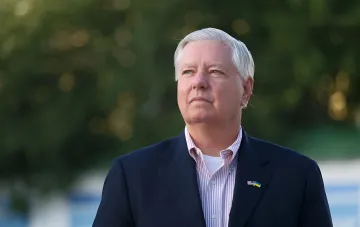
Lindsey Graham, known for his tough stance towards Russia, China, and Iran, was the main ideologue and lobbyist for this project. Donald Trump, speaking at the senator's funeral, called him a "tough nut." Although the initiative was launched back in April 2025, it only received real political momentum now.
The path to adoption: from the Senate to the White House
In the night of July 29, a procedural vote was held in the Senate, which can be compared to the first reading in the Ukrainian parliament. 86 out of 100 senators voted for the project. Political scientist Vladimir Fesenko called this an important first step after a long stalemate.
Next, the bill will go through the stage of amendments and a re-vote. After successfully passing the upper house of Congress, the document must be transferred to the House of Representatives. Since the lower house is currently on recess, consideration will likely begin in September.
A key factor for success is considered to be the support of Donald Trump. The President has already declared his support for the document, which, according to expert Alexander Kraev from the "Ukrainian Prism" center, guarantees support from House Speaker Mike Johnson. This creates a high probability that the law will be signed before the midterm Congressional elections in November.
Political risks and disagreements
Despite optimistic forecasts, the path to adoption is not without difficulties. Some Democrats previously expressed concerns that the bill excessively expands the President's powers in the area of imposing tariffs, which could negatively affect the American economy. Furthermore, there are conservative Republicans from the MAGA wing who are not interested in escalating the conflict with Moscow. However, as analysts note, the current political conjuncture and the support of the head of state outweigh these risks.