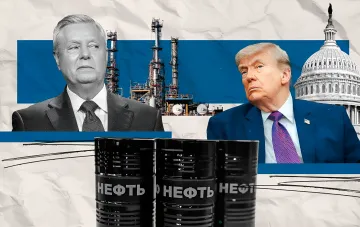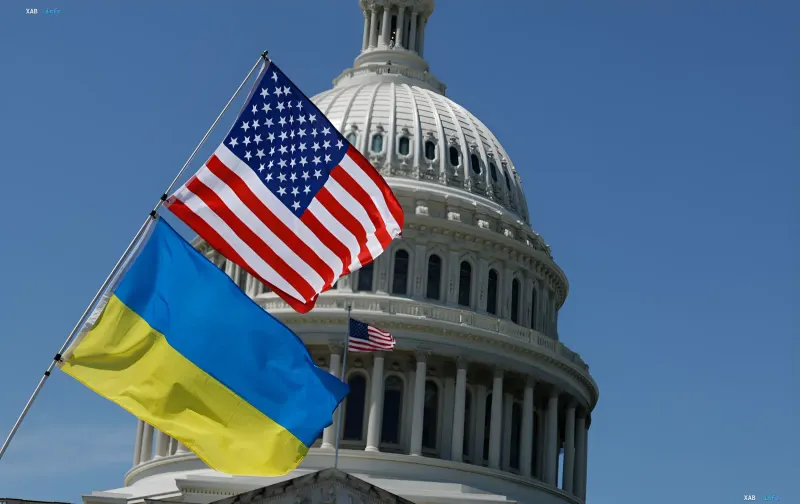
On the night of July 29, an event occurred in Washington that could radically change the economic pressure on Russia. The United States Senate approved a key procedural decision necessary to pass a massive sanctions package known as the "hellish sanctions." The initiative, actively pushed by the late Republican Senator Lindsey Graham, received the green light from lawmakers.
Voting Results and Political Context
The vote concluded with a result of 86 votes "for" and 12 "against." This decision became possible just a few hours after Graham's funeral, whose death was a shock to the country's political elite. Despite the mourning, lawmakers did not postpone important issues. Now, Senate leadership hopes to reach a consensus with all 100 senators to finally pass the sanctions package before the start of the August recess.
However, the path to final approval is not without difficulties. In the American political system, any senator has the right to object, which could significantly slow down the law-making process. Thus, the coming days will be decisive for the fate of this bill.
Zelenskyy's Meeting and a Symbolic Gesture
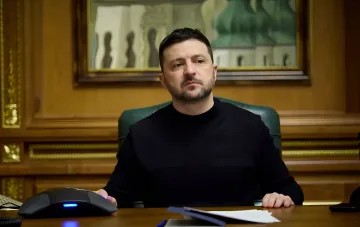
Events in the Senate unfolded against the backdrop of a visit by Ukrainian President Volodymyr Zelenskyy. The meeting of the Ukrainian leader with senators took place shortly before the vote. After the conversation, senators invited Zelenskyy to observe part of the procedure from the chamber gallery.
When the decision was made, Volodymyr Zelenskyy applauded and said: "Thank you." In response, several senators applauded him. This moment became a vivid illustration of the support that Ukraine is receiving from the American legislative body under current conditions.
The Essence of "Hellish Sanctions" and Their Consequences
The package of measures currently undergoing final stages of coordination provides for strict economic restrictions. In particular, the sanctions include the introduction of tariffs of up to 100% against the five largest importers of Russian oil and gas.
Among the countries on this list are India and China. The introduction of such tariffs is aimed at making the purchase of Russian energy carriers economically unprofitable for these states, thereby depriving Moscow of a key source of foreign currency revenue.