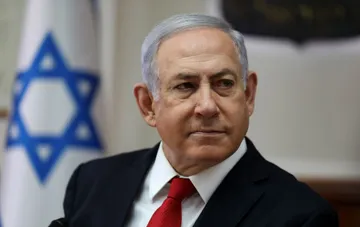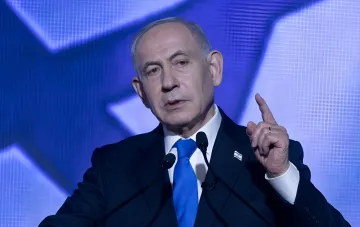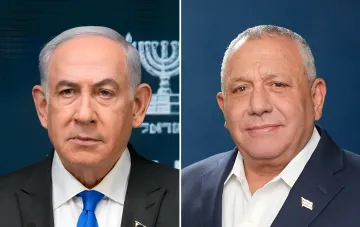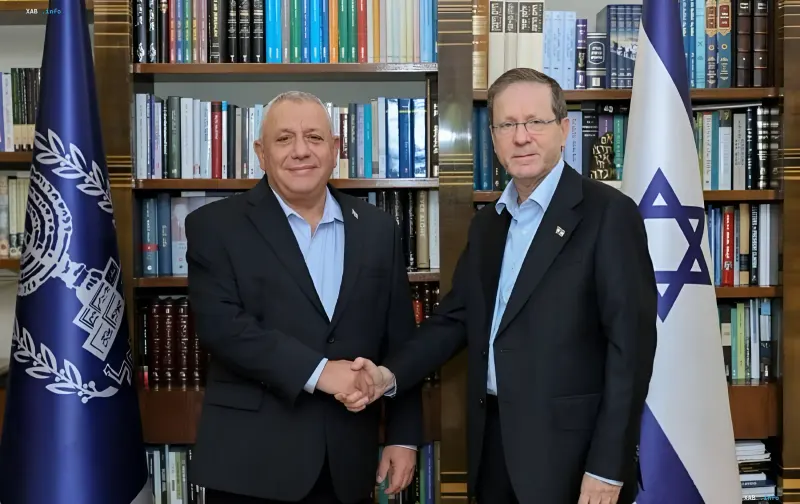
On November 7, Israeli President Isaac Herzog officially announced that he is tasking Yashar party leader Gadi Eisenkot with forming the country's new government. The decision follows political consultations and comes as the next step after the October 27 parliamentary elections, which did not grant any major player a clear path to a majority. The mandate handover ceremony is scheduled for November 8 at 5:00 PM at the President's Residence, after which Eisenkot will have 28 days to form a cabinet.
How the Consultations Went
The President's Residence emphasized that in recent days, the head of state held a series of talks with political system representatives, and personally met with incumbent Prime Minister Benjamin Netanyahu and Gadi Eisenkot. He informed both of his intention to entrust Eisenkot with forming the government. According to media reports, during consultations Eisenkot received 67 recommendations from lawmakers, while Netanyahu received only 46, which predetermined the president's choice.
Mandate Arithmetic and Timeline
Previously, Eisenkot secured the backing of 67 Knesset members to form a new government. His candidacy was supported by all opposition Zionist parties as well as two Arab parties. Formally, Eisenkot will have 28 days to build a coalition, though the president retains the right to grant an extension of up to 14 days. Political commentators estimate that if Eisenkot's attempt fails, Herzog will use all his authority to secure a national unity government.
Eisenkot's Four Conditions
Ahead of the mandate announcement, Eisenkot laid down four clear demands for forming a government, effectively defining key terms for future coalition negotiations. Whether other political forces are willing to accept these conditions will determine if new participants can be brought into the coalition and a stable Knesset majority assembled.
Election Context and Netanyahu's Reaction
Following the October 27 elections, Netanyahu's religious-nationalist coalition lost its majority, although it remained the largest bloc in parliament, while the prime minister himself seeks to retain the premiership. The anti-Netanyahu bloc led by Eisenkot previously refused to unite with Arab parties, yet it was Arab leaders, dissatisfied with the policies of the incumbent prime minister and his far-right allies, who supported Eisenkot's candidacy during consultations with the president. The Yashar party, in turn, accused Netanyahu of hypocrisy after he called for a national unity government.
What This Could Mean for Ukraine
A change in Israel's potential government also matters for the foreign policy track, including support for Ukraine. RBC-Ukraine previously explained what Kyiv stands to gain if the opposition comes to power in Israel. The outcomes of coalition-building under Eisenkot's leadership, as well as what conditions are successfully included in coalition agreements, will determine the future dynamics of Israeli politics and its external consequences.