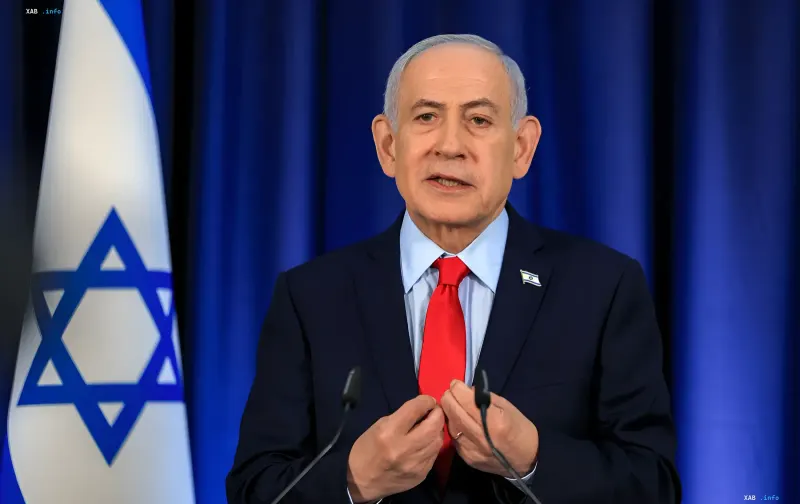
Israeli Prime Minister Benjamin Netanyahu has once again publicly warned of the danger he associates with Iran's nuclear program, declaring the need to "eliminate the existential threat hanging over us once and for all." According to him, Tehran is once again attempting to resume work on creating nuclear weapons and is working anew to restore its nuclear program.
'Existential Threat': Warning About Nuclear Weapons
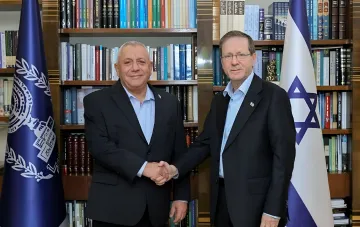
Speaking at an event dedicated to the formation of a new government following a meeting with opposition leader Gadi Eisenkot, Netanyahu emphasized that the Iranian regime—which, in his assessment, aims to destroy Israel—"did not hesitate to kill thousands of its own citizens" and therefore "will not hesitate to use nuclear weapons against Israel" if it succeeds in resuming uranium enrichment and accelerating nuclear weapons development. Thus, the prime minister linked Tehran's potential nuclear ambition to a direct existential danger to the state.
National Unity Government: Betting on an Alliance with Eisenkot
As indicated in the report, the meeting with Gadi Eisenkot only strengthened the prime minister's conviction regarding the need to establish a national unity government. It was in this vein that Netanyahu framed his speech: he presented the security issue concerning Iran as an argument in favor of a broad coalition cabinet capable, in his logic, of consolidating the political spectrum around foreign policy and defense priorities.
Parliamentary Arithmetic: 53 Against 48 Mandates
Following the recent parliamentary elections, Netanyahu's Likud party together with its allies secured 53 seats in the Knesset, Eisenkot's Yashar political force and its allies won 48 mandates, and the Arab coalition took 19. Forming a government requires securing the support of at least 61 deputies, making coalition arithmetic a key factor. Netanyahu expressed concern that Eisenkot might join forces with the Arab coalition to form a government, which the prime minister described as "fragile and dangerous." In this regard, he labeled representatives of the Arab parties as "supporters of terrorism" and previously accused them of having "stolen the election."
International Context: Cessation of Aid and a 'Tough' Conversation with Trump
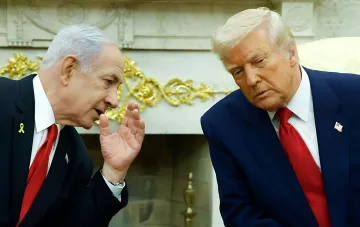
The prime minister's statements came against the backdrop of a tense international agenda. Notably, the Israeli president previously reacted emotionally to the US president's decision to cut aid to the country. Furthermore, according to RBC-Ukraine, Donald Trump and Benjamin Netanyahu held a "tough" conversation that touched upon, among other things, the Iranian issue. The combination of these factors intensifies focus on how Israel will shape both its internal coalition and its foreign policy regarding Iran.