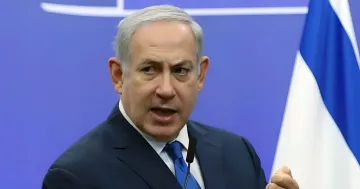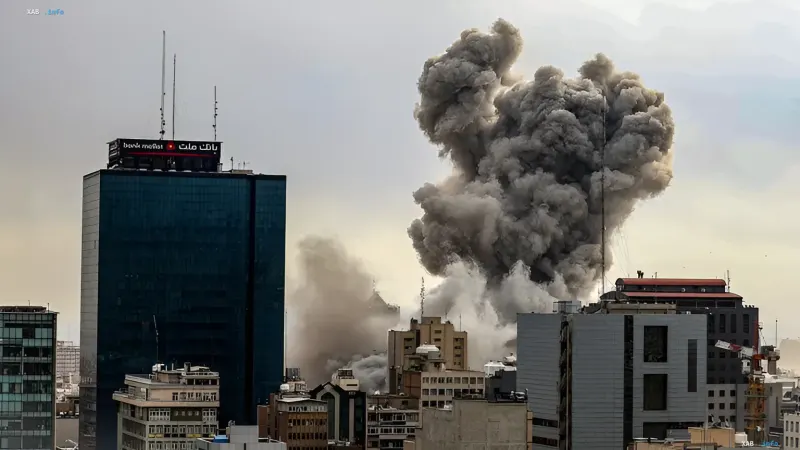
On October 18, Israeli Prime Minister Benjamin Netanyahu, presenting an updated national security doctrine, stated that his country is ready to launch new strikes against Iran without waiting for US intervention. According to him, the Iranian authorities will continue to restore their nuclear and military potential as long as the current government remains in power. «If we need to act alone, we will act alone,» Netanyahu stressed, signaling Tel Aviv's readiness for independent military operations.
A doctrine prioritizing offense over defense
The Prime Minister cited Israel's previous campaign against Iran and reiterated that he told US President Donald Trump of his readiness to attack Iran «by any necessary means,» inviting Washington to join a strike on the nuclear facility in Fordow. Netanyahu views the new attacks as part of a broader doctrine in which offensive actions are brought to the foreground and placed above defensive ones. He also reiterated that US and Israeli strikes prevented Iran from acquiring an atomic bomb, despite Tehran's repeated assertions about the peaceful nature of its nuclear program and denials of seeking nuclear weapons.
Regime change as «unfinished business»
Netanyahu characterized further actions against Iran as unfinished business, effectively outlining the overthrow of the Iranian government as the ultimate goal. «We are working diligently, and we will succeed,» the Prime Minister stated. Thus, Tel Aviv's public rhetoric goes beyond strictly defensive statements and formulates a political goal of regime change in Tehran.
Context: war, negotiations, and economic consequences
The statements came against the backdrop of ongoing indirect negotiations regarding the war launched, according to a source, by the US and Israel against Iran in February. Israel, a major recipient of US military aid and weapons, justifies its attacks on security grounds, even as the conflict spreads across the region. According to the publication, this has disrupted shipping through the Strait of Hormuz and led to a rise in global energy prices.
Iran's position
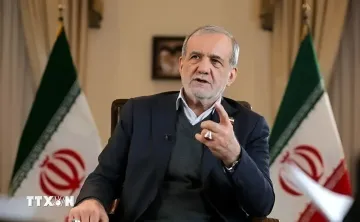
Iran, in turn, consistently states that its nuclear program is exclusively peaceful in nature and denies seeking to build nuclear weapons. Tehran's authorities diverge from the assessments of Tel Aviv and Washington regarding the nature and goals of the strikes conducted against them. The opposing formulations of the parties persist against the backdrop of ongoing indirect contacts aimed at resolving the conflict.