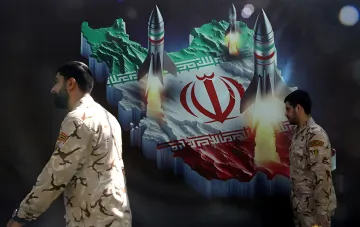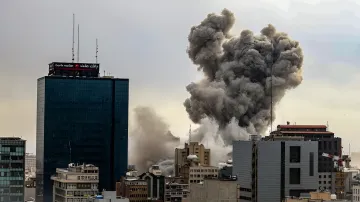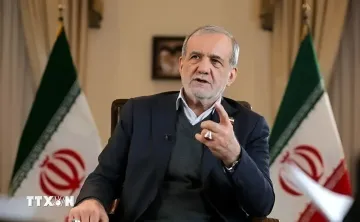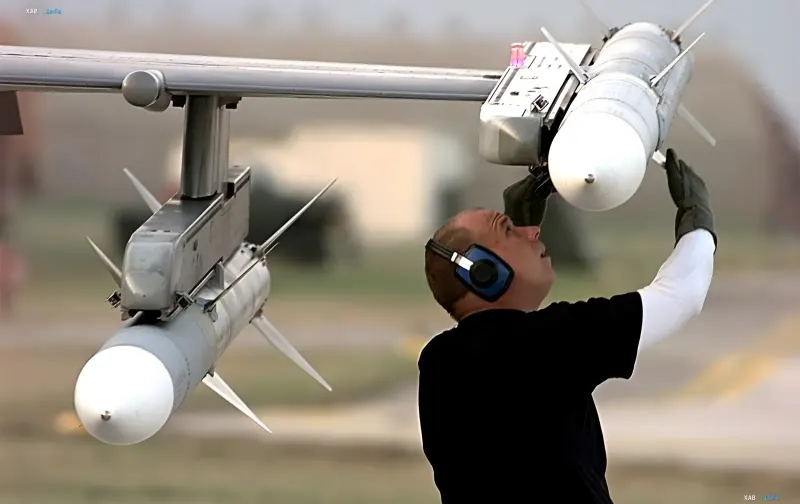
According to Axios, citing American and Israeli officials, Washington and Jerusalem have developed a plan for massive airstrikes against Iran. The list of potential targets includes nuclear program facilities, energy infrastructure, and, according to some reports, locations of the country's top leadership. The new wave of bombings is expected to begin shortly after the US midterm congressional elections scheduled for November 3, 2026. The duration of the military operation is estimated at approximately one week.
Military Coordination: Zamir and Cooper Meeting
A key event in preparing the joint operation was the visit of Israel Defense Forces Chief of General Staff, General Eyal Zamir, to the US Central Command (CENTCOM) headquarters. On Monday, October 26, he held talks with CENTCOM Commander Admiral Brad Cooper. According to sources, the sides coordinated details of joint actions at the meeting, including logistics, target areas, and the coordination procedure for aviation and air defense systems. Concurrently, The Wall Street Journal reported that the American side had notified several Persian Gulf nations in advance about the likelihood of a short-term conflict resuming with Iran after the US election cycle concludes.
Diplomatic Track: Mediators and Uncertainty
Despite active military preparations, the diplomatic channel formally remains open. On Wednesday, October 28, US President Donald Trump stated in a brief interview with Axios that negotiations with Tehran are underway through intermediaries, though he expressed doubt about their successful outcome. According to the publication, Qatar plays the primary role in mediation efforts, supported by Saudi Arabia, Pakistan, Egypt, and Turkey. Axios emphasizes that the military scenario can only be canceled if Washington and Tehran reach an agreement at the last moment — effectively before the operation begins.
Netanyahu's Position and Regional Risks
Israeli Prime Minister Benjamin Netanyahu hinted at a potential resumption of hostilities against Iran in recent statements. According to him, Israel and the US have been given a "unique opportunity" to deal a crushing blow to Iran. Such rhetoric, against the backdrop of assembling aviation groups and warning regional allies, heightens tensions across the Middle East. For the Persian Gulf states, whose economies critically depend on the stability of strait transit, even a short-term conflict carries direct economic and infrastructure risks. At present, neither side has announced the definitive cancellation or launch of the operation, and the situation remains in a holding pattern awaiting the midterm congressional election results.