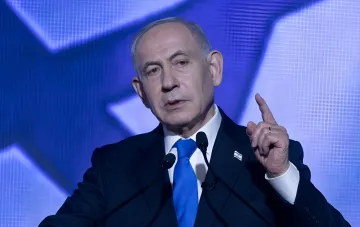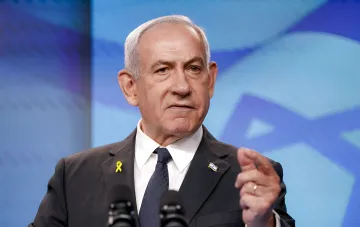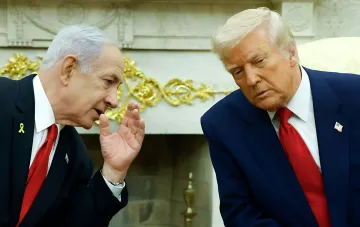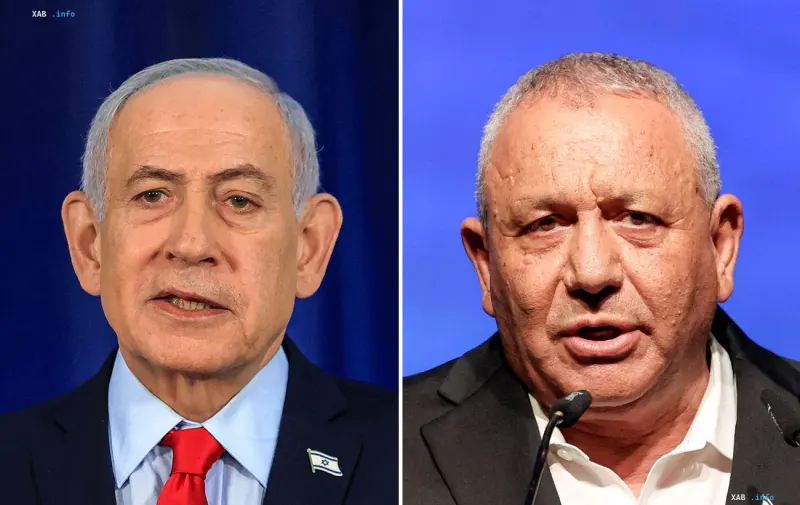
The parliamentary elections in Israel concluded without a decisive victory for either political camp, leaving the country facing the threat of a repeat vote. Neither Prime Minister Benjamin Netanyahu's right-wing religious bloc nor the opposition centrist forces managed to secure the 61 mandates required to form a stable cabinet. This was stated by military observer Sergei Auslander in an interview with RBC-Ukraine.
Political Deadlock and the Arab Factor
According to the analyst, the election results once again highlighted a deep split in Israeli society, which is divided roughly in half. Benjamin Netanyahu's bloc holds only a preliminary advantage of 53 mandates against 49 for the opposition, ruling out the possibility of an easy coalition formation. Sociologists' expectations of a confident success for the opposition forces and Gadi Eisenkot's party did not materialize due to their lack of a constructive program.
The biggest surprise of the electoral campaign was the success of Arab parties, which cumulatively won about 18 mandates. Since leading Jewish political forces of the center-right spectrum flatly refuse to include them in the future coalition, the political system has become paralyzed. In Auslander's view, the entire electoral struggle was built on mutual intimidation of voters rather than real proposals for overcoming the crisis.
Future Scenarios and the Inevitability of Escalation with Iran
In the current situation, the expert identifies two main paths: long and difficult negotiations on a national unity government or a transitional government led by Netanyahu and quick repeat elections. At the same time, the internal political crisis does not cancel foreign policy threats. The military observer emphasizes that a direct and full-scale clash with Iran is only a matter of time.
The main goal of Israel's current leadership remains the elimination or collapse of the Iranian regime, which should radically change the balance of power in the security region. For Benjamin Netanyahu, this cadence could be his last, and he intends to go down in history as the leader who solved the country's main existential problem. Meanwhile, the Ukrainian-Israeli track will remain frozen in the public sphere due to the priority of internal fronts.
Significance for the Region and the International Agenda
Political turbulence in Israel directly affects overall stability in the Middle East, where the army continues to conduct operations in Gaza, Lebanon, and Syria. The country's leadership is concentrated exclusively on ensuring its own security, pushing foreign policy maneuvers in other directions to the background. Practical cooperation with intelligence agencies of foreign countries remains, but it will not move into the public plane.
Further developments will show whether Israeli political heavyweights can overcome differences for the sake of forming a temporary cabinet. However, most experts agree that the country cannot avoid another electoral cycle. Against this background, the Israeli leadership continues to prepare for a decisive confrontation with Tehran, which will determine the fate of the Middle Eastern region for decades to come.