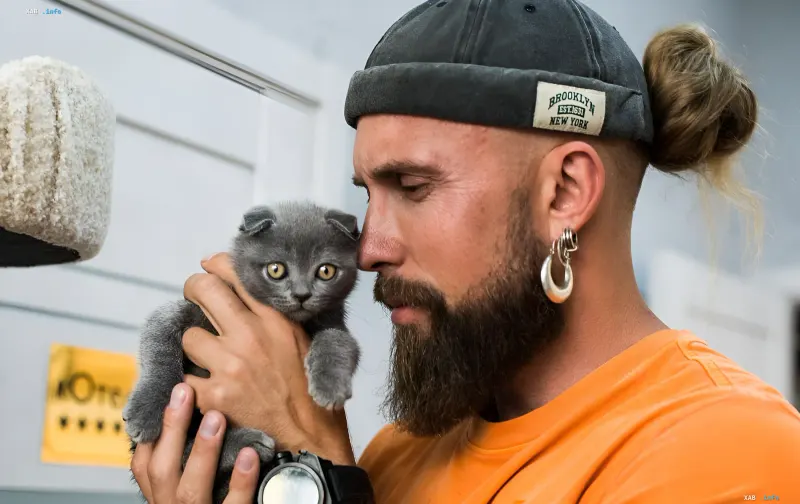
Outwardly level, "calm" behavior of a cat or dog during sirens and explosions does not always mean the animal is not suffering. As noted in the lifestyle project WAVE (RBC-Ukraine), a pet may remain motionless and show no clear signs of panic, while inside, anxiety is building up. For the owner, this is dangerous because stress is easy to overlook until it manifests as behavioral disruptions or health problems.
Why a "calm" pet may be stressed
Animals do not always express fear the way humans do: it is not necessarily about squealing or trying to escape. Hidden stress often manifests through more subtle signals — freezing, flattened fur, dilated pupils, frequent licking, loss of appetite, seeking shelter, or, conversely, intrusive closeness to the owner. This is why a calm posture during an alert should not be taken as a guarantee of well-being: it is important to observe behavior in dynamics and compare it with the usual habits of the specific animal.
An "emergency kit" for pets: basic content
The project materials also discuss the preparation of an "emergency kit" for a pet — a set of items that allows you to move the animal quickly and safely if necessary. Basic items that experts recommend preparing in advance usually include: documents and a veterinary passport with vaccination records, a supply of food and water, necessary medicines, a carrier or collar with a leash, as well as an object with a scent familiar to the animal and a favorite toy to reduce anxiety in an unfamiliar environment. The key idea is to pack everything before a crisis occurs, not in a moment of panic.
How to reduce anxiety during sirens
Practical help for a pet is built on predictability and safety: a pre-prepared quiet place, familiar scents, limiting loud noises, and the calm presence of the owner help the animal to "ground" itself. It is important not to punish the animal for showing fear and not to ignore its signals, and if there are persistent changes in behavior, to consult a veterinarian or an animal psychologist. Thus, taking care of a pet during an alert becomes part of the overall culture of safety, rather than a last-minute improvisation.