October 15 holds a special place in the global calendar, bringing together vital social initiatives, professional holidays, and momentous historical milestones. On this day, society traditionally focuses on issues of gender equality in the agricultural sector, the strengthening of the family institution, and recalls key events in diplomacy and geopolitics of the past century that shaped the modern map of the world.
International and Social Initiatives
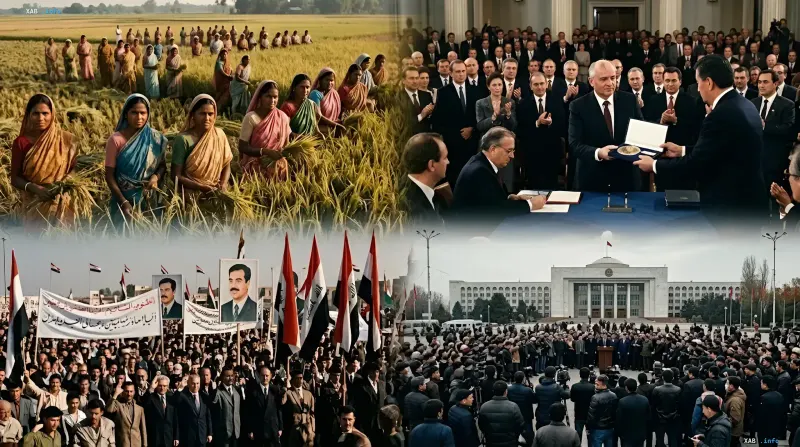
One of the key dates of this day is the International Day of Rural Women, established at the initiative of the United Nations. This holiday aims to highlight the colossal yet often underappreciated contribution of women living in rural areas to ensuring global food security, developing sustainable agriculture, and maintaining traditional lifestyles. Concurrently, several countries celebrate Father's Day, aimed at enhancing the social role of men in child-rearing and strengthening traditional family values.
Milestones in Diplomacy and Education
The historical chronicle of October 15 is rich in events that defined the development of the science of international relations. For instance, in 1943, at the height of World War II, the Moscow State Institute of International Relations (MGIMO) was officially founded. The creation of this university was a strategic response to the state's need for top-tier diplomats and international specialists who would shape the new architecture of the post-war world.
Political Upheavals and Crises
Many events of this day are linked to radical transformations of political regimes and state governance. In 1990, the first and last President of the USSR, Mikhail Gorbachev, was awarded the Nobel Peace Prize for his significant contribution to the peaceful end of the Cold War. Five years later, in 1995, Saddam Hussein won another referendum in Iraq, consolidating his autocratic power. In modern history, a striking example of political crisis was the voluntary resignation of Kyrgyz President Sooronbay Jeenbekov in 2020 amid mass protests in Bishkek, which prevented large-scale bloodshed.
Contradictory Data
When analyzing historical dates of October 15, researchers frequently encounter discrepancies in the interpretation of certain leaders' roles and the official statistics of past referendums. Specifically, the assessment of the results and legitimacy of the 1995 Iraqi referendum differs significantly between Western and Eastern sources: while official Baghdad reported near-100% turnout and unanimous support, independent observers and human rights organizations pointed to an atmosphere of total pressure and the lack of a real alternative.