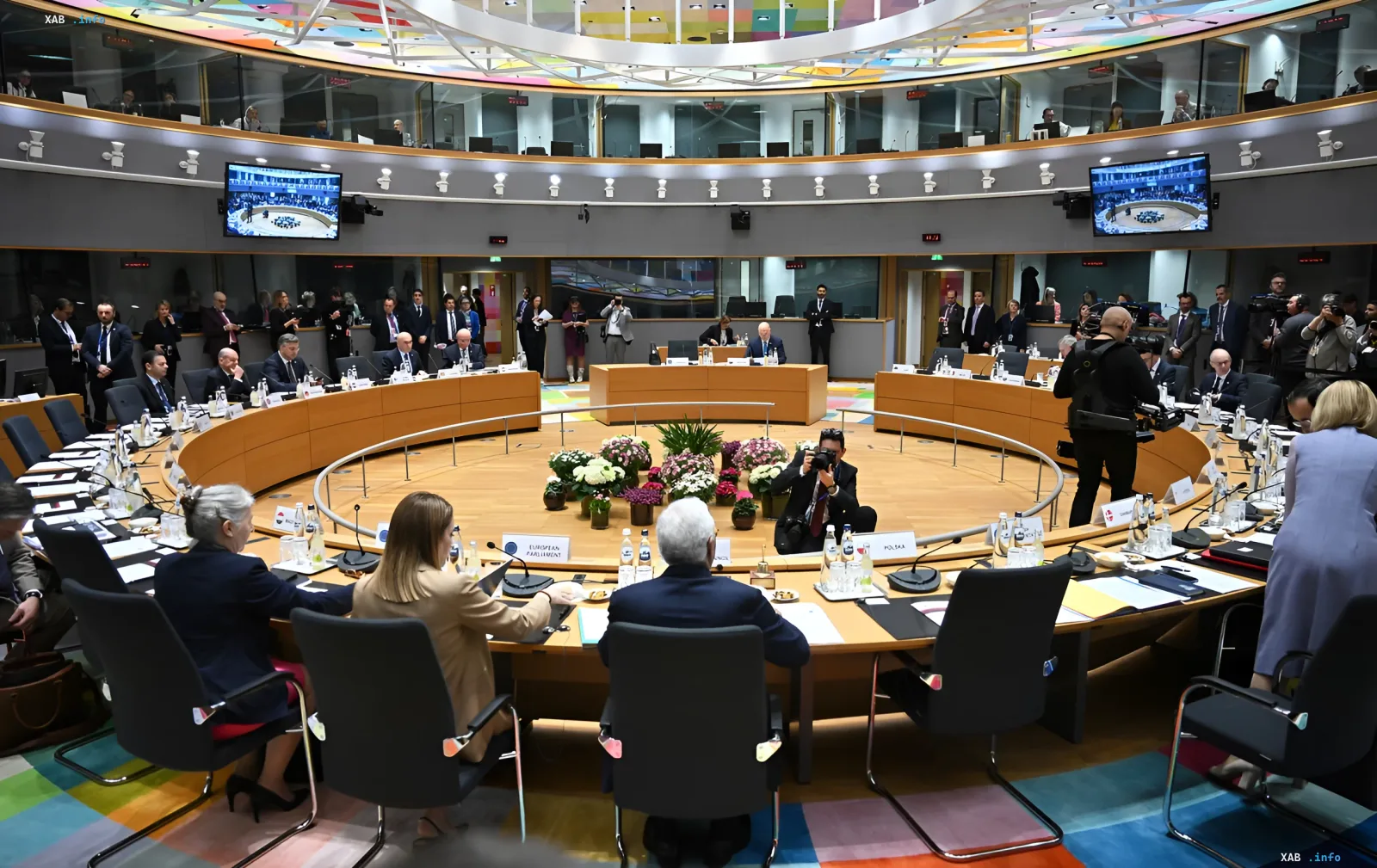
Ukraine's path to the European Union is hindered by the strict rule of consensus: opening negotiation clusters requires the unanimous consent of all member states. This means that even one neighbor with grievances can block the process. Amidst current geopolitical tensions, the risks of such blockages remain high, and the list of potential "brakes" is growing.
As noted by Snejana Dyachenko, an analyst at the Ukrainian Centre for European Policy, the most tangible obstacles arise where a candidate country and an EU member have unresolved bilateral issues. In this context, Poland takes center stage.
Historical "Split" and the Heroes Dispute
Relations between Kyiv and Warsaw, traditionally considered a strategic partnership, have recently intensified over historical issues. The culmination of this conflict occurred in the summer of 2026, when relations were overshadowed by a dispute over naming one of the units of the Armed Forces of Ukraine after heroes of the UPA.
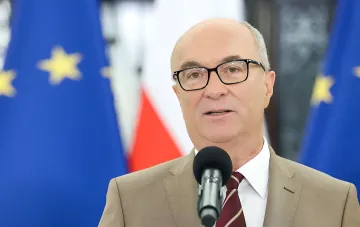
Warsaw's reaction was immediate and harsh. The Polish Minister of Defense stated directly that Ukraine would face serious problems joining the EU if it does not renounce honoring figures from the OUN and UPA. This statement demonstrates how sensitive the issue of historical memory has become for the Polish political establishment and how it can be used as a lever of pressure in negotiations.
Economic Factor: Grain and Competition
Aside from history, agriculture remains a major stumbling block. Ukraine is perceived by many European farmers, including Polish ones, as a direct competitor. A vivid example of this tension was the large-scale farmer protests in 2023, which were against the duty-free import of Ukrainian grain.
Economic competition in the agricultural sector has created a persistent block of skeptics in Brussels, who fear that opening borders to Ukrainian products will strike a blow to local producers.
Myths About Money and the Task of Diplomats
A separate challenge for Ukrainian diplomats is fighting false perceptions among European voters. There is a widespread myth that Ukraine's accession will lead to a reduction in payments under cohesion policy and the Common Agricultural Policy for current member states. Many are convinced that a significant portion of funds will allegedly be "absorbed" by Kyiv.
European economic experts have repeatedly refuted these claims, yet the topic remains acute. Ukraine's diplomatic corps has a huge task ahead to explain the real situation and the benefits of expanding the Union.
Searching for New Security Formats
Parallel to EU accession issues, the topic of security is also being actively discussed. In an interview with RBC-Ukraine, US State Department representative Ian Beithson stated that the NATO summit in Ankara did not make a separate decision on Ukraine's membership, although a significant part of the negotiations was dedicated to this country.
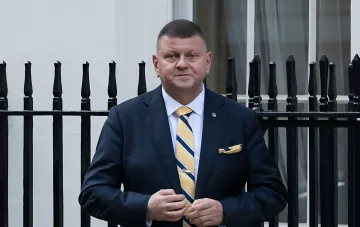
Nevertheless, Ukrainian diplomacy is beginning to seek alternative paths. Ukraine's Ambassador to the UK, Valeriy Zaluzhny, criticized the idea of joining NATO in its current format. In his opinion, Kyiv should focus on creating new defense alliances, specifically on forming a European security bloc, which could become a more flexible tool for protecting sovereignty.