Historical Truth as Currency for EU Accession
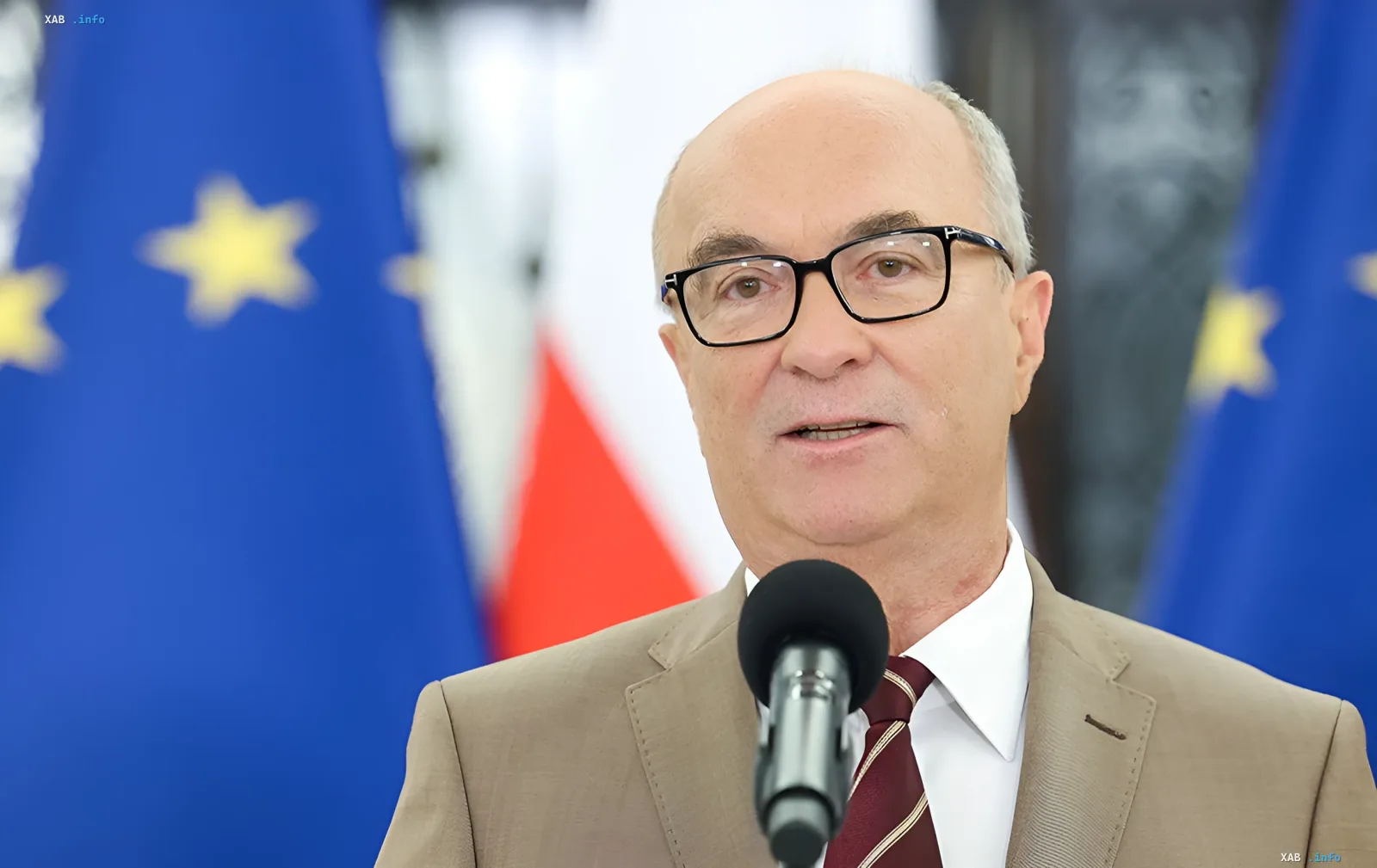
Amidst the ongoing military conflict and complex geopolitical situation, relations between Poland and Ukraine remain a focal point for European politicians. On August 10, 2026, a stern statement by Włodzimierz Czarzasty, Marshal of the Polish Sejm, was made public, outlining critical conditions for Ukraine's integration into the European Union. The politician emphasized that EU accession is not merely about access to financial funds, but about adopting common democratic values and historical truth.
During a visit to a summer camp in the Polish town of Szczawnica, where Ukrainian children affected by the war are staying, Czarzasty stated that "the European Union is about democracy and values, not just an 'ATM'". A key aspect of this statement was the demand for Ukraine to officially recognize and name the events of the Volhynian tragedy of 1943 as genocide. "This is history, and no nation can escape history," the Polish parliamentarian stressed, pointing out that rethinking historical aspects is a mandatory step for Kyiv.
Economic Reality and Social Tension
Besides historical issues, Czarzasty also addressed the topic of current economic integration, which forms the basis of Polish-Ukrainian relations. He noted that Ukrainian citizens play a key role in Poland's economy: "5% of all workers in Poland are Ukrainians, and they contribute 2.7% to the country's GDP". These figures testify to the deep interdependence of the two states.
However, as the Marshal noted, this integration is accompanied by serious challenges. Poland is experiencing social tension caused by a crisis in bilateral relations. Czarzasty condemned "any bad behavior, both by Poles towards Ukrainians and Ukrainians towards Poles," calling on both sides to exercise restraint and engage in dialogue. He emphasized that without a safe Ukraine, there can be no safe Poland, which is a fundamental principle of Warsaw's foreign policy.
Contradictory Data
An analysis of the situation reveals certain contradictions in approaches to historical issues. On the one hand, the Polish side insists on the official recognition of the Volhynian tragedy specifically as genocide, which is part of their internal agenda and requirements for partners. On the other hand, the Ukrainian side, while recognizing the tragedy and the victims, often uses formulations that do not always align with the Polish interpretation, causing diplomatic friction. At the same time, Polish authorities are offering assistance in organizing elections in Ukraine, indicating a desire for practical cooperation despite ideological disagreements.
Practical Assistance and Future Cooperation
Despite the stern statements, Poland continues to demonstrate readiness for practical support of Ukraine. Czarzasty reported that Warsaw has offered assistance in organizing upcoming presidential or parliamentary elections in Ukraine. This refers to providing legal and logistical support, which indicates Poland's desire to strengthen Kyiv's democratic institutions.
Furthermore, on August 7, 2026, exhumation work concluded in Volhynia on the territory of the former villages of Ostrovky and Wola Ostrowiecka. Ukrainian and Polish specialists jointly raised the remains of residents who died in August 1943. This event became a symbol that, despite political disagreements, work on historical memory continues, and both sides are ready for joint efforts in this direction.