The Ministry of Finance of Ukraine has officially called on the leadership of the European Union to utilize frozen sovereign assets of the Russian Federation to cover the country's critical budgetary and military needs. According to Ukrainian forecasts, the state's financial deficit in 2027 could reach a record 78 billion dollars, requiring unprecedented and urgent decisions from international partners amid the ongoing full-scale war.
Financial Challenge of 2027 and the Ministry's Stance
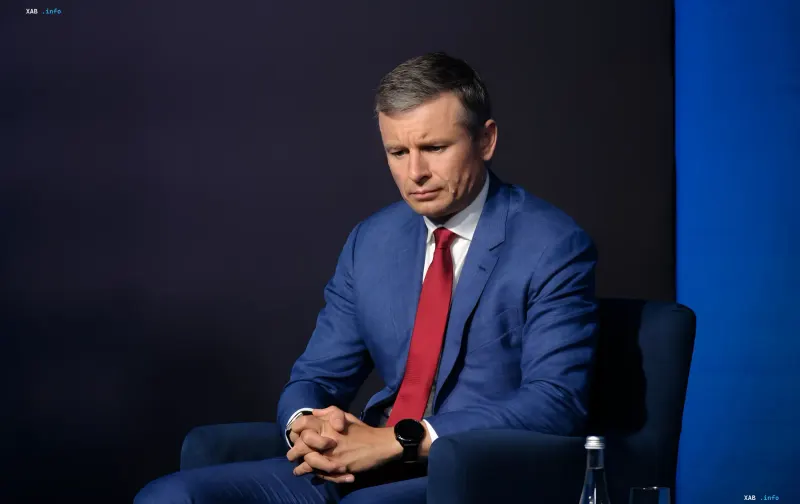
Speaking to European media, Finance Minister Sergii Marchenko emphasized that the prolonged hostilities are depleting Ukraine's domestic resources, leaving the country in desperate need of guaranteed external financing sources. If Western allies fail to increase support, the budget deficit will become uncontrollable. In this regard, Kyiv insists that European politicians show political will and direct immobilized Russian funds toward supporting the Ukrainian army and maintaining macro-financial stability.
Technical Mechanisms and Risks for Belgium
One of the key options discussed behind the scenes in European institutions is transferring frozen assets from the Belgian depository Euroclear to a special custodian structure controlled directly by the European Union. Such a step is designed to minimize legal, economic, and sanctions risks for Belgium, where the lion's share of Russian funds is concentrated. Other formats are also being discussed, but official Kyiv insists on a unified, centralized, and legally sound solution at the level of the entire community.
Scale of the Problem and Brussels' Reaction
According to official data from the European Commission, over 210 billion euros of assets belonging to the Central Bank of the Russian Federation are currently blocked in EU jurisdictions. Previously, Brussels limited itself to transferring extraordinary profits generated from managing these assets, but Ukraine's current requests involve confiscating the assets themselves. Experts note that such measures will require amendments to the EU legislative framework and overcoming institutional divisions among member states.