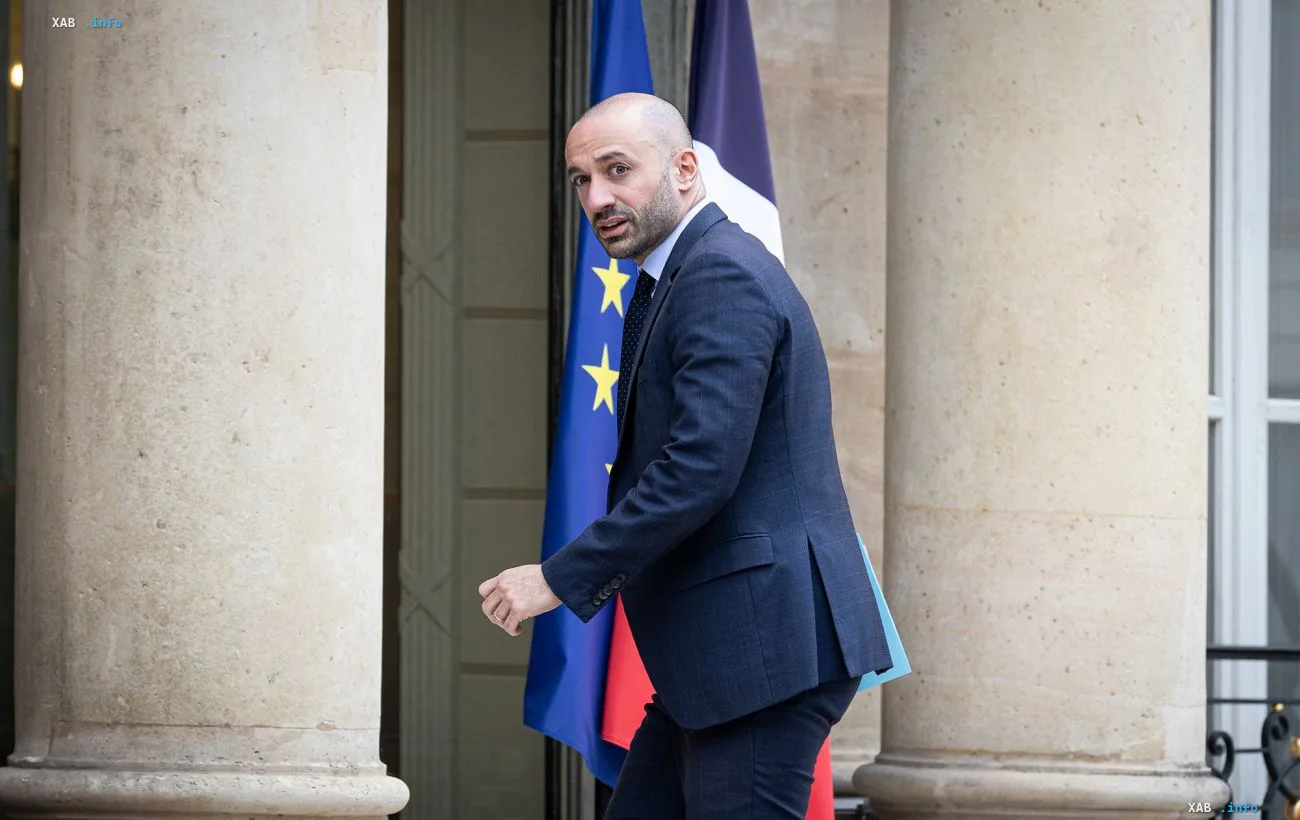
France's Minister Delegate for European Affairs, Benjamin Adda, in an interview with RBC-Ukraine, made a sharp call for the European Union to rethink its approach to economic policy and national security. In his words, the European system is “still too complex and too bureaucratic,” and amid growing pressure from Washington and Beijing, the bloc is undergoing what he called a “strategic awakening.” Adda emphasized that during the upcoming negotiations on the EU budget for 2028–2034, the central themes will be the integration of the single market, the “green” transition, and large-scale investments in space, artificial intelligence, and the defense industry.
Simplifying the Rules: The Draghi and Letta Reports as a Starting Point
The French official noted that large-scale work on simplifying the regulatory framework has already been launched. “We need to simplify our rules, because our system is still too complex and too bureaucratic. And last year we began a large-scale effort to simplify, continuing the work started in the Draghi and Letta reports,” Adda stated. In other words, this is a systemic reform that should reduce the administrative burden on European companies and boost the competitiveness of the internal market on a global scale.
“Buy American” vs. European Naivety
Adda did not hide that Europe had long remained in a bystander position while the US actively protected its own manufacturers by applying the “Buy American” provision. “Europe was naive for a long time,” he noted. As a clear example of the shifting economic balance, the minister cited Germany: a country that had previously actively exported goods to China has moved into a trade deficit over the past two years. That is precisely why, in his words, the EU is forced to strengthen the tools for protecting its companies from unfair competition from both Washington and Beijing.
Defense and Strategic Autonomy: Europe Without the American Umbrella
A separate part of Adda's statement was devoted to security and President Emmanuel Macron's vision of Europe as a force capable of independently defending its own interests. “For the past year and a half, all support for Ukraine has come from Europeans, not from the US. So we have indeed stepped up our assistance to Ukraine, and we need to keep doing so. But this really is a major effort in terms of the security and strategic autonomy of Europeans,” the official emphasized. He noted that over the past years the bloc's countries have already significantly increased their defense spending, yet European states face the task of actively investing in innovation and strengthening their ability to defend themselves at all levels.
The 2028–2034 Budget and the Future of Support for Ukraine
Adda also reported that EU countries are currently negotiating the European Union budget for 2028–2034. In his words, the document will provide substantial financial support for Ukraine. It is fundamentally important that France intends to continue helping Kyiv even after the end of Emmanuel Macron's presidential term, which effectively locks in Paris's long-term strategic commitment to the Ukrainian track regardless of the domestic political climate.