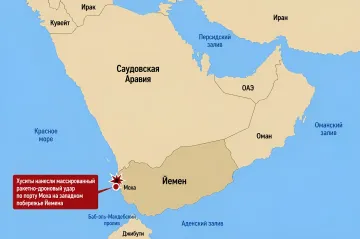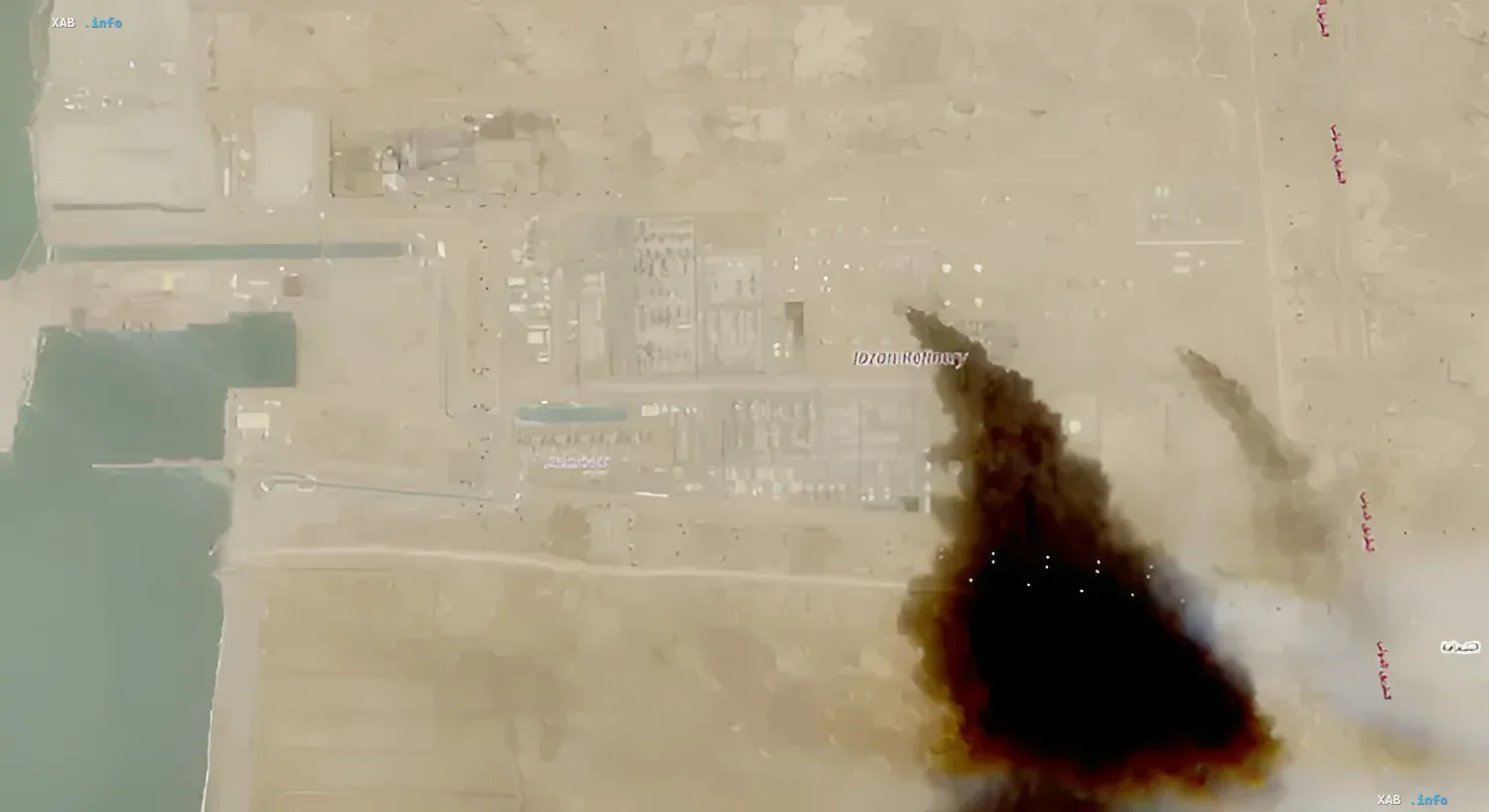
In the night of August 9, 2026, an incident occurred in southern Saudi Arabia, marking another escalation of tensions on the border with Yemen. Houthi rebels, who control a significant portion of Yemen's territory, claimed to have successfully attacked an industrial facility in the Jizan province using unmanned aerial vehicles (UAVs). According to them, the strike was carried out as a retaliatory measure against recent Saudi air raids on the Yemeni provinces of Saada and Hajjah.
Target of the Attack: Strategic Saudi Aramco Facility
The target of the strike was an oil refinery belonging to Saudi Aramco, located in the city of Jizan. This facility is one of the key nodes of the kingdom's energy infrastructure, capable of refining up to 400,000 barrels of crude oil per day. The plant's products, including gasoline and diesel fuel, are critical for both the domestic Saudi market and exports. An attack on an object of such scale demonstrates the Houthis' ability to strike strategically important targets deep within enemy territory.
Official Response and Aftermath
The Saudi Ministry of Energy responded promptly to the incident, confirming the fact of a fire at the facility. In a statement, the ministry reported that the fire broke out early in the morning, but by the time the news was published, the fire had been completely extinguished. Security services and fire brigades worked to minimize damage to prevent possible environmental disasters and disruptions in energy supplies. Despite the successful extinguishing, the incident once again raised questions about the security of the region's energy infrastructure.
Context of Escalation: Series of Attacks in July 2026
This incident is not an isolated event. As early as July 26, 2026, the Houthis carried out a similar attack on Saudi Aramco oil facilities in the cities of Jizan and Yanbu. These actions were part of an ongoing campaign aimed at destabilizing the Saudi economy and drawing the attention of the international community to the situation in Yemen. Repeated strikes on energy facilities indicate that the conflict has entered a phase where economic infrastructure has become the primary target.
Contradictory Data
While the Houthis claim that the attack was successful and caused significant damage, official Saudi sources emphasize that the fire was quickly contained and production was likely not halted for long. Differences in damage assessments and the scale of the attack create room for speculation. On one hand, the Houthis seek to demonstrate their power and ability to strike protected facilities. On the other hand, Saudi authorities are interested in minimizing panic and maintaining investor confidence in the kingdom's energy sector.
Consequences for Regional Security
The attack on the refinery in Jizan highlights the vulnerability of Saudi Arabia's border regions. Located near the border with Yemen, Jizan is becoming a high-risk zone. Experts note that such incidents could lead to further tightening of security measures and an increase in military presence in the region. Furthermore, this threatens the stability of oil supplies to global markets, which could affect global energy prices.