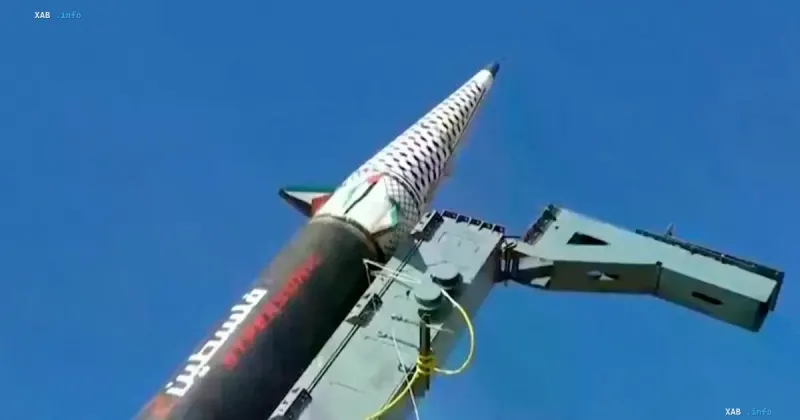
The Ansar Allah armed movement, better known as the Houthis, which controls a significant portion of Yemen's territory, is actively taking large-scale steps to expand its missile arsenal. Amid the ongoing escalation of the Middle East conflict and regular attacks on commercial vessels and strategic assets in the region, the group is transitioning from directly receiving Iranian weaponry to establishing its own production facilities.
Transition to Domestic Production Bases
According to international intelligence sources, Houthi forces in Yemen are seeking to establish full-scale production lines for medium-range ballistic missiles in the territories under their control. A key feature of this new military-technical program is a plan to extensively utilize high-tech electronic components, modern optical systems, and parts manufactured in the People's Republic of China for assembly into ready missile systems. This would allow the insurgent forces to significantly increase the overall accuracy, strike range, and destructive power of their attacks.
Sanctions Evasion and Underground Supply Chains
To successfully implement such an ambitious plan, Ansar Allah is utilizing branched underground supply chains and a network of front companies. This strategy is designed to effectively circumvent existing international sanctions and a strict arms embargo on the conflict zone. While Yemeni insurgents previously relied entirely on direct military-technical support from Iran and pre-assembled ready components, the introduction of civilian and dual-use parts aims to radically reduce dependence on a single external player and lower the cost of mass-producing missiles.
Contradictory Data
Within the expert community and among analysts, serious doubts persist regarding the true scale and capabilities of the Houthis' local military-industrial complex. It is traditionally believed that all missiles at the movement's disposal were supplied by Iran, so the armed group's loud claims about deploying independent domestic production are viewed with skepticism by foreign observers. At the same time, Western intelligence agencies are recording growing imports of dual-use electronics through intermediary networks.
Implications for Regional Security
This technological shift and the insurgents' drive to master medium-range missile production are causing deep concern in Western and regional defense circles. The acquisition of components capable of improving guidance enables the Houthis to carry out more coordinated and dangerous attacks on distant targets in the Red Sea and coalition infrastructure, successfully bypassing existing missile defense systems. In response, international monitoring agencies are strengthening surveillance over maritime and air routes.