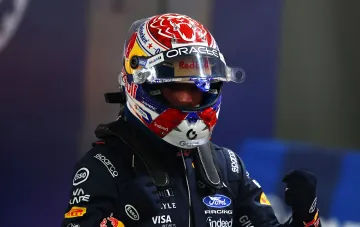
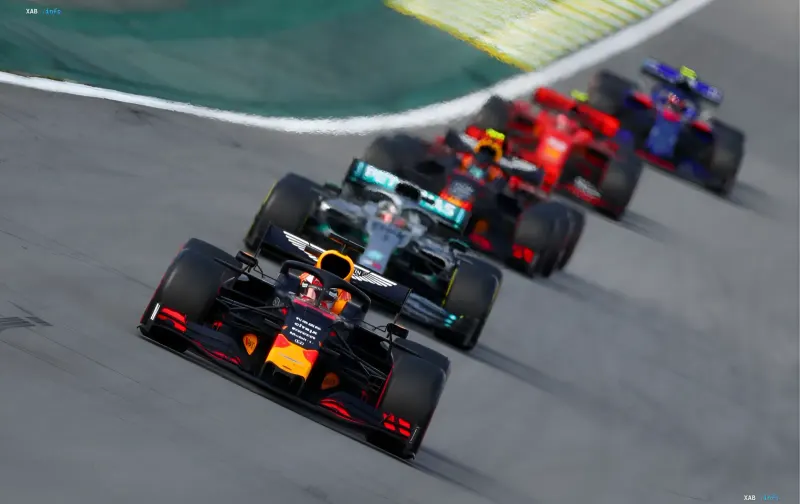
An ordinary seven-second pit stop by the McLaren team at the 2001 Spanish Grand Prix unexpectedly triggered a massive revolution in healthcare. Watching the broadcast of the race prompted pediatric medical professionals to fundamentally reconsider traditional approaches to organizing surgical procedures, transporting newborns, and managing emergency care departments.
Adopted Experience and Initial Results
After observing the lightning-fast wheel changes and car refuelling, specialists from London's renowned Great Ormond Street Hospital (GOSH) reached out to engineers from the Ferrari team. Having studied the clear and synchronized division of roles in the racing garage, surgeons introduced mandatory checklists into their practice, standardized the patient handover procedure from the operating room to the intensive care unit, and conducted a series of regular drills. The results proved striking: an in-depth study showed that the motorsport-borrowed approach significantly reduced the number of technical errors, instances of critical patient information loss, and overall transfer times to intensive care.
Adapting Technologies in Other Clinics
Over time, the advanced expertise of premier racing was adopted by other medical institutions worldwide. For instance, the Williams team joined forces with the University Hospital of Wales to streamline the highly complex resuscitation process for newborn patients. Through meticulous video analysis of medical staff actions, they successfully eliminated chaos in operating blocks, optimally positioned vital equipment, and strictly assigned personal responsibilities to each specialist.
Innovative Equipment to Save Lives
The collaboration between motorsport and medicine extended far beyond purely organizational aspects. Formula 1 engineers designed and built a special carbon fiber protective capsule called Babypod, intended for the safest possible transport of infants in ambulances. The structure is capable of withstanding colossal g-forces of up to 20G in the event of a road traffic accident. Furthermore, advanced racing pit stop technologies found application in air ambulance services, reducing the operational preparation time of medical helicopters for takeoff from five to three and a half minutes.
The Significance of Sports and Healthcare Synergy
The introduction of Formula 1 methods into clinical practice clearly demonstrated how strict discipline, precise timing of every action, and flawless team coordination from the world of grand prix racing can successfully save human lives in critical situations. Hospital experiences confirm that transferring engineering and organizational solutions from motorsport to medicine has ceased to be an experiment and has become an effective global standard for patient safety.