Various units of the Armed Forces of Ukraine have developed their own rituals for welcoming newcomers — ranging from firing a weapon for the first time to the ceremonial presentation of a chevron. According to researchers, these traditions serve as a form of "combat baptism": a person stops being an outsider and becomes part of a brotherhood, adopting the rules, symbols, and memory of their unit. Kateryna Gurnevych, head of the "Vytoky" project of the Zagoriy Foundation, explained how these rituals are structured and why they matter, drawing on materials from the digital publication "Putivnyk militarnymy tradytsiyamy" (Guide to Military Traditions).
First Shot and Soot: Initiation into Artillery
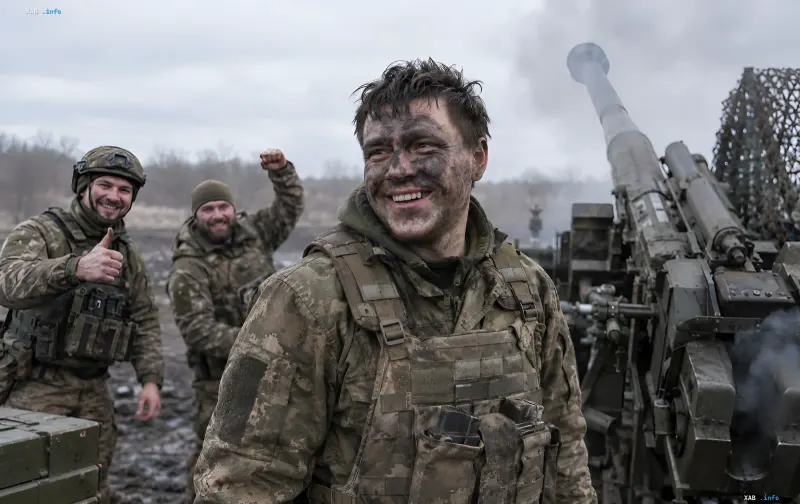
One of the most striking examples is the artillery initiation ritual in the 26th Artillery Brigade. It is experienced by both cadets and fighters already on the frontline. The ritual begins with the very first shot from the gun. Afterward, fellow soldiers smear soot on the novice's face — a symbol of combat baptism — and formally welcome them into the crew. "To outsiders, this might seem like a simple ritual, but for artillerymen, it is the moment when a person truly becomes part of the brotherhood, and the ritual connects generations of artillerymen," Gurnevych explains. Thus, the initiation marks a transition: the soldier assumes the community's obligations and joins its historical chain.
"Combat Hornet": The Path to the Chevron in the 116th Brigade
Gurnevych described another tradition using the 116th Territorial Defense Brigade as an example. The Cossack initiation originated in 2022 in one of the battalions and later spread throughout the brigade. After completing training and adaptation, new recruits are awarded the "Combat Hornet" chevron. "It is awarded only to those who have gone through the entire journey and proven their readiness to serve in the ranks," the project head emphasizes. Receiving this insignia is not a formality, but a public recognition: the unit confirms that the person has passed the probationary period and earned their place in the ranks.
Flags and Symbols: Connection to History
Military symbolism also serves as a bridge between modern units and history. The flag of the 72nd Black Zaporozhians Brigade, for instance, inherits the flag of the Black Zaporozhians Cavalry Regiment of the UNR Army. It was created in 2018–2019 by volunteers from the "Nove Viysko" project. The black cloth features the "Adam's head" and crossed Cossack sabers, while the reverse side bears the motto "Ukraine or Death." The flag's ribbons list the names of Amvrosiivka, Volnovakha, Avdiivka, and Svitlodarsk — toponyms recording the brigade's modern combat history. According to researchers' observations, inherited imagery acquires new meanings precisely thanks to the soldiers themselves, who imbue it with personal experience.
Humor as the Language of Tradition
An equally telling example is the unofficial sleeve insignia of the 2nd Battalion of the 28th Knights of the Winter Campaign Brigade, dated 2023. It depicts a white hare with bloody teeth holding a balloon bearing the Iron Cross "For the Winter Campaign and Battles." "The joke here does not devalue the tradition, but translates it into a language understandable to the fighters themselves," Gurnevych comments. Such elements show that military culture is not limited to a strict hierarchy of insignia: it includes ironic slang, memes, and visual jokes that strengthen group identity from within.
"Putivnyk militarnymy tradytsiyamy": How the Guide Was Created
All the described rituals and symbols are gathered in the free digital publication "Putivnyk militarnymy tradytsiyamy," prepared by the "Halt" and "Vytoky" projects. Thirty experts worked on the guide — historians, ethnographers, anthropologists, and individuals with military experience. About 30 modern AFU units shared their traditions and explained their significance. The publication's partners include the "Lokalna Istoriya" project, the D3 TEAM militarist society, and the National Museum of the History of Ukraine in the Second World War. The authors plan to expand the guide: a form is placed at the end of the publication through which military personnel can share traditions that did not make it into the first version. Separately, "Halt" and "Vytoky" prepared a practical guide on introducing traditions in modern units.
As Gurnevych notes, military customs are not only inherited from the past — a significant portion of them emerge during the current war, spread among people, and quickly become part of the daily life of units. That is why documenting and comprehending these practices, according to researchers, matters not only for the military themselves, but also for the future understanding of Ukrainian military culture.