With consistent cold weather approaching, private homeowners in Ukraine must check the condition of their housing and heating systems in advance. The Ministry of Communities, Territories and Infrastructure Development of Ukraine has published a list of recommendations on preparing homes for winter and potential electricity or gas outages. The key idea is not to wait for the first frosts, but to conduct a consistent home diagnostic and plan a backup heating scenario in advance.
Diagnostics: Where to Begin Preparation
According to the department's recommendations, preparation should start with diagnostics. First of all, it is necessary to determine the material of the walls, what and how the house is insulated, and the condition of pipe passages through structural elements. This is a baseline stage upon which further insulation and repair decisions depend.
Roof, Basement, and Seals
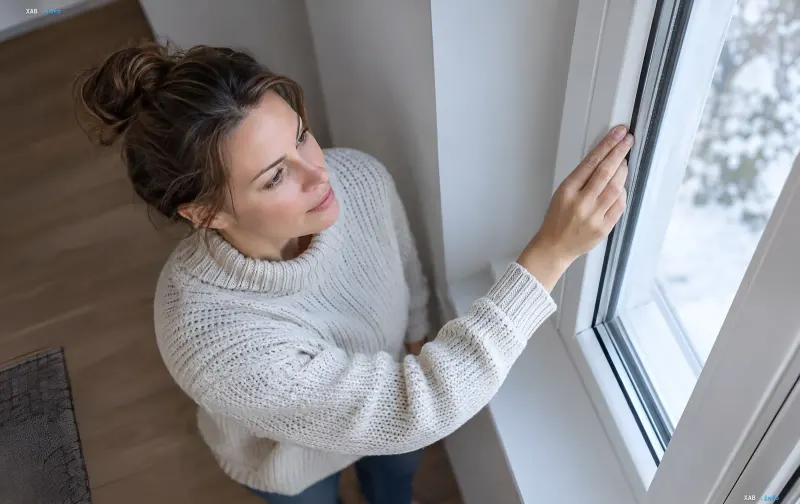
Special attention should be paid to the roof and basement: check for leaks, coating damage, damp insulation, and gutter issues. It is also necessary to inspect seals, thresholds, and gaps around windows and doors, including places where pipes pass through walls, and make sure the heating system is operating properly.
How Long a House Retains Heat Without Heating
The rate at which a house cools down depends on insulation quality, wall material, window condition, ventilation, humidity, area, and outdoor temperature. According to approximate indicators, a house with gaps, unreliable insulation, and old windows can noticeably cool down within just a few hours. In a moderately insulated house, losing one degree happens noticeably faster, whereas in a well-insulated house, a one-degree drop takes approximately 8–9 hours. An energy-efficient house can remain habitable for much longer even without heating.
Backup Heating: A Plan for Outages
Homeowners are advised to determine in advance what will heat the home if electricity or gas is temporarily cut off or the main heating system stops working. Depending on the heating type, this could be backup boiler power, an alternative heat source, or a reserve of fuel or firewood.
When It Is Mandatory to Call a Specialist
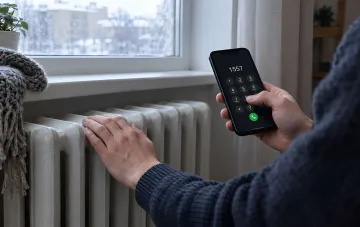
Some work is best not done independently. Contacting a specialist is recommended if the boiler works unstably, system pressure drops for no reason, or the chimney has not been checked for a long time. Master assistance is also needed if there is a smell of gas, smoke, or burning, if outlets heat up, automatic circuit breakers trip, or moisture, condensation, or mold appears. Additionally, a specialist should be engaged for complex insulation, ventilation, or recuperation work—a system that renews air in the house and reduces heat loss.
The ministry emphasizes that mistakes during such work can lead to fire, carbon monoxide poisoning, frozen pipes, or humidity issues. Therefore, if you are not sure about equipment operability or work safety, it is better to consult a specialist.