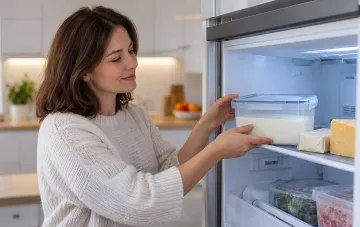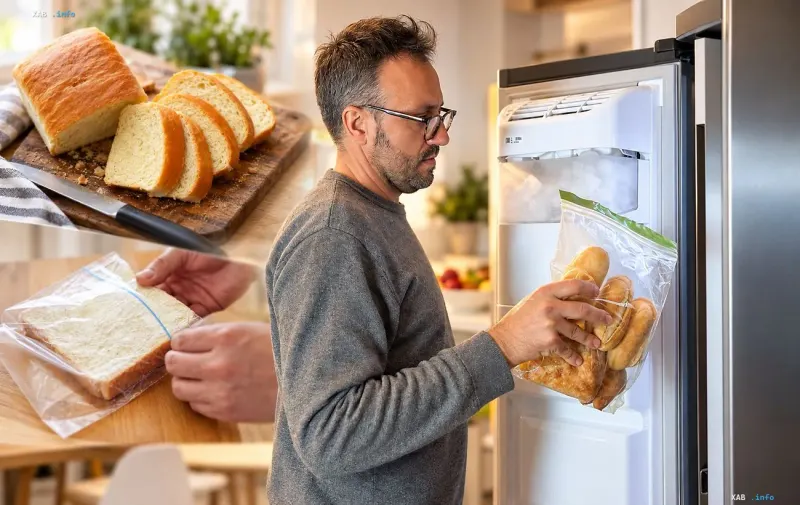
Bread can be stored in the freezer for up to three months without significant loss of quality if proper packaging and temperature conditions are met. Correct freezing slows down the process of starch structure changes and moisture loss, allowing baked goods to retain their taste and softness. According to regulatory recommendations, this method helps effectively reduce food waste.
Specifics of Freezing Various Types of Bread
Almost any bakery products can be frozen: rye, white, whole-grain, and toast bread, as well as baguettes and daily rolls. Baking industry experts recommend freezing exclusively fresh products. If the pastry has already gone stale, low temperature will not be able to restore its original softness and texture.
For long-term storage of an entire loaf, it is important to ensure tight packaging that protects against air penetration. The most practical solution for home use is pre-slicing the bread into portioned slices followed by placing them in airtight bags, which allows taking out the required amount of product as needed.
Methods for Proper Thawing of Baked Goods
The choice of thawing method depends on what texture is required and how quickly the finished product is needed. Standard thawing at room temperature in a closed package takes from twenty minutes for a single slice to several hours for an entire loaf. For a quick crispy breakfast, frozen slices can be placed directly into the toaster.
Baguettes and crusted loaves are conveniently reheated in the oven at a temperature of about 175 degrees for five to ten minutes. When using a microwave oven for quick thawing of a couple of slices, short intervals of ten to fifteen seconds should be used to avoid drying out the crumb.
Safety Requirements and Common Mistakes
The main safety rule when storing bakery products remains the categorical prohibition against freezing products with signs of mold. Fungus spores can penetrate deep into the porous structure of the pastry, so contaminated bread must be disposed of immediately.
Maintaining a temperature regime of minus eighteen degrees or lower guarantees the preservation of consumer properties throughout the entire three-month period. This approach ensures a constant supply of fresh bread at home and minimizes the need for frequent trips to stores.
Practical Significance of Home Bread Freezing
The method of freezing bakery products is a reliable way to organize domestic life, combining time saving with rational food consumption. Understanding the principles of proper preparation, freezing, and subsequent reheating helps maintain high-quality nutrition in any conditions without losing the taste properties of the pastry.