Pillows require regular cleaning even if you systematically change your pillowcases. However, before putting an item into the washing machine, it is necessary to carefully examine the label and determine the type of filler: a standard wash cycle is far from suitable for every product. Styler, a publication part of the RBC-Ukraine media project, has gathered recommendations from leading bedding manufacturers and cleaning experts who explain how to safely treat stains, wash a pillow, and dry it correctly without damaging the filler.
The Label Is Your First and Main Guide
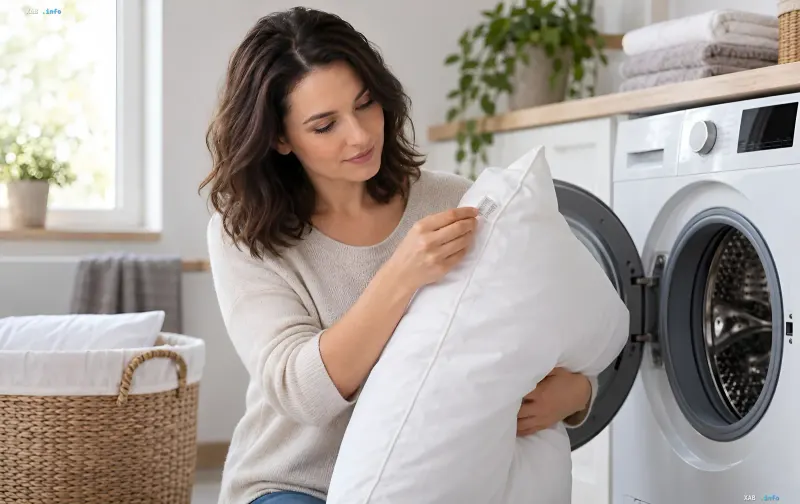
Before any wash, you should check the product's labeling: the label indicates permitted modes, water temperature, and drying methods. It is important to understand that recommendations intended for a removable cover do not apply to the pillow itself. Many models with down, feathers, or synthetic fibers allow machine washing, but if the label is lost, specialists advise looking up instructions by the model name on the manufacturer's official website. For memory foam products, the situation is fundamentally different: Tempur-Pedic explicitly prohibits machine washing its material due to its high sensitivity to liquids. In such cases, only hand cleaning of the removable cover is permissible in accordance with its specified conditions, and hand soaking is not a universal alternative to machine washing.
Pre-Treating Stains: What You Can and Cannot Do
For localized stain treatment, Casper recommends applying a small amount of laundry detergent directly to the affected area, choosing a composition compatible with both the fabric and the filler. At the same time, experts warn against trying to boost the effect with extremely hot water, as it can set certain types of stains. Whirlpool emphasizes that the cleaning method depends on the type of stain, and fresh marks are generally much easier to remove than old ones. The choice of detergent deserves special attention: chlorine-containing formulas used by some users for bleaching damage fabric fibers and can trigger allergic reactions, making mild specialized products preferable for delicate fillers.
Machine Washing: Modes and Products for Down and Feathers
For products where machine washing is permitted, there is a clear sequence of actions. For down and feather pillows, the brand Soak&Sleep recommends using a delicate laundry detergent or a specialized composition for this type of filler, having previously checked the packaging for a down-and-feather suitability mark. The "delicate wash" mode with mandatory extra rinsing is considered optimal to completely wash out detergent residues from the fibers. The drum load should not be excessive: the pillow needs room to rotate freely, otherwise the filler will clump together and lose its shape.
Drying — The Stage That Determines the Result
The drying method should also be checked on the label. If tumble drying is permitted, you must use the recommended setting and special dryer balls that help fluff up the filler and prevent clumping. Simply Maid draws attention to an important nuance: a dry pillow surface does not mean the filler inside is dry. Therefore, you should periodically stop the cycle, take out the item, and carefully smooth out any clumps. If the instructions allow air drying, it is recommended to lay the pillow flat on a drying rack in the shade with good air circulation, periodically turning it over and fluffing the filler. The pillowcase should only be put on after the item is completely dry, including the inside.
When It's Time to Replace Your Pillow
Even with compliance with all washing and drying rules, not every product retains its properties. If an unpleasant odor remains after a full cleaning and drying cycle, or if the filler fails to regain its former shape, experts advise considering a replacement. Regular and proper washing extends the lifespan of the pillow and maintains the hygiene of the sleeping place, yet it cannot compensate for the natural wear and tear of the filler.