Over time, even high-quality towels lose their softness, become stiff, absorb water poorly, or develop an unpleasant odor. As noted by the lifestyle project Styler (RBC-Ukraine), in most cases the cause is not that the fabric has completely deteriorated, but rather the buildup of detergent and fabric softener residue right inside the fibers. This is precisely what allows you to give old towels a second life without buying new ones, using simple household remedies.
Why Towels Become Stiff
One of the most common causes of lost softness is an excessive amount of detergent: its residue gradually accumulates between the fabric fibers, making the towel less pleasant to the touch. Fabric softener also has an unexpected effect — it does make the fabric feel softer, but it forms a coating on the surface of the fibers that, over time, reduces the towel's ability to absorb water. Therefore, the first rule for towels that have lost their properties is not to use too much laundry detergent and not to overuse fabric softener.
White Vinegar Instead of Fabric Softener
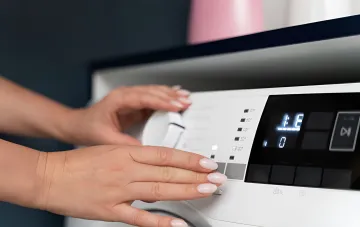
One simple way to refresh old towels is to wash them with white vinegar instead of fabric softener. Place the towels in the drum, add the usual amount of detergent, and pour about 100–150 ml of white vinegar into the softener compartment. Select the temperature according to the label's recommendations. Vinegar helps remove some of the mineral and soap deposits that accumulate on the fabric, after which the towels should be dried thoroughly. It is important not to mix vinegar with bleach or other harsh agents, and if the manufacturer has specific care instructions, follow them exactly.
Baking Soda for Deep Cleaning
If the towels have not been refreshed in a long time, you can try another option — baking soda. Place the towels in the machine, add the usual amount of detergent and about 2–3 tablespoons of soda, then start a regular wash cycle, selecting the highest temperature allowed for the fabric. Do not add large amounts of both soda and vinegar to the machine at the same time: for this kind of cleaning, it is better to use them separately, in different cycles. After washing, do not leave the towels in the drum for too long — damp textiles quickly develop a musty smell, so it is best to hang them up immediately.
Proper Drying and Dosage
Before drying, the towel should be shaken out well — this helps straighten out the fibers that became tangled during washing. If you have a tumble dryer, a short drying cycle on the appropriate setting can make terry towels significantly fluffier, whereas constant over-drying on a very hot radiator, on the contrary, makes the fabric stiff. Even the best cleaning method will not yield results if the drum is constantly overfilled: towels need space for water and detergent to pass through the fabric properly. Therefore, it is better to wash old towels not in huge piles, but leaving enough free space in the drum, and occasionally wash them without fabric softener.
A Second Life for Old Towels
If, after all these procedures, an old towel still remains stiff, thin, or has lost its ability to absorb water well, its fibers may have physically worn out. In such a case, there is no need to throw the item away immediately: old towels can be turned into reusable cloths for the kitchen, cleaning, or washing windows, and they will remain useful in the household for a long time.