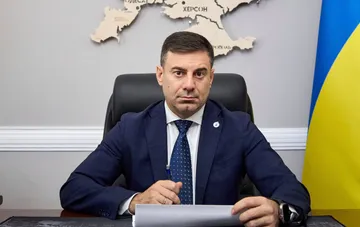
Verkhovna Rada Commissioner for Human Rights Dmytro Lubinets stated that effectively solving mobilization problems in Ukraine requires total process transparency and inevitable punishment for violations. According to him, restoring lost public trust is a difficult task, but it can be achieved through systemic changes and strict control over the actions of authorized officials.
Digitalization and Mandatory Video Control
The ombudsman named the implementation of digital tools and comprehensive video surveillance as the main safeguards against abuse. Every territorial recruitment center employee in notification groups must work exclusively with an active body camera, and office premises must be equipped with continuous video monitoring systems.
According to the proposed logic, if a body camera turns out to be turned off during a conflict situation, the system should automatically operate under the presumption of guilt of the employee. Such an approach eliminates the possibility of hushing up incidents and protects citizens' rights during mobilization measures.
Police Participation and Legal Order
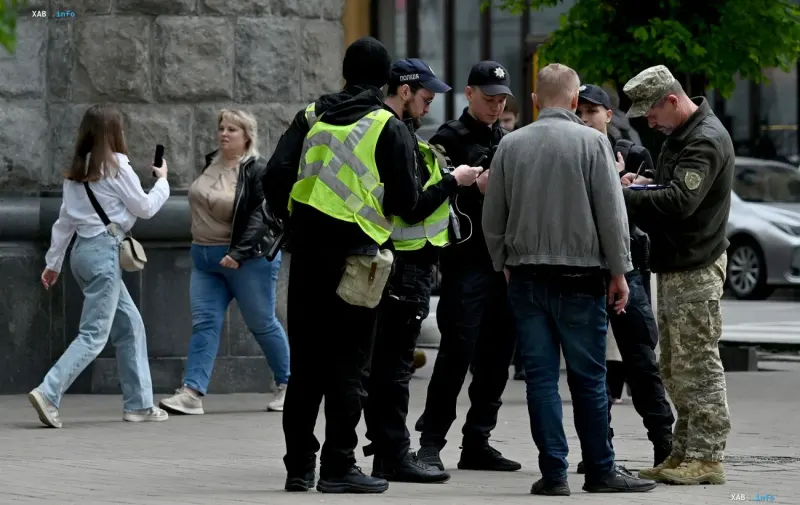
Lubinets called the mandatory presence of National Police officers in the groups an important element of reforming the notification process. Law enforcement officers must promptly respond to any violations of the law by both involved parties — both civilians and military representatives.
The Ukrainian authorities continue to work on improving the legislative framework in this area. In particular, the Cabinet of Ministers plans to approve updated rules for reserving citizens from conscription in the near future to streamline the process.
Significance and Prospects of Reforms
The measures proposed by the ombudsman are designed to minimize corruption risks and restore public trust in state institutions under martial law. The overall effectiveness of the mobilization campaign and social stability in the country depend on the successful implementation of transparent control mechanisms and fair reservation.