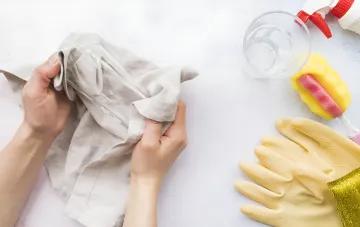

During autumn and winter, outerwear faces severe tests due to rain, snow, mud, and high humidity. Timely and high-quality care helps extend the lifespan of your favorite items, but the cleaning approach directly depends on the material, filling type, and design features of a specific model. Before starting any water procedures, experts strongly recommend carefully studying the manufacturer's label.
Examining the Label and Preparing for Washing
The product label always indicates key parameters: whether machine washing is allowed, the recommended temperature regime, and restrictions on bleach and dryers. Specialists from the British dry cleaners Abingdon Dry Cleaners emphasize that there is no universal method for all types of jackets. Bulky winter models should never be thrown into the drum along with everyday laundry — it is important to follow the washing machine load limits so that the item washes and rinses thoroughly.
Choosing Detergents and Temperature Regimes
If the label allows machine washing, you should choose exclusively a delicate cycle and cool water. Steamery co-founder Frej Lewenhaupt advises using mild liquid detergents and completely abandoning fabric softeners, which destroy water-repellent coatings. For down jackets, it is critically vital to use specialized down-washing products, as regular powders rinse out poorly, accumulate inside the filling, and cause it to clump.
Drying Rules and Fighting Clumps
The drying stage is no less important than the washing itself. It is strictly forbidden to try to speed up the process using radiators or high temperatures that can ruin the fabric. If machine drying is permitted, use a delicate cycle at low temperatures, adding special dryer balls or clean tennis balls to the drum to break up clumps. For natural drying, items are laid out on a horizontal surface in a well-ventilated room, periodically fluffing the filling.
Contradictory Data
In the expert community, there are certain discrepancies regarding the frequency of care and local cleaning of outerwear. Some specialists insist that a jacket should be washed as rarely as possible, using local sprays and sponges to remove minor stains. At the same time, some textile care masters recommend full washing after every serious contact with reagents and road dust in megacities, arguing that ingrained dirt destroys fibers faster than careful water care.