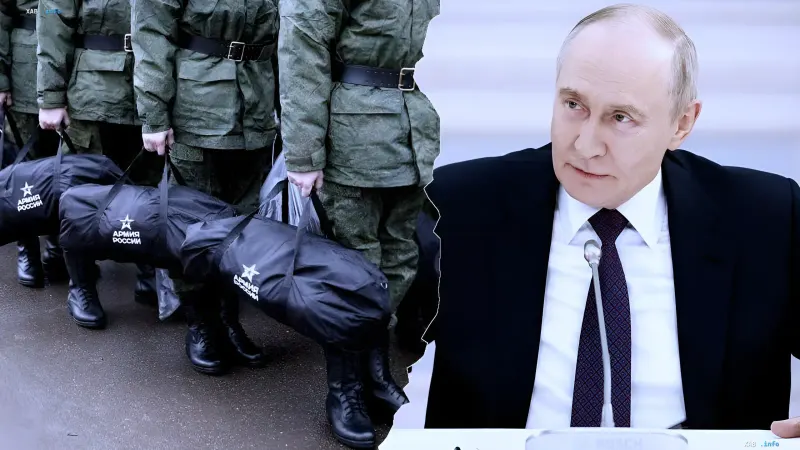
Kremlin Rejects Official Mobilization, But Not the War
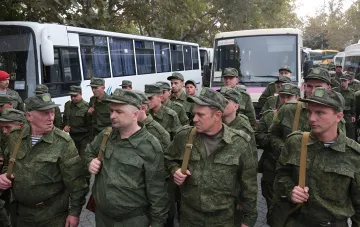
British newspaper The Guardian, citing high-ranking sources in Moscow and Western intelligence, reports on a key decision by the Russian leadership: in 2026, Vladimir Putin does not intend to announce a new wave of official mobilization. The Kremlin continues to insist that the army will be replenished exclusively through volunteer contractors. However, behind the facade of "voluntariness" lies a harsh reality that human rights defenders and experts are already calling a "human hunt".
The publication confirms that Moscow seeks to avoid repeating the 2022 scenario, when partial mobilization led to a drop in the government's ratings and a mass exodus of the population. Nevertheless, the absence of an official decree does not mean the cessation of coercion. On the contrary, recruitment methods have become more sophisticated and aggressive, shifting responsibility from the federal center to regional authorities.
The Cost of "Meat Attacks" and the Shortage of Manpower
The reasons for rejecting official mobilization are obvious: political risks and a demographic pit. According to closed polls, the share of Russians who believe the war is developing successfully has reached a historic low since the spring of 2022. Repeated forced conscription could become a catalyst for an internal social explosion.
However, the situation on the front dictates its own conditions. The tactic of attrition against the enemy, known as "meat attacks," leads to colossal losses. The average monthly losses of the Russian Armed Forces (killed and wounded) consistently exceed 30,000 people. To cover these losses and create offensive reserves, the Ministry of Defense has set a draconian plan for the regions for 2026 — to recruit 409,000 contractors. Current recruitment rates of 1,000 people a day barely allow for closing gaps in the front line, but do not allow for active offensive operations.
"Human Hunt": Hidden Methods of Coercion
To fulfill the recruitment plan without announcing mobilization, the methods of military commissariats have sharply tightened. Human rights organizations, including the "Go to the Forest" project, are recording a sharp rise in aggressive recruitment. Men are detained during street raids, taken directly from their workplaces, and forced to sign contracts under the threat of criminal charges or physical pressure.
Target groups include college students, who are being lured in mass numbers into new UAV operator units, as well as debtors and prisoners. The law allowing the sending of those convicted of serious crimes to the front has become one of the tools for replenishing the ranks. In a number of regions, including Penza, Omsk, and Ulyanovsk, the situation has escalated to the point where local residents have begun creating informal resistance groups against recruiters.
The Paradox of Rumors as a Marketing Move
The most cynical aspect of the new strategy is the use of panic as a recruitment tool. Recruiters on the ground actively use rumors circulating in Telegram chats that "mobilization will begin in the autumn immediately after the September State Duma elections".
The recruiters' message is simple and effective: "Conscription will happen anyway, so sign a contract voluntarily right now while huge bonuses are being paid, otherwise you will be taken for free in a month." Thus, the Kremlin is trying to hold the front line through "hidden coercion," delaying the announcement of an official decree until the last critical moment.
Contradictory Data
There is a clear gap between official rhetoric and reality on the ground. On the one hand, officials, including Dmitry Medvedev, continue to publicly call reports of mobilization a "false provocation," insisting on the voluntary nature of service. On the other hand, data from human rights defenders and Western analysts indicate that voluntariness is a fiction, and recruitment methods are in fact no different from forced conscription, only lacking the corresponding legal formalization.