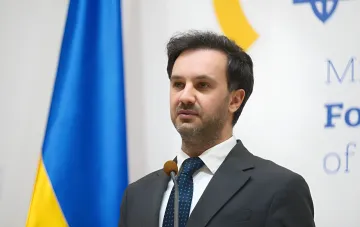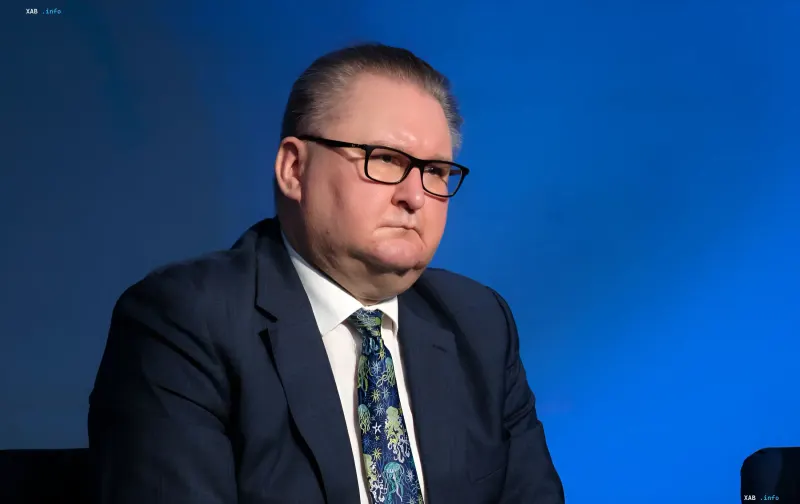
Ukraine has reached the final stage of European Union accession negotiations: out of six negotiation areas, four have been opened, while Budapest has requested additional time to finalize its positions on the final two—environment and energy, as well as agriculture. This was stated by Ukraine's Ambassador to the EU Taras Kachka in an interview with Radio Liberty, as reported by RBC-Ukraine. According to him, Hungary is currently the only country stating that it needs a few more days, and Kyiv hopes the «green light» will be given in the coming days.
What is Happening with the Last Two Clusters
The ambassador confirmed to journalists that it is precisely a matter of the «coming dates»: «It is early November now, so flexibly—in the coming days». Kachka emphasized his hope that «as it was agreed, so it will all be implemented». A reminder of the procedure is important: prior to opening a cluster, a mandatory step is the approval by a member state of the results of checking Ukrainian legislation for compliance with EU norms, and it was at this stage that Hungary twice—on October 20 and 27—refused to approve the final two areas.
Timelines: Kyiv vs. Budapest
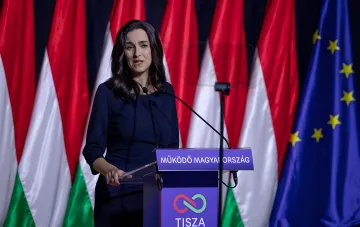
The parties' positions diverge regarding the prospects for accession. Kachka stated that Ukraine intends to conclude negotiations by the end of 2028 and that delays in rule-of-law reforms do not break this plan: «We have the potential to do everything within a single year... it is a matter of a year to a year and a half». As a benchmark, he cited Lithuania and Slovakia, which started negotiations in February 2000, completed them in December 2002, and joined the EU in May 2004 alongside countries that had started almost two years earlier. Hungarian Foreign Minister Anita Orbán, speaking on November 5 during a visit to Vilnius, stated conversely that she does not consider Ukraine's accession to the EU before 2030 realistic, emphasizing commitment to a «merit-based process». Lithuanian Foreign Minister Kęstutis Budrys assessed the situation differently: with rapid reforms in Kyiv and timely completion of stages by the EU, accession before 2030, he said, is «theoretically possible».
How Hungary Lifted the Blockade
Previously, Budapest blocked Ukraine's path to the EU due to grievances concerning the rights of the Hungarian national minority in Transcarpathia. After Ukraine amended its education legislation, Hungary dropped its objections to two clusters, which were opened on October 13. Orbán partially attributed this progress to improving Ukrainian-Hungarian relations and the agreement on protecting the rights of the Hungarian minority in Transcarpathia, noting the opening of four out of six negotiation areas.
What's Next
Deputy Prime Minister for European and Euro-Atlantic Integration Vsevolod Chentsov previously stated that Ukraine will begin the preliminary closure of clusters in 2027, and Kyiv plans to complete the entire negotiation process by the end of 2028. Kachka summarized that to replicate the «Baltic-Slovak» scenario, Ukraine needs to spend less time on internal debates about which norms to implement: «99% of the tasks within EU accession are known... they literally just need to be done».